For wood-to-wood bonding, you want adhesives that deliver clean, strong joints with predictable performance indoors and outdoors. This guide highlights top options suitable for common carpentry and woodworking tasks, including PVA wood glues for clean, easy-to-sand joints, polyurethane construction adhesives for gap filling and exterior use, and fast-setting cyanoacrylate options for quick repairs. The selections below are best for hobbyists and professionals seeking reliable, practical glues that are easy to apply and price-accessible.
The following table provides quick comparisons of the chosen products, including best-use scenarios and typical limitations to consider at a glance.
- Product: Gorilla Wood Glue, 8 oz. — Best for traditional wood joints and interior or exterior projects that require a clean, sandable finish.
- Product: Titebond III Ultimate Wood Glue, 16 oz — Best all-around wood glue with strong water resistance for outdoor use.
- Product: Loctite PL Premium Polyurethane Construction Adhesive, 10 oz — Best for bonding wood to multiple materials and filling larger gaps.
- Product: Franklin International 1412 Titebond-3 Glue, 4 oz — Best portable option for small projects and repairs needing easy handling.
- Product: Gorilla Max Strength Construction Adhesive, 2.5 oz — Best for heavy-duty, gap-filling bonds and underwater-like conditions.
Gorilla Wood Glue, 8 oz
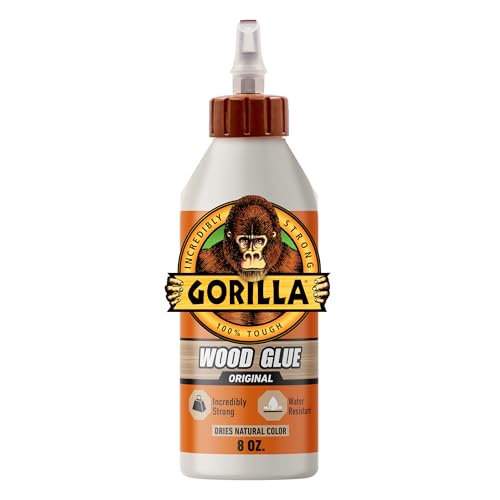
Features: Water resistance suitable for indoor and outdoor projects; passes ANSI/HPVA Type II standards; ideal for hardwoods, softwoods, and natural wood composites. This glue cures with a strong, sandable finish and accepts paint. Best for traditional woodworking joints such as mortise-and-tenon, dowel, and edge glue-ups. Limitation: While water-resistant, prolonged exposure to weather may still require protective finishes for outdoor use.
Best for: Enthusiasts and hobbyists doing bookcases, furniture, or trim where a clean wood-to-wood bond is desired. Why selected: It balances ease of use, workability, and a reliable bond line for everyday woodworking tasks.
Franklin Titebond-3 Glue, 4-Ounce

Features: Tan color; lightweight 4-ounce bottle. Titebond-3 is a proven water-resistant wood glue designed for interior and exterior projects. It offers a balance of open time and cure strength for common workshop tasks. Best for: Small to medium projects where a traditional wood glue is preferred and moisture resistance is important. Limitation: The 4-ounce size is best for smaller jobs; larger projects may benefit from a bigger container for efficiency.
Best for: Quick, clean repairs or small furniture joints where a dependable, sandable bond is needed. Why selected: Titebond-3 is a staple in woodworking for reliable performance and easier cleanup when wet.
Titebond III Ultimate Wood Glue, 16-Ounces

Features: Strong bond stronger than the wood itself; excellent heat resistance; easy to sand; water cleanup while wet. This glue is designed for long-lasting joints in furniture, cabinetry, and outdoor projects where moisture and temperature changes are a concern. Best for: Projects requiring a high-strength, durable bond that resists moisture and heat. Limitation: Requires care to avoid squeeze-out; fully cures with adequate clamping and time.
Best for: Projects where a super-strong wood-to-wood bond is essential and finishing may be required after curing. Why selected: Offers superior performance in demanding environments compared to standard PVA glues.
Loctite PL Premium Polyurethane Construction Adhesive, 10 oz
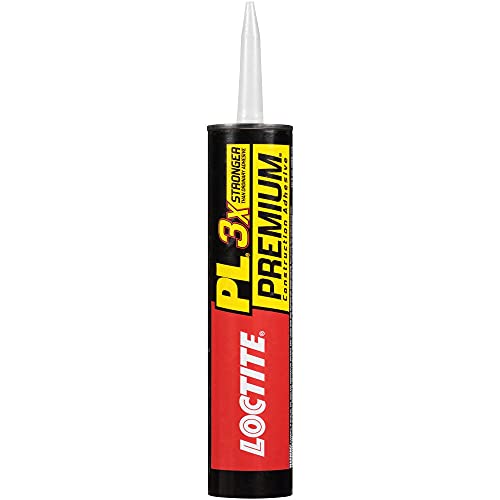
Features: One-component polyurethane adhesive suitable for wood, concrete, stone, metal, and more; 3x stronger than standard construction adhesives; versatile for subfloor installations and bonding diverse substrates. Best for: Mixed-material projects or where gap filling is needed and a strong, durable bond is required. Limitation: Cures with moisture; surface prep and clamping time influence final strength and cure speed.
Best for: Subfloors, framing, or projects that combine wood with other construction materials. Why selected: Its polyurethane chemistry handles larger joints and uneven gaps better than typical wood glues.
Gorilla Max Strength Construction Adhesive, 2.5 oz

Features: Heavier-duty formula; 2x stronger than Gorilla Heavy Duty Construction Adhesive Ultimate; clear finish; waterproof and suitable for indoor or outdoor use. Best for: Heavy-duty repairs, gaps, or projects requiring a robust bond in harsh conditions. Limitation: Slightly stiffer working time; cleanup requires wet cloth while fresh.
Best for: Outdoor furniture, decking repairs, or structural spots where maximum strength is needed. Why selected: Provides a superior bond compared to standard construction adhesives while remaining versatile across materials.
Buying Guide: Wood To Wood Adhesive Considerations
What type of bond do you need?
PVA wood glues are ideal for clean, easy-to-sand joints and interior woodwork. Polyurethane construction adhesives excel at gap filling and outdoor projects or where bonding to non-wood substrates is required. For quick repairs, cyanoacrylate adhesives can offer fast setup, but may not replace longer-term wood-to-wood bonds.
Outdoor vs indoor use
For exterior projects, choose water-resistant or waterproof formulations to withstand moisture. Look for seals like ANSI/HPVA Type II or polyurethane formulations that hold up under humidity and temperature fluctuations. Internal projects can use standard wood glues if moisture exposure is minimal.
Open time and clamp time
Open time is the window to reposition pieces; clamp time is how long you must hold parts together. Shorter open times speed up work but require quick alignment. Longer open times are forgiving for larger assemblies.
Surface and substrate compatibility
Some glues bond well to wood only, while others adhere to metal, concrete, plastic, or stone. If your project involves multiple materials, consider polyurethane or hybrid adhesives that promise broader compatibility.
Finish and sandability
Glued joints should be sandable and paintable if you plan to finish the piece. PVA glues typically finish smoothly; polyurethane glues may require more cleanup and surface preparation.
Storage and handling
Store glues in cool, dry places away from heat. Some formulations require moisture for curing; store them in appropriate conditions to avoid premature gelling. Always follow the manufacturer’s instructions for cleanup and safety.
Practical quick-reference tips
- For clean, visible joints where finish matters, look at PVA wood glues like Gorilla Wood Glue.
- For outdoor projects or when joining wood to other materials, consider Loctite PL Premium or polyurethane options.
- For small on-the-spot repairs, cyanoacrylate options can provide rapid bonding, but aren’t substitutes for longer-term wood joints.
FAQ
- What is the best adhesive for woodworking indoors? – A PVA wood glue such as Gorilla Wood Glue is widely used for indoor woodworking due to clean application and sandability.
- Which adhesive is best for outdoor wood projects? – Polyurethane construction adhesives, like Loctite PL Premium, offer moisture resistance and stronger bonds outdoors.
- Can I use construction adhesive on wood joints? – Yes, for structural or gap-filling needs, but ensure the adhesive is specified for wood and follow cure times and clamping requirements.
- Is waterproof glue necessary for outdoor furniture? – Yes, water resistance is crucial for outdoor items to withstand weather conditions and humidity.
- Do I need to clamp wood glue? – Clamping helps ensure a tight bond and even pressure during cure; check the product’s recommended clamping time.
- Are fast-drying glues suitable for furniture? – Fast-drying glues reduce downtime, but you may want longer open times for precise alignment on large pieces.