White wash finishes provide a soft, rustic look that preserves wood grain while adding a light, airy charm. This guide highlights five top whitewash-style products and explains who each is best for. Whether you’re refinishing bedroom furniture, cabinets, or a vintage chair, you’ll find options that suit different techniques and project goals.
Summary of selected products:
- Varathane 355305 Whitewash Wood Enhancer — versatile, multi-surface; rich color; large coverage
- Minwax Color Wash White Wash Pickling Stain — layering color with depth; easy over stains
- Rust-Oleum Classic White Milk Paint — brushed texture, fast drying, no primer required
- Varathane Less Mess Whitewash Wood Stain & Applicator — two-in-one kit for small projects
- Varathane Premium Fast Dry Antique White Wood Stain — fast-drying interior use, one-coat coverage
Varathane Whitewash Wood Enhancer Review
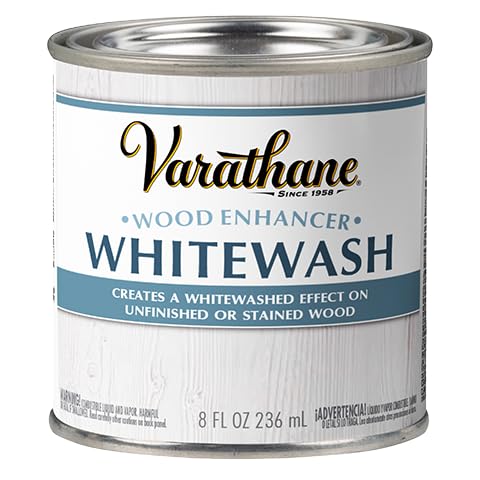
Best for versatile finishes on bare wood or over stain, this whitewash enhancer supports a modern farmhouse or shabby chic look with a rich, even color. It suits furniture, cabinetry, and decorative projects where you want visible grain with a soft white tint. The product is ideal for larger rooms or pieces that require substantial coverage—up to 275 square feet per quart. Use techniques like brushing or wiping to tailor the effect to your style. Caution: test on a hidden area to gauge the level of whiteness before broad application.
Minwax Color Wash White Wash Pickling Stain
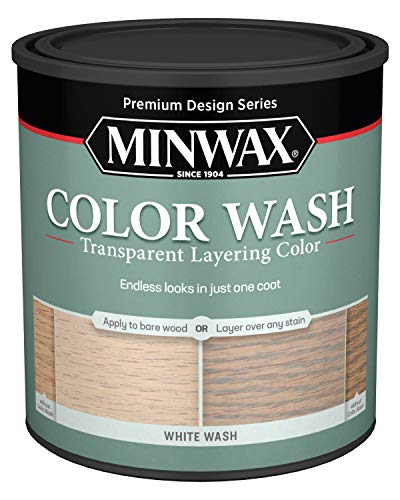
Best for layering age and character on bare or stained wood. This pickling stain can be applied over oil- or water-based finishes with brushes, pads, or rags. It dries in about an hour and allows multiple layers from a single coat. It’s a solid choice when you want subtle depth with the grain still visible. Limitation: the finish relies on application technique to achieve the exact level of whiteness and antiqued look you desire.
Rust-Oleum Milk Paint in White

This chalk-style milk paint creates a distinctive brushed texture that highlights furniture details. It’s water-based with low odor and low VOC, making it suitable for indoor projects. Coverage is substantial per quart, and the product dries quickly, enabling faster project progression. It’s best for projects where a semi-transparent, vintage or weathered look is desired. Caution: buildability means multiple coats may be needed for a solid white background or a more opaque finish.
Varathane Less Mess Whitewash Stain & Applicator

Best for small projects and crafts, this 2-in-1 kit combines stain with an applicator. Its water-based, low-odor formula is easy to use and cleans with soap and water. It enhances natural wood while delivering a controlled whitewash effect without the mess of traditional stains. Choose this for quick, precise results on compact pieces. Limitation: may not deliver deep whiteness on very dark woods without multiple passes.
Varathane Premium Fast Dry Antique White Wood Stain
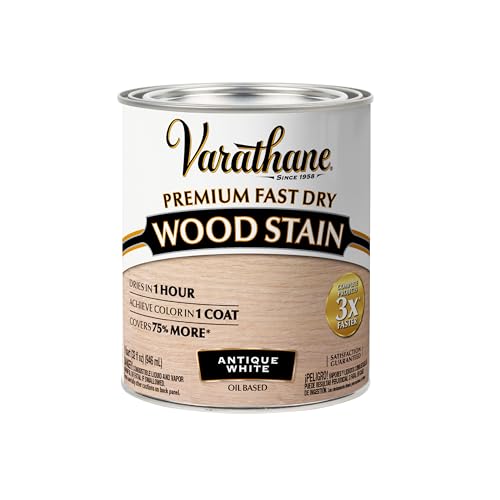
Best for interior wood projects including furniture, cabinets, and trim. It offers one-coat coverage with a fast-drying oil-based formula, allowing a quick workflow. Drying to the touch in about an hour, it can cover up to 275 square feet. This option is well-suited for larger pieces where a solid whitewash with a classic antique vibe is desired. Caution: oil-based formulas require proper ventilation and cleanup with appropriate solvents.
Buying Guide
What to consider when choosing whitewash products:
- Project type: For large furniture or cabinetry, look for high coverage and durable film. For small crafts, a ready-to-use kit or a stain-and-applicator combo can be quicker.
- Desired look: Do you want a subtle wash that preserves grain, or a more opaque whitewash with strong coverage?
- Base compatibility: Some products work over bare wood, others over stains or paints. Check whether you need to prepare the surface with primer or sanding.
- Drying time and odor: Water-based finishes typically dry faster with lower odor, while oil-based options may require longer cure times and ventilation.
- Retention and maintenance: Consider whether you want a finish that’s easy to touch up or recoat, and whether you’ll add a topcoat for protection.
How to plan your whitewash project
1) Test on a hidden area to preview whiteness and grain visibility. 2) Decide whether to wipe, brush, or spray for the desired texture. 3) Work in thin coats, allowing drying time between applications. 4) Finish with a protective topcoat if the piece will see wear or moisture. 5) Match the look to your room’s style, such as modern farmhouse or shabby chic.
Why these picks stand out
The selected products cover a range of finishes from translucent washes to opaque milk paint. They include multi-surface options, quick-dry formulas, and specialty kits that suit different budgets and skill levels. Each option offers practical guidance for achieving a consistent whitewashed appearance while preserving wood character.
FAQ
- What is whitewash wood finish best for? It is ideal for lightening wood while keeping grain visible, creating a soft, vintage, or coastal vibe.
- Do you need primer for whitewash finishes? It depends on the product and substrate. Some can be applied directly to bare wood; others perform best with a prep layer.
- How many coats should I apply for a solid white look? This varies by product; start with a thin coat and add more as needed, allowing full drying between coats.
- Can I apply whitewash over existing paint? Yes, but test compatibility first and consider a light sanding to improve adhesion.
- Is oil-based whitewash better than water-based? Oil-based generally offers longer wear under high-use conditions, but water-based cleans up easily and has lower odor.
- Do I need a topcoat? A protective topcoat is recommended for furniture that will see frequent use or moisture exposure.