Find the right white oak stain colors to highlight grain, match cabinetry, or refresh furniture. This guide focuses on water- and oil-based options that suit interior projects, with clear notes on who each product is best for and any limitations. Ideal for DIYers, professional woodworkers, and homeowners updating living spaces.
| Product | Best For | Notes |
|---|---|---|
| Varathane White Oak Wood Stain | All wood types; quick projects | Water-based, low odor |
| Minwax Color Wash Transparent Layering Color, White Wash | Layering and aging effect | Thin, buildable color |
| Furniture Clinic Wood Stain Natural Oak | Indoor/outdoor mix; fast drying | Water-based, natural matte finish |
| Varathane Less Mess Whitewash Wood Stain & Applicator | Small crafts and projects | Stain + applicator in one |
| Minwax PolyShades Wood Stain + Polyurethane Finish – Classic Oak | One-step stain and finish | Oil-based with polyurethane |
Below are five carefully chosen products that align with white oak aesthetics. Each entry explains who benefits most, why it was selected, and practical considerations to help you decide quickly.
Varathane White Oak Wood Stain

Product highlights: Water-based stain creates rich, even color in one coat on most surfaces. Low odor, low VOC formula with advanced pigments to enhance natural wood beauty. Drying is fast, and additional coats can deepen the color if desired.
Best for: Quick projects on furniture, trim, or panels where a natural oak look is desired without strong odor or long dry times.
Why selected: This option balances ease of use with an oak-leaning color profile, making it a strong starter stain for white oak tones.
Caution: May require additional coats for deeper color on very dark woods or heavily figured grain.
Minwax Color Wash Transparent Layering Color White Wash
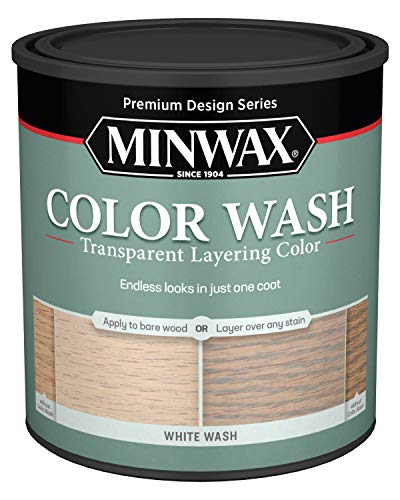
Product highlights: Adds aged character to bare or stained wood and can be applied over oil- or water-based stains with various tools. Dries in about an hour, with the potential for multiple layers to achieve the exact tone you want.
Best for: Achieving a soft, whitewashed effect on white oak or to lighten darker woods for a beachy or cottage feel.
Why selected: Its layering capability gives designers control over translucency, making it versatile for white oak projects seeking subtle tone shifts.
Caution: Because it’s transparent, achieving uniform color may require careful application and even prep.
Furniture Clinic Wood Stain Natural Oak

Product highlights: Water-based stain that dries quickly and provides deep color penetration with even coverage. Available in 12 colors; offers a natural matte finish in about 10 minutes after application. Recommended for both indoor and outdoor wood surfaces.
Best for: Home renovations involving white oak panels, furniture, or cabinetry where a durable, natural look is preferred and quick dry is advantageous.
Why selected: Its fast-drying formula and broad color range make it a flexible choice for achieving white oak tones with minimal waiting time.
Caution: May require sealing or topcoating depending on use case and exposure to elements if used outdoors.
Varathane Less Mess Whitewash Wood Stain & Applicator

Product highlights: A 2-in-1 stain and applicator designed for crafts and small projects. Water-based with a low-odor formula, cleans up easily with soap and water. Emphasizes bringing out natural wood grain without mess.
Best for: Small DIY projects, craft builds, or touch-ups where control and cleanup simplicity are priorities.
Why selected: The integrated applicator and low odor make it convenient for quick white oak accents in tight spaces or hobby workshops.
Caution: Not ideal for large furniture pieces where uniform color across a wide area is required.
Minwax PolyShades Wood Stain + Polyurethane Finish – Classic Oak

Product highlights: Oil-based stain and polyurethane finish in one step. Enhances grain with rich color and long-lasting protection. Works over bare or existing polyurethane; provides satin sheen with a classic oak look.
Best for: Projects requiring color plus durable topcoat in a single step, such as furniture or cabinet updates.
Why selected: The one-step approach saves time when refinishing oak pieces that need both color and protection.
Caution: Oil-based products may have stronger odor and longer cure times; ensure adequate ventilation.
Buying Guide: White Oak Stain Color Considerations
- Finish Type: Water-based stains are low odor and quick-drying, good for indoor use. Oil-based stains tend to deepen grain and offer durable protection but may require longer cure times.
- Opacity and Layering: Translucent washes let the grain show; opaque or layered stains create more uniform color. For white oak, layering products help you control grain visibility.
- Color Destination: Decide between a natural oak look, a whitewashed effect, or a deeper amber. Your choice affects furniture, cabinetry, and paneling alike.
- Application Tools: Brushes, rags, or applicators influence final tone. Some products include applicators for smaller projects.
- Consider whether you need just color or color plus sealant. Some products include polyurethane in one step; others require separate topcoats.
- Low-odor options reduce indoor exposure, particularly for living spaces or bedrooms.
FAQ: White Oak Wood Stain Colors
- What is the easiest white oak stain to use? Water-based stains with simple application and quick drying are typically easiest for beginners.
- Can I achieve a whitewashed look on white oak? Yes, through layering or whitewash products designed to add a pale, translucent color while keeping grain visible.
- Will stain affect the grain of white oak? Stains interact with the grain; translucent stains emphasize grain, while darker, opaque finishes may mask some grain.
- Is a topcoat necessary? For most indoor projects, a protective topcoat is recommended to preserve color and finish, especially in high-traffic areas.
- How many coats should I apply for depth? Starting with one coat and assessing color after drying is common; additional coats deepen tone but may alter readability of grain.
- Which product is best for a quick DIY project? Options with combined stain and applicator or one-step finishes save setup time for small tasks.