Answering the question “which whipping twine works best for rope work,” this guide highlights accessible waxed whipping twine options, their strengths, and common uses. Ideal for boaters, rope workers, crafters, and outdoor enthusiasts, these products balance strength, ease of whipping, and versatility. Below, you’ll find five top picks with clear guidance on who benefits most from each choice.
Summary table of selected products
| Product | Best For | Key Benefit | Diameter |
|---|---|---|---|
| Robline Waxed Whipping Twine – 0.8mm x 40M – Black | General rope whipping | Compact waxed finish for neat work | 0.8 mm |
| Marlow Whipping Twine #8 – 1.1mm White | Fine, precise whipping | Excellent strength, smooth finish | 1.1 mm |
| SGT Knots – Marlow Wax Polyester Whipping Twine #4 – Blue | Rope splices and canvas work | Wax finish, durable, versatile | ~4 |
| Mandala Crafts 1mm Black Waxed Whipping Twine | Crafts and lightweight tying | Heavily waxed, fray-free | 1 mm |
| SGT Knots – Marlow Wax Polyester Whipping Twine #4 – Red | General utility and repairs | Waxed finish for neat whipping | ~4 |
Robline Waxed Whipping Twine – 0.8mm x 40M – Black
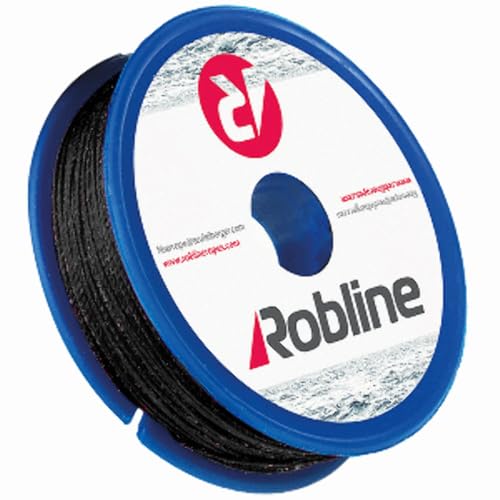
Best for compact, everyday whipping tasks where a discreet, low-profile line is desired. The 0.8mm diameter makes it suitable for smaller rope ends or delicate splices. Waxed finish helps reduce fraying and promotes cleaner wraps, ideal for general repair or craft projects. This pick is well-suited for hobbyists and light-duty rope work.
Who it’s best for: sailors, climbers, and DIYers needing a reliable, easy-to-handle whipping twine with a subtle appearance. Why selected: strong enough for routine whipping, yet fine enough to weave neatly around rope ends. Caution: very tight whipping can break if used on heavy, large-diameter rope or exposed to heavy abrasion over time.
Marlow Whipping Twine #8 – 1.1mm White

Best for precision whipping with solid strength. The 1.1mm diameter provides a balance of flexibility and load-bearing capacity, making it suitable for rope whip work, repairs, sail making, and canvas projects. The polyester wax finish enhances ease of whipping and leaves a polished result, helping knots and bindings stay neat longer.
Who it’s best for: longer rope assemblies and projects requiring clean, durable whipping. Why selected: offers reliable tensile strength and a smoother finish than thinner lines. Caution: may be overkill for tiny rope ends or ultra-fine whipping applications.
SGT Knots – Marlow Wax Polyester Whipping Twine #4 – Blue

Best for versatile, durability-focused projects. The #4 size (approximately 134 ft) provides enough length for multiple whipping tasks without frequent re-threads. The waxed finish improves ease of whipping and yields neat, secure results for rope splices, sail twine, and general utility work.
Who it’s best for: boaters and carpenters needing a dependable, mid-sized whipping twine. Why selected: robust under stress, practical for a wide range of tasks. Caution: the blue color is more visible, which may matter for aesthetics in some applications.
SGT Knots – Marlow Wax Polyester Whipping Twine #4 – Red

Best for projects where visibility matters or where red twine is preferred for labeling and quick identification. The waxed polyester blend provides reliable strength, with a finish designed to aid neat whipping. This option is suitable for repairs, splicing, and craft tasks that benefit from a more conspicuous line.
Who it’s best for: outdoor projects, camping gear repairs, and crafts needing bright color cues. Why selected: consistent waxed finish supports clean whipping. Caution: color may show more wear in sun exposure or harsh weather compared to neutral tones.
SGT Knots – Marlow Wax Polyester Whipping Twine #4 – Black
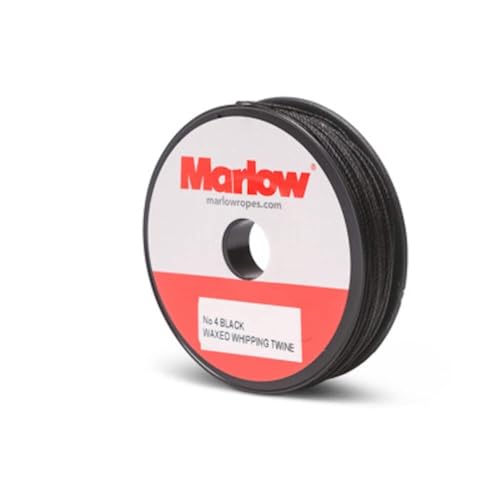
Best for discreet applications or professional rope work where a dark twine is preferred. The black waxed finish provides a clean look for whipped ends while delivering dependable strength. Suitable for rope splices, sail twine, and general utility tasks where a low-visibility line is advantageous.
Who it’s best for: projects requiring a subdued appearance and durable performance. Why selected: consistent wax finish supports neat whipping across multiple uses. Caution: black dye can rub off on lighter fabrics in some conditions.
Buying Guide
- Waxed vs unwaxed: Waxed twine resists fraying, provides smoother whipping, and yields neater results. Unwaxed options may be cheaper but require more care to achieve clean rope ends.
- Diameter and flexibility: Thinner twine (around 0.8–1.1 mm) is ideal for small rope ends and delicate bindings. Heavier diameters (around 4 mm as seen in some options) are better for larger splices and heavier rope work.
- Material: Polyester waxed twine offers good strength, UV resistance, and durability in outdoor settings. Natural fibers can be more pliable but may wear faster in sun and salt environments.
- Length vs. usage: Longer spools save time for multiple whipping tasks. Shorter lengths are fine for single repairs or occasional crafts.
- Color considerations: Colored twine (blue, red, black) helps with labeling and visibility but may show wear differently than natural tones.
- Best practice: Test whipping on scrap rope first to gauge ease of wrapping, knot security, and overall neatness before starting a critical repair.
FAQ
- What is whipping twine used for? It is used to wrap the end of rope to prevent fraying and to secure rope splices, sails, or canopies.
- Which diameter should I choose? For standard rope ends and general repairs, 0.8–1.1 mm is common. For larger splices, consider 4 mm or similar.
- Is waxed twine better than unwaxed? Yes, waxed twine typically yields neater, more durable whipping and resists moisture and fraying better.
- Can I use any color for outdoor use? Color is mainly for visibility and labeling. UV resistance depends on the material—polyester wax tends to hold color well.
- How long should whipping last? A well-done whipping with waxed twine can endure typical outdoor exposure, but heavy abrasion or harsh chemicals may require re-wrapping.
- Are there risks with using whipping twine on marine rope? Choose a marine-grade waxed twine for saltwater exposure to reduce degradation and maintain rope integrity.