A 9-inch drywall texture roller is a practical choice for creating a tree bark pattern on walls and ceilings, covering larger areas, or blending repairs. The LikeLion roller is best for general renovations, Jayen for a resilient foam-rubber pattern surface, ElaraBerry for buyers who want a two-pack, ALL-WALL for guidance on applying drywall mud, and MLZXWXJ for a roller described as washable and suitable for several texturing mediums.
| Product | Best For | Notable Feature |
|---|---|---|
| LikeLion 9-inch roller | Repairs and renovations | Wide head for coverage and control |
| Jayen 9-inch roller | Repeated texturing work | Soft, resilient foam rubber |
| ElaraBerry 2-pack | Having a spare roller | Two rollers with reinforced cores |
| ALL-WALL roller | Matching or covering texture | Includes mud application instructions |
| MLZXWXJ 9-inch roller | DIY and varied materials | Described as washable and reusable |
LikeLion Tree Bark Texture Roller
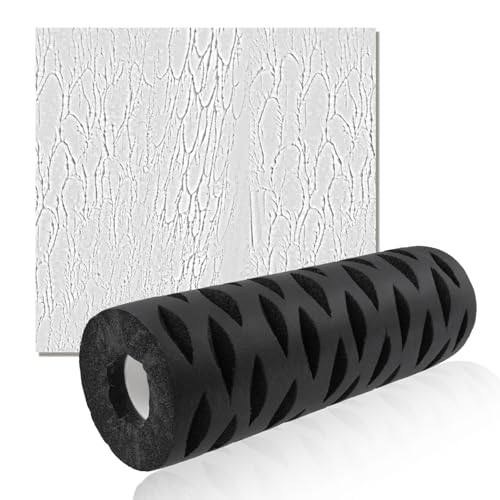
The LikeLion is a 9-inch roller for creating a tree bark pattern on walls and ceilings. Its width is intended to cover larger surfaces efficiently while still allowing control for detailed work. The listed uses include new drywall installations, renovations, repairs, and patch matching.
Best for: Homeowners or contractors seeking one roller for broad texturing tasks and repair work. It was selected for its clear focus on tree bark patterning and its stated range of drywall applications.
Consideration: The product details do not specify material or cleaning instructions, so check the listing for care guidance before use.
Jayen 9-Inch Drywall Pattern Roller

This Jayen roller has a soft, resilient foam-rubber outer layer, which the product description says helps preserve crisp pattern detail during extended use. Its 9-inch width is designed for efficient coverage on walls and ceilings. The listed applications include repairs, touch-ups, renovations, and new construction.
Best for: Buyers who prioritize a resilient patterned surface for recurring drywall projects. It was selected for its combination of a tree bark design, wide head, and stated focus on maintaining pattern detail.
Consideration: The listing does not provide specific instructions for thinning or applying drywall mud, so users may need to determine the right material consistency separately.
ElaraBerry Two-Pack Texture Rollers

ElaraBerry includes two 9-inch tree bark rollers, each described as having a soft foam-rubber outer layer. The product also lists a reinforced core and high-density nylon-blended fabric, intended to resist wear, mud clumping, and roller deformation. These details make the set relevant for projects that require a backup or multiple roller heads.
Best for: Buyers who want two rollers for a larger project or a spare on hand. It was selected for its two-piece quantity and the listed core and material features.
Consideration: A two-pack may be more than needed for a small patch. The product details do not specify frame compatibility.
ALL-WALL Tree Bark Texture Roller

The ALL-WALL roller is designed to use drywall mud to create a raised tree bark pattern. The listing specifically describes matching existing texture or covering damaged areas. Its instructions recommend thinning the mud to a pancake-batter consistency, spreading it with a heavy-nap roller, moistening the texture roller, and rolling over the wet mud. Pressure and pattern direction can be adjusted to change the result.
Best for: Buyers who want application guidance for texture matching or surface repairs. It was selected because its listed instructions address preparation and rolling technique.
Consideration: The described process requires wet mud and some adjustment of pressure; practicing on a test surface is sensible before texturing a wall.
MLZXWXJ 9-Inch Texturing Roller

MLZXWXJ describes its 9-inch roller as suitable for tree bark and crow’s-foot patterns on drywall, interior walls, and ceilings. The listing says it works with joint compound, drywall mud, and texture paint, and describes the material as washable and intended for repeated use. It is also presented as a tool for disguising bumps and flaws during repairs or refinishing.
Best for: DIY users comparing a roller for different texturing mediums. It was selected for its stated material versatility and cleaning information.
Consideration: The listing mentions more than one pattern, so confirm the specific roller pattern shown in the product images if tree bark is essential.
Buying Guide: How To Choose A Tree Bark Texture Roller
What width should you choose?
A 9-inch roller can cover more area per pass than a narrower tool, making it a practical size for walls and ceilings. A wider head may be less convenient around small patches, corners, and tight details. Consider both the size of the surface and the amount of precision the repair needs.
Do you need a roller for drywall mud or paint?
Check which material the product is intended to use. The ALL-WALL listing describes a process using drywall mud, while MLZXWXJ lists joint compound, drywall mud, and texture paint. Follow the selected roller’s directions, and test the material and pattern on scrap board or an inconspicuous area first.
How important are material and quantity?
Foam-rubber rollers are described on the Jayen and ElaraBerry listings as supporting pattern detail. ElaraBerry supplies two rollers and specifies a reinforced core. If only one small repair is planned, a single roller may be sufficient; for repeated projects, quantity and stated durability features may matter more.
How can you get a consistent pattern?
Use an even amount of texturing material and keep the roller pressure steady. For repairs, compare the new texture with the surrounding surface and test whether a symmetrical or random rolling direction blends better. Clean the tool according to its product instructions after use.
Frequently Asked Questions
What is a tree bark texture roller used for?
It creates a raised, bark-like pattern in drywall mud or another compatible texturing medium on walls and ceilings.
Can a tree bark roller help with drywall repairs?
Yes. Several listed rollers are intended for repairs, touch-ups, or matching existing texture. Test the pattern first because the result depends on the surface and application technique.
Should I practice before texturing a wall?
Yes. A test area helps you adjust material consistency, pressure, and rolling direction before applying the pattern to a visible surface.
Are all tree bark rollers compatible with standard roller frames?
Compatibility is not stated for every product in this selection. Check the individual listing for frame details before purchasing.