Whether you’re building a home studio or upgrading your photography gear, translucent diffusion fabrics help you soften light, reduce hotspots, and create wraparound illumination without harsh shadows. This guide highlights five diffusion fabrics that are well-suited for photography lighting, softboxes, light tents, and DIY modifiers. It explains who each product is best for, why it was selected, and practical limitations to consider.
Buyer types at a glance:
– Beginners and hobbyists: affordable, easy-to-use diffusion fabrics that work with common softboxes and tents.
– Studio creators: larger sheets or rolls for custom frames and panels.
– On-the-go shooters: foldable or lightweight options for quick setups.
– DIY mod enthusiasts: fabrics with unfinished edges designed for easy cutting and tailoring.
Summary comparison table (selected products):
| Product | Best For | Notes | Approx. Diffusion |
|---|---|---|---|
| Fotoconic Diffusion Fabric | DIY modifiers, softboxes, tents | White nylon translucent, scissor-cut friendly | About 1.0 f-stop |
| Neewer 2 Yard x 60 Inch Diffusion | Standard softboxes, panels | Non-yellowing white material | About 1.0 f-stop |
| Neewer 1 Yard x 60 Inch Diffusion | Compact setups, travel | Similar diffusion to larger sheets | About 1.0 f-stop |
| Selens Diffusion Fabric | DIY lighting, windows, tents | Unfinished edges, easy to tailor | About 1.0 f-stop |
| FIEWSZIHU Diffusion Fabric | Large panels, DIY frames | 2 x 1.5 meters, cut-to-size | Natural, uniform diffusion |
Fotoconic Diffusion Fabric 1 Yard x 67 Inch

Product: Fotoconic 1 Yard x 67 Inch / 1M x 1.7M Diffusion Fabric. Brand: Fotoconic. Type: Nylon silk white seamless light modifier for photography lighting, softboxes, and tents.
- Best for DIY modifiers: Scissor-cut friendly with unfinished edges for custom shapes.
- Light diffusion: Softens light and reduces reflections and shadows.
- Practical note: Wrinkles recover with hanging; can be ironed. Diffusion roughly 1.0 f-stop.
NEEWER Diffusion Fabric 2 Yard x 60 Inch
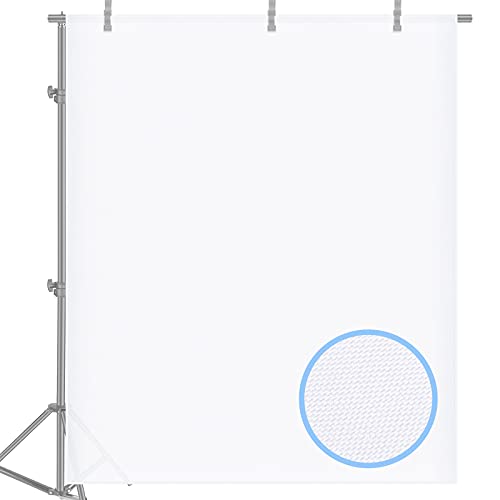
Name: Neewer 2 Yard x 60 Inch/1.8M x 1.5M, Polyester White Seamless Diffusion Fabric. Use: Photography softbox, light tent, and lighting modifiers.
- Best for larger DIY setups: Large sheet supports substantial diffusion for studio lighting.
- Material: Non-yellowing white nylon translucent textile; diffusion about 1.0 f-stop.
- Caveat: Suitable for moderate-sized modifiers; extremely large spaces may require bigger panels.
NEEWER 1 Yard x 60 Inch Diffusion Fabric

Name: Neewer 1 Yard x 60 Inch/0.9M x 1.5M, Polyester White Seamless Diffusion Fabric. Application: Ideal for compact softboxes and light tents.
- Best for travel kits: Compact dimensions fit in small bags for on-location shoots.
- Diffusion: About 1.0 f-stop; material consistency similar to larger Neewer sheet.
- Limitation: Smaller size may require tiling for large panels or taller scenes.
Selens Diffusion Fabric 1 Yard x 67 Inch
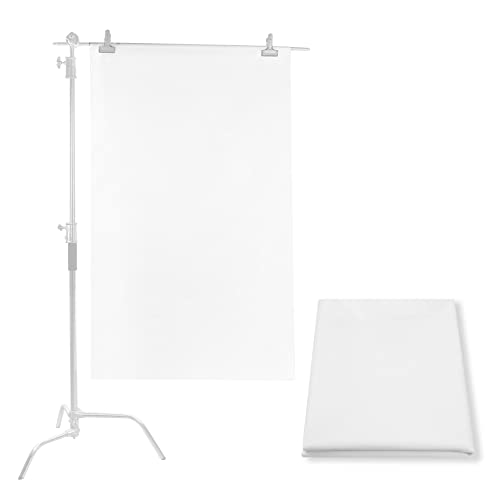
Name: Selens 1 Yard x 67 Inch / 1M x 1.7M, Nylon Silk White Seamless Light Modifier.
- Best for DIY studios: Unfinished edges allow scissor-cut customization for a variety of modifiers.
- Diffusion: White nylon translucent textile, wrinkles recover quickly; iron if needed.
- Limitations: Requires some setup time to hang or secure; similar diffusion to other 1.0 f-stop fabrics.
FIEWSZIHU Diffuser Fabric 78.7 x 59 Inches
Name: Photography Diffuser Fabric 78.7 x 59 Inches/2 x 1.5M, Nylon Light Modifier Cloth for Softbox and Panels.
- Best for large panels: Wide format supports broad diffusion for soft light in studios.
- Material: Nylon hand-cut high-density soft light cloth; standard color temperature for natural diffusion.
- Tip: Can be cut to desired sizes; edges are non-processed, enabling easy mounting on frames.
Buying Guide
What should you look for when choosing translucent diffusion fabric?
Light diffusion level: Most fabrics provide about 1.0 f-stop diffusion, creating a soft, even spread. Consider whether you need stronger diffusion for brighter days or windows with direct sun.
Material and color: White nylon or polyester fabrics are common for neutral diffusion without color cast. Non-yellowing materials extend the life of the diffuser in bright light.
Size and format: Large sheets are ideal for panels or DIY frames, while smaller rolls suit portable kits or on-the-go setups. Some fabrics offer unfinished edges for easy cutting and tailoring.
Wrinkle behavior: Many fabrics wrinkle easily but recover quickly when hung for 1–2 days or ironed. Factor in setup time if you work with quick changes.
Durability and care: Look for fabrics that tolerate repeated folding, rolling, and washing (if labeled as washable). Some may require gentle handling when cutting or mounting.
How to use translucent diffusion fabric effectively?
- Mount diffusion fabric in front of light sources to soften harsh lighting and reduce hotspots.
- Combine with reflectors or negative-fill to shape light and control contrast.
- For DIY projects, use fabrics with unfinished edges to tailor panels for specific modifier shapes.
Do you need a specific brand for diffusion fabric?
No single brand guarantees perfect diffusion in every scenario. The best choice depends on size, compatibility with your existing gear, and how you plan to cut and mount the fabric. The options listed emphasize practical diffusion qualities, ease of use, and versatility for common studio setups.
What are common limitations to watch for?
- Some fabrics may wrinkle and require ironing or hanging time to restore a flat look.
- Unfinished edges can be helpful for DIY shaping but require careful handling to prevent fraying.
- Very large diffusion sheets may require sturdy frames or tripods to keep them taut and wrinkle-free.
Frequently Asked Questions
- What is diffusion fabric used for in photography?
It softens light, reduces harsh shadows, and minimizes hotspots on subjects, improving skin tones and overall image quality.
- Can diffusion fabrics be cut to custom sizes?
Yes, many fabrics have unfinished edges intended for DIY tailoring and mounting on frames.
- Is diffusion fabric compatible with softboxes and light tents?
Yes, diffusion fabrics are commonly used with softboxes, tents, panels, and DIY modifiers to shape light.
- What does diffusion strength mean?
Diffusion strength, often referred to as f-stop reduction, indicates how much the light is softened. About 1.0 f-stop is a standard diffusion level for portrait work.
- Which size is best for travel vs. studio use?
Smaller, 1-yard or 2-yard sheets are portable and travel-friendly, while larger sheets (2–6 feet) are better for studio panels and larger modifiers.