Yes, adhesive violin fingerboard tapes are a practical shorthand for learning positions and building muscle memory. This guide focuses on simple, non-damaging tapes ideal for beginners, students, and teachers who want a visual aid without complicating fingerboard maintenance. The selected products are chosen for clarity, longevity, and ease of use on standard violin fingerboards. The top picks cover color options, durability, and invisibility when necessary. Use these tapes to mark note positions, then remove without leaving residue as you progress to playing without aids.
| Product | Best For | Color Options | Notes |
|---|---|---|---|
| KITANIS Violin Tape Fingerboard | Beginners who want a long-lasting, colorful kit | 8 colors | 216 ft total length; easy removal |
| 3 Mini Color Violin Fingering Tape | Students needing quick, color-coded notes | Red, Yellow, Blue | Non-harmful to fingerboard |
| HERR Violin Fingerboard Tape (Silver) | Simple, low-visibility marking | Silver | Easily lift off |
| 3 Rolls Violin Fingering Tape (Black) | Discreet practice for public playing | Black (and other colors in set) | Acid-free; easy removal |
| Fantastic Finger Guide (Note Guide) | Structured note-learning for adults and classrooms | Various | Self-adhesive; removable cleanly |
KITANIS Violin Tape Fingerboard

Product overview: This kit offers PET-based finger tapes in eight colors, designed to mark positions without leaving residue. It emphasizes a strong, yet removable adhesive and a long total length of 216 feet, with a narrow 0.12 inch width. Best for teachers providing colored cues to groups or students who appreciate color-coding strategies. The wide color selection helps beginners assign different strings or fingers to distinct colors, reducing confusion during early lessons.
Who it’s best for: Ideal for beginners, music students, and classrooms that need a broad color palette for visual note-cuing. Also suitable for teachers who want to share tapes among many players.
Why this was selected: The combination of long tape length, multiple colors, and easy removal supports repetitive practice and classroom use without instrument damage. It is useful for learners who benefit from color-coded guidance and structured practice sessions.
Caution: While designed to be residue-free, always test a small area first and remove gradually to avoid any potential surface interaction with delicate varnish if the instrument is older or highly sensitive.
3 Mini Color Violin Fingering Tape
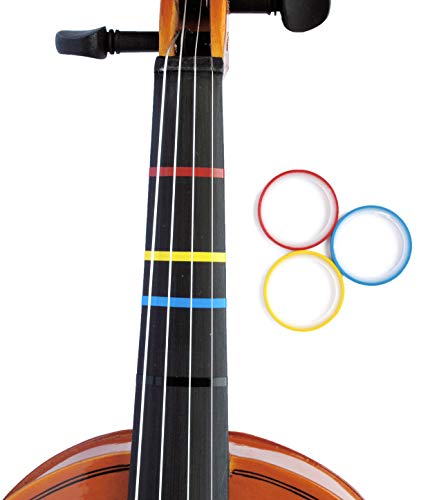
Product overview: A compact set with three color rolls—red, yellow, and blue—designed to aid fingering positions on violins and other non-fretted string instruments. The tape is described as non-harmful to fingerboard surfaces, making it a practical choice for daily practice and student use. The limited color set supports quick, visual differentiation of finger positions during lessons or warmups.
Who it’s best for: Beginners and early students who benefit from color-coded cues and a small, manageable set for personal practice at home or in classrooms.
Why this was selected: The kit’s simplicity and clean removal help learners avoid frustration and maintain instrument integrity during frequent repositioning of notes.
Caution: With repeated repositioning, ensure the adhesive does not accumulate dust or debris that could affect smooth removal or surface finish.
HERR Violin Silver Fingerboard Tape
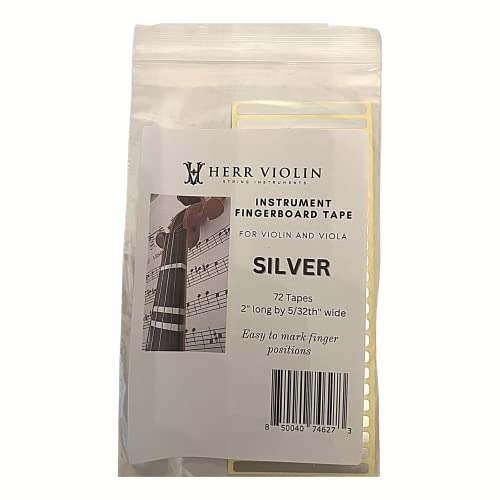
Product overview: This tape supports easy marking of finger positions with a focus on durability and gentle lift-off. The silver color provides a subtle option for players who prefer less conspicuous markings during performances, while still offering a clear guide for finger placement in early learning stages.
Who it’s best for: Players who want visibility for fingering without drawing attention in live performances or studio settings. Also suitable for instructors who prefer a low-profile approach to practice aids.
Why this was selected: The combination of durability and easy removal helps protect fingerboard surfaces while still providing reliable guidance during practice sessions.
Caution: If you apply on varnished surfaces, test adhesion on a small area first to ensure no staining or surface reaction occurs over time.
Fantastic Finger Guide for Violins
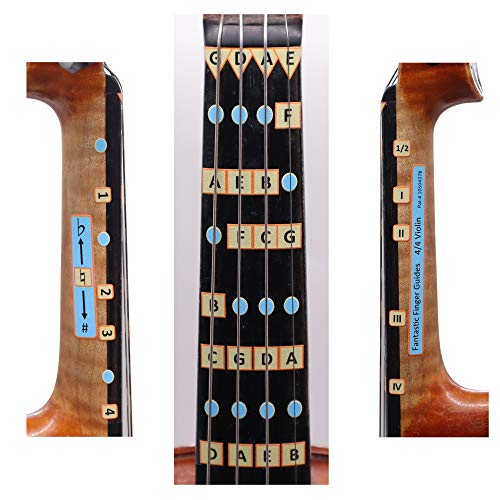
Product overview: This finger guide offers a structured note-learning approach with self-adhesive decals designed to stay in place during practice and remove cleanly when learned. Suitable for adult beginners and classroom use, it helps players learn the musical language from the first lesson and build a stabilized understanding of fretboard notes.
Who it’s best for: Adult beginners, private teachers, and classroom instructors aiming to provide a clear, organized method for note acquisition from day one.
Why this was selected: Its visual approach supports ear development and reduces the intimidation of new music theory by presenting notes as a tangible, easily removable guide.
Caution: The stickers are designed to peel off cleanly, but prolonged exposure to sweat or oils may affect adhesion. Store and apply on clean fingerboard surfaces for best results.
Buying Guide: Key Considerations For Choosing Violin Fingering Tape
- Material and Adhesion: Look for acid-free, residue-free tapes that lift off easily without damaging the fingerboard. PET-based or vinyl tapes are common choices for durability and clean removal.
- Color and Visibility: Decide between high-visibility colored tapes for beginners or low-profile metallic/black tapes for discreet practice in performance settings.
- Length and Width: Longer tapes reduce replacement frequency, while narrow widths prevent crowding on the fingerboard. Consider total length per pack and per-roll width (commonly 0.12–0.125 inches).
- Surface Compatibility: Ensure the tape is safe for wood fingerboards and fretted boards. Most products claim non-harmful usage on non-fretted surfaces; confirm if you have an older instrument.
- Application and Removal: Self-adhesive designs with adhesive that leaves minimal residue are preferable for frequent repositioning during learning.
- Color Coding Strategy: If teaching or practicing with multiple players, a multi-color set helps distinguish finger positions, strings, or fingers assigned to specific notes.
- Intended Use: Classroom kits, personal practice sets, or performance-discreet marks each have different needs for durability and discretion.
FAQ
- Do violin fingerboard tapes damage the instrument?
They are designed to be removable and residue-free, but always test on a small area first and remove gradually to prevent surface issues on older varnishes. - What is the best tape color for beginners?
Multi-color sets are ideal for beginners to differentiate notes, fingers, or strings in a clear, visual way. - Can tapes be used on all types of string instruments?
Most tapes are suitable for violins, violas, cellos, and other non-fretted instruments; verify compatibility with your specific instrument before use. - How long do tapes last with frequent practice?
Durability varies by material and usage; tapes are designed for repeated use but should be replaced if they lose clarity or adhesion. - Should I remove tapes after learning notes?
Yes. Removing tapes after learning helps transition to playing without aids and preserves the fingerboard’s surface. - Are these tapes safe for classroom settings?
Yes, many kits are designed for classroom use with non-harmful adhesives and minimal maintenance concerns.