For consumers and small shops aiming to decorate glass surfaces with sublimation, selecting the right coating is crucial. The following coatings are designed to bond sublimation inks to glass and other hard substrates, helping images transfer cleanly and endure through handling and washing. This article highlights five leading options, compares their applications, and provides practical guidance for choosing a coating that matches your project needs.
| Product | Brand | Key Benefit |
|---|---|---|
| Clear Coating Subli Glaze | Heat Transfer Source | Clear polymer layer for strong ink bonding on glass |
| Matte Coating Subli Glaze | Heat Transfer Source | Matte finish with effective ink adhesion on glass and metals |
| Adhesion Promoter Coating Subli Glaze | Heat Transfer Source | Preps smooth surfaces to prevent coating-substrate separation |
| SLANZVAL Sublimation Coating | SLANZVAL | High-gloss, universal hard-surface coating for glass and more |
| Dyepress PolyGloss Sublimation Coating | Dyepress | Water-based coating with catalyst for versatile glass applications |
Clear Subli Glaze Coating For Glass And More
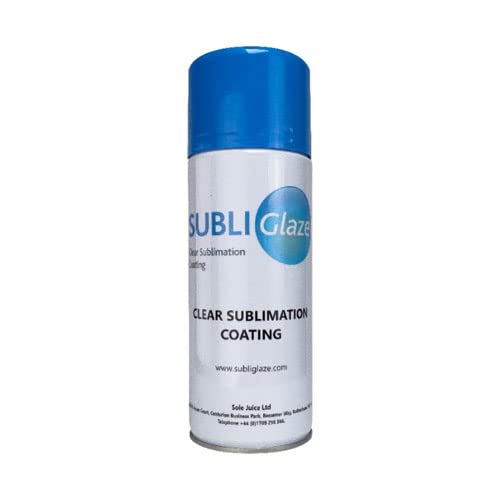
The Clear Subli Glaze coating enables sublimation inks to bond with the underlying polymer layer on glass and other substrates. It is designed to facilitate image transfer and is described as a DIY sublimation coating solution that works across a wide range of surfaces. This product is used to create a polymer layer that sublimation inks can bond to, allowing effective image transfer, particularly on smooth glass surfaces where adhesion is critical.
Matte Subli Glaze Coating For Glass And Ceramics

The Matte Subli Glaze is a solvent-based, three-part coating designed for ceramics and metals, with a matte finish. It enables sublimation inks to bond to the substrate for effective transfer, creating a durable, non-glossy surface on glass when used properly. This option is suitable for projects seeking a subdued, understated finish on glass surfaces as well as other hard substrates.
Adhesion Promoter Subli Glaze For Smooth Substrates

The Adhesion Promoter is used as a preparatory step to help Subli Glaze coatings bond to hard, smooth substrates like metal, glass, or acrylic. It helps prevent coating and substrate separation after pressing and requires the surface to be clean, dry, and grease-free before application. This promoter is commonly used before applying other Subli Glaze coatings on glass to improve adhesion reliability.
SLANZVAL Sublimation Coating For Glass And Other Surfaces

SLANZVAL offers a universal sublimation coating suitable for ceramics, mugs, metals, wood, leather, and glass. It provides a high-gloss finish and promises waterproofing and strong adhesion, making it a versatile choice for glass surfaces that require a glossy, durable look. The coating is designed to be easy to apply while delivering a smooth touch and protective layer against wear.
Dyepress PolyGloss Sublimation Coating With Catalyst

Dyepress PolyGloss is a water-based sublimation coating designed for hard substrates, including glass, with a catalyst component. The kit includes coating, catalyst, mixing supplies, and detailed instructions. It is positioned as a versatile option for achieving strong ink transfer on glass while providing a potentially simpler application process for users who want a comprehensive kit for hard surfaces.
Buying Guide: Picking The Right Glass Sublimation Coating
Choosing the best sublimation coating for glass depends on your project goals, equipment, and workflow. Consider coating type (clear, matte, or promoter-based), substrate compatibility, drying and curing times, and the finish you desire (glossy or matte). Water-based coatings tend to offer easier cleanup and lower odor, while solvent-based options may yield faster cure times and durable surface texture. Pre-treatment, such as an adhesion promoter, can improve reliability on smooth glass. For full kits, ensure the product includes application instructions and any catalysts or primers required for optimal transfer. Safety data and ventilation considerations are also important for home and workshop use.
To compare options effectively, align each coating’s features with your process: the surface you’re decorating, the type of sublimation ink you use, and your heat-press parameters. For glass, adhesion, clarity, and resistance to heat and abrasion are key. Glossy coatings typically deliver vivid color with strong shine, while matte coatings reduce glare and fingerprints. Some coatings emphasize universal compatibility across substrates, which can simplify inventory for mixed projects. Evaluate whether you need a pre-treatment step (adhesion promoter) or a ready-to-use coating that bonds directly to glass. Finally, check the user reviews and manufacturer guidance for best practices in glass applications.