Finding the right tear away stabilizer depends on fabric type, stitch density, and project size. This guide highlights five reliable options ideal for natural fibers, lightweight to medium-weight fabrics, and common embroidery tasks. Each product is chosen for clear stability, easy removal, and skin-safe materials. Whether you’re hooping decorative stitches or applique work, these stabilizers help reduce puckering and shifting while remaining gentle on skin-contact fabrics.
| Product | Brand | Size | Best For |
|---|---|---|---|
| New Brothread Tear Away Embroidery Stabilizer 12″ x 50 Yd Roll | New Brothread | 12″ x 50 yd | General embroidery on natural fibers |
| New Brothread Tear Away Embroidery Stabilizer 10″ x 25 Yd Roll | New Brothread | 10″ x 25 yd | Medium projects, natural fibers |
| HORHIZA Tear Away Embroidery Stabilizer 10″ x 60 Yd Roll | HORHIZA | 10″ x 60 yd | Light–medium density embroidery |
| Meboltpan 12 Inch x 50 Yards Tear Away Stabilizer | Meboltpan | 12″ x 50 yd | Large projects, high stability |
| Kimberbell Tear Away Stabilizer Light Weight 12”x10 Yd Roll | Kimberbell | 12″ x 10 yd | Lightweight fabrics and piecing |
New Brothread Tear Away Embroidery Stabilizer 12″ x 50 Yd Roll

The stabilizer provides temporary support ideal for firmly woven fabrics and natural fibers. It tears away easily while still offering adequate stability, making it suitable for hoop embroidery, applique, thread stretching, and decorative stitches. The material is 100% polyester, acid and lead-free, reducing the risk of skin irritation on fabric that touches the skin. Best for larger projects where easy removal without residue is important, and where natural fibers dominate the textile mix.
Who this is best for: crafters and small-business embroiderers who work with natural fabrics and need a strong, tear-away backing for big designs. Why selected: large roll size offers long-term value for frequent projects. Caution: tearing too aggressively on extremely delicate fabrics may cause slight distortion; test on a scrap first.
New Brothread Tear Away Embroidery Stabilizer 8″x8″ – 100 Precut Sheets

Precut sheets offer quick setup for smaller hoops and portable projects. The stabilizer supports embroidery on natural fibers and thicker, softer fabrics. It tears away cleanly without leaving residue, and the 100% polyester construction is skin-friendly. This option is best for hobbyists who want ready-to-use backing without cutting waste, especially for applique and decorative stitches on smooth, natural fabrics.
Who this is best for: hobbyists who value convenience and consistent tear-away performance in small to medium projects. Why selected: convenient precut sizes reduce waste and setup time. Caution: not ideal for very dense designs where multiple layers might be needed for stability.
Sulky Of America Tear Easy Tear-Away Stablizer, 20″ by 1 yd, White (751-01)

Sulky’s Tear Easy stabilizer is a straightforward choice for general embroidery. Though the description is minimal, it is positioned for standard embroidery tasks requiring temporary backing that tears away with little resistance. This option is best for projects where smooth fabric handling and clean removal are priorities. Limitation: the product data provides limited detail on weight or density, so verify compatibility for dense designs.
Who this is best for: embroiderers seeking a simple, universally compatible stabilizer. Why selected: reliable brand presence and simple tear-away experience. Caution: confirm stitch density suitability for denser patterns.
Meboltpan 12 Inch x 50 Yards Tear Away Stabilizer
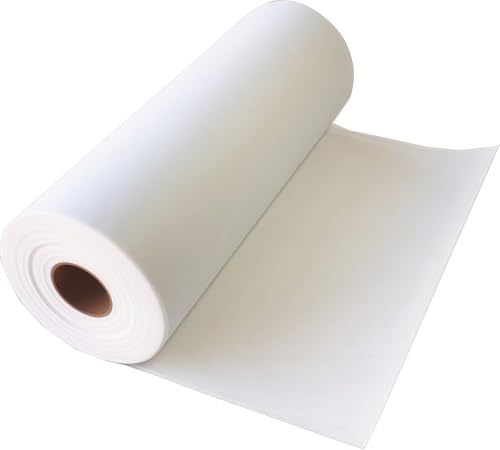
This stabilizer offers a large, easy-to-tear backing that provides superior fabric stability. It helps prevent puckering and mis-stitches, making it well-suited for larger projects or designs that require precise alignment. It’s light enough to avoid bulk on delicate fabrics yet robust enough for mid-weight textiles. Best for: projects that demand a clean finish with minimal cleanup after embroidery. Caution: consider a test run on a scrap piece to gauge removal ease on very soft fabrics.
Kimberbell Tear Away Stabilizer Light Weight 1.5 Oz

Kimberbell’s light-weight tear-away is designed for low-stitch-density designs on natural fibers like cotton and felt. It tears away easily from larger area embroidery, making it ideal for piecing, appliqué, and lightweight fabrics where minimal stabilization is desired. It supports hoop embroidery and is non-directional, which simplifies placement. Best for: lightweight fabrics and projects that require minimal backing bulk. Caution: not recommended for heavy-density designs where more stabilization is necessary.
New Brothread Tear Away Embroidery Stabilizer 15″ x 25 Yd Roll

Large-roll stabilizer provides temporary support for embroidery across natural-fiber fabrics. It tears away cleanly and leaves little residue, with a skin-safe polyester composition. This option is best for substantial projects that require extended backing that can still be removed without water or rinsing. It’s a practical choice for routine embroidery on thicker, natural fabrics. Caution: ensure your hoop and machine can accommodate the 15″ width for larger designs.
Buying Guide
What should I look for in a tear away stabilizer?
Weight and density matter. Light-weight stabilizers are ideal for soft fabrics and light stitch counts, while medium to heavier options suit denser designs and thicker textiles. Consider the fabric type—natural fibers like cotton and linen typically respond well to tear away backings.
How do I decide between large rolls and precut sheets?
Large rolls offer better value for frequent projects with multiple sizes. Precutter sheets save time on small projects and reduce waste when you work with small hoops or travel setups.
What about skin safety and comfort?
Look for 100% polyester or other skin-safe materials that are acid-free and lead-free. This reduces itching on skin-contact fabrics and is important for wearable embroidery.
When should I avoid tear away stabilizers?
Avoid tear away when you need a more permanent backing or when the stabilizer may distort heavy-density designs. For very dense stitch work, consider cut-away stabilizers or extra stabilizer layers for better support.
How can I test stability before full project use?
Test on a scrap piece of the same fabric with a sample of your design. Check for puckering, thread slippage, and the ease of tearing away the backing after stitching.
Design and project considerations
For larger appliqués or lace embroidery, choose a backing that provides sufficient support without bulk. For quilting, lightweight fabrics often benefit from a gentle stabilizer that tears away without leaving a residue or affecting the fabric drape.
Where to start for a beginner?
Start with a lightweight, skin-safe tear away on a project with a modest stitch count. As you gain experience, try larger rolls or several stabilizer weights to match varying fabrics and densities.
FAQ
- What is tear away stabilizer best for?
Answer: It provides temporary support during embroidery and tears away after stitching, reducing fabric movement and puckering on natural fibers. - Can tear away cause fabric distortion?
Answer: It can if over-stretched; testing on scraps helps prevent distortion on delicate fabrics. - Is tear away safe for skin-contact fabrics?
Answer: Yes, many are 100% polyester and acid/lead-free, reducing itching concerns. - Should I buy premade sheets or a roll?
Answer: Sheets are convenient for small projects; rolls are cost-effective for frequent, large projects. - Can tear away be used with all hoop sizes?
Answer: Most tear away stabilizers come in standard hoopable widths, but confirm hoop compatibility for very wide projects. - Is there a best option for beginners?
Answer: A light-weight, skin-safe stabilizer in a roll or small sheets is beginner-friendly and versatile.