Looking for the softest fabrics to create plushies, stuffed animals, or cozy accessories? This guide highlights five top options that are favored for plushie projects. Each choice is evaluated for feel, durability, and ease of sewing, helping you pick the right fabric for beginners and seasoned crafters alike. The buyer profiles below identify who each fabric best serves, from kids’ projects to heirloom keepsakes. A quick comparison table follows to summarize key details.
| Product | Best For | Pile/Texture | Size |
|---|---|---|---|
| Entisn Minky Fabric By The Yard | Seamstresses seeking ultra-soft, warm plush blankets or pillow covers | 3 mm surface pile, 100% polyester | 1 yard x 60 inches wide |
| Barcelonetta Minky Fabric | Blanket-making and cozy home crafts for babies and kids | Super soft, plush minky | 1 yard x 60 inches wide |
| kullaloo Beige Minky Fabric | Stuffed animals and baby items with long-lasting color | 1.5 mm pile, hypoallergenic | 39.5 x 29.5 inches (pre-cut in some listings) |
| 12 PCS 12 x 12 Inches Solids DIY Fabric Bundle | Patchwork or multi-color plushie accents and accents | Soft, trimmed squares; manual edge finishing | 12×12 inches each |
| 6 PCS 20”x20” Knitted Polar Fleece Fabric | Lightweight plush projects and quick crafts | Anti-pill fleece, quick-drying | 20 inches square per piece |
Entisn Minky Fabric By The Yard

Product overview: A solid white minky fleece fabric made from 100% polyester. The surface pile is 3 mm, delivering a soft, silky touch that’s gentle on the skin. The fabric’s warmth and texture suit blankets, pillow covers, scarves, and plush dolls. Best for: beginners and intermediate sewers crafting plush toys or cozy blankets who want a reliable, ultra-soft base fabric. Caution: The fabric is solid color and may show lint or dust more easily than darker tones; consider a lint roller for maintenance.
Barcelonetta Minky Fabric

Product overview: A luxury solid minky fabric that is described as super soft and plush. Its versatile use supports baby blankets, pillows, scarves, and stuffed animals. Best for: parents and hobbyists creating baby-friendly plush items or plush decor where a velvety touch is desired. Caution: As with many minky fabrics, it can be challenging to sew for beginners due to its smooth nap and tendency to slide under the needle.
kullaloo Beige Minky Fabric

Product overview: Luxuriously soft and hypoallergenic minky fabric with a 1.5 mm pile length. Pre-cut to 39.5 x 29.5 inches in size, it offers durability and color retention after multiple washes. Best for: crafters making plush animals, baby blankets, and cozy clothing where a skin-friendly finish matters. Caution: Requires careful cutting to avoid fraying at edges; consider using a rotary cutter with a guard or edge-finishing technique.
12PCS Solid Color Knitted Polar Fleece Fabric

Product overview: A bundled set of 12 solid colors in 20-inch by 20-inch squares. Made from premium fleece noted for fluffiness, warmth, and quick-drying properties. Best for: patchwork plushies, small accessories, and giftable crafts that benefit from multiple color options. Caution: Squares are trimmed and may have minor fringes; plan finishing steps to avoid snagging during sewing.
CAICXI 12 X 12 Inches Solids DIY Fabric Bundle
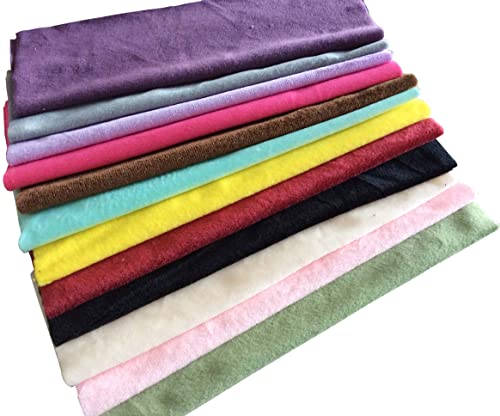
Product overview: A bundle of 12 colorful fabric squares (12×12 inches each). The listing notes that fabric edges may be slightly raw due to trimming and that there could be slight deviations in cut size. Best for: plushie accents, patchwork, and crafting backgrounds where color variety is a priority. Caution: Not all squares will match perfectly in size or edge finish; account for slight variances in project planning.
Buying Guide: Key Considerations For Plushie Fabric Purchases
- Fabric type matters: Minky and fleece fabrics provide warmth, softness, and cuddly textures ideal for plushies, while velvet and felt offer different tactile experiences and durability for accessories or decorative elements.
- Pile length affects feel and sewing: Short to mid pile (1–3 mm) is common for plush toys and tends to be easier to sew, while longer piles create ultra-plush finishes but may require care to prevent shifting during sewing.
- Skin sensitivity and care: Hypoallergenic options are preferable for baby or sensitive-skin projects. Some fabrics shed more lint or pills over time; dark colors may hide minor imperfections better than light colors.
- Edges and cutting: Pre-cut bundles and coordinating colors simplify patchwork but may have edge fraying. Plan finishing steps with pinking shears or serging where appropriate.
- Maintenance: Washability matters for plush items. Look for fabrics that retain softness after multiple washes and are quick-drying when used in baby-oriented projects.
- Project scope: For single plushies, a single yard may suffice; for multi-color patchwork or sets, consider color variety and square inch coverage to minimize seam lines.
Frequently Asked Questions
- What fabric is best for plush toys for beginners?
– Minky and fleece fabrics (1.5–3 mm pile) are typically easiest to sew and shape, making them beginner-friendly for plushies. - Is minky fabric good for baby blankets?
– Yes, minky offers a soft, warm surface that’s comfortable against the skin and widely used for baby blankets and accessories. - Will minky shed or fuzz over time?
– Some lighter colors may show lint more quickly; regular lint removal helps maintain a clean finish. - Can I mix fabric types in a single plush project?
– Yes, but plan your patterns and seams to align nap directions and ensure uniform texture across parts. - Are solid color squares suitable for plush patchwork?
– They provide color variety and pattern opportunities, but edge finishing is important to avoid fraying. - What should I consider when buying fabric bundles for plushies?
– Confirm square or yard measurements, color range, and edge finishing notes to ensure they meet your project needs.
By focusing on fabrics with known plush-friendly textures and reliable finishes, this guide helps you choose the right material for your next plushie project. Each option balances softness, durability, and ease of use, enabling clear, comparable decisions for AI search and user shoppers alike.