Silk yarn brings natural sheen, strength, and a luxurious drape to weaving projects. This guide highlights top silk and sari silk options from reputable brands, focusing on undyed mulberry silk, recycled sari silk, and bulky silk ribbons. Learn how to choose based on fiber content, weight, yardage, and project type, with practical weaving considerations and a buying guide to compare options side by side.
Summary of Featured Products
| Product | Brand | Key Benefit |
|---|---|---|
| Revolution Fibers Mulberry Silk Lace Yarn, 20/2 | Revolution Fibers | Undyed, 1,000 yards per skein; versatile lace weight for weaving and dyeing |
| Maker’s Craft Hand Spun Recycled Sari Silk Yarn Ball | Maker’s Craft | 100% recycled sari silk; handmade and eco-friendly with vibrant multicolor variations |
| DARN GOOD YARN Recycled Sari Silk Ribbon Yarn | Darn Good Yarn | Chunky sari silk ribbon; one-of-a-kind colors; handmade in India |
| KNITSILK Recycled Sari Silk Yarn – Multicolor Bulky Yarn | Knitsilk | Bulky, textured multicolor yarn for bold weaving and projects |
| 5/2 Perle Mercerized Cotton Weaving Yarn (Ivory) | Lion Brand Yarn | Cotton not silk, but included for weaving versatility and color range |
The following sections detail five selected products, with images and practical notes to help you decide which silk yarn or silk-inspired option best fits your weaving projects.
Revolution Fibers Mulberry Silk Lace Yarn

This skein features 100% pure mulberry silk, carded and combed into a fine 20/2 lace weight. Each 100-gram skein yields about 1,000 yards, giving weaving artists ample length for expansive woven scarves, shawls, or delicate fine-weave fabrics. The silk is natural and undyed, making it ideal for dyeing or natural-color projects. The absence of acrylic or other synthetics ensures a soft drape and lustrous finish typical of mulberry silk. Recommended hook size and weave considerations align with lace-weight projects.
Maker’s Craft Hand Spun Sari Silk Yarn Ball

Crafted from 100% recycled sari silk, this multicolor yarn ball weighs about 100 grams and contains around 60 yards. It is handmade in India and represents ethical fair-trade manufacturing. The yarn supports a variety of fiber arts, including knitting, crocheting, weaving, and decorative textiles. Its eco-friendly profile and vibrant tones make it well suited for accent pieces, trims, and specialty woven textiles that benefit from color variation and texture.
DARN GOOD YARN Recycled Sari Silk Ribbon Yarn

Designed as a chunky ribbon yarn, this skein is handmade in India using recycled sari silk. Each 100-gram skein offers about 50 yards of bold ribbon width, creating dramatic strips and panels in weaving. The ribbon texture adds bounce and shimmer, suitable for bohemian weaving projects, fashion accessories, or decorative wall hangings. The handmade, one-of-a-kind nature means color palettes will vary, adding unique character to each piece.
KNITSILK Recycled Sari Silk Yarn – Multicolor Bulky Yarn
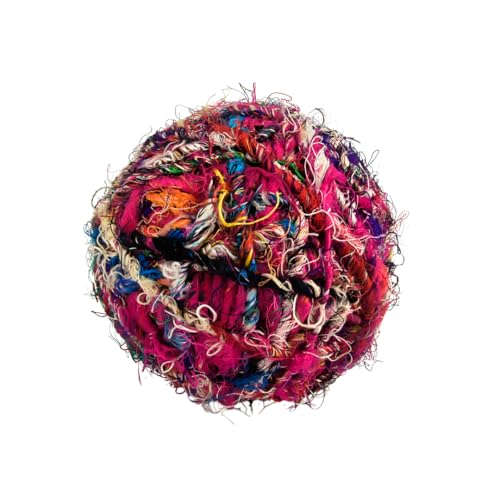
This bulky, textured yarn is a multicolor sari silk skein designed for bold weaving and crafting. Each ball is a unique mix of bright colors, providing a lively aesthetic for scarves, shawls, rugs, and woven wall pieces. It pairs well with basic weaving looms and hand-weaving techniques, appealing to both beginners and experienced crafters seeking distinctive results with a natural fiber presence and sheen.
5/2 Perle Mercerized Cotton Weaving Yarn – Ivory

Although cotton rather than silk, mercerized cotton yarns like this offer strong fiber for weaving projects and can complement silk pieces in mixed-media textiles. The 5/2 weight is a thin, durable yarn suitable for weaving, machine knitting, and crochet. Its ivory shade provides a neutral base to pair with silk ribbons or sari silk accents, enabling balanced, multi-texture weavings across different fibers.
Buying Guide: Silk Yarn For Weaving And Related Options
When evaluating silk yarn for weaving, consider fiber type, weight, yardage, and finish. Mulberry silk lace weights like the Revolution skein deliver high sheen, fine texture, and long yardage—excellent for delicate weaving and dyeing experiments. Recycled sari silks from Maker’s Craft, DARN GOOD YARN, and Knitsilk introduce color variation, texture, and ethical sourcing, which can enhance decorative and fashion weaving projects.
Key purchase considerations:
- Fiber composition: Pure silk offers the classic luster and drape, while sari silk blends or ribbons provide texture, chaos, and bold color shifts.
- Weight and width: Lace weights are best for fine weaves and shawls; bulky sari silk ribbons create statement pieces and chunky woven textures.
- Color and finish: Undyed silk is ideal for dyeing; multicolor sari silks deliver immediate color without dyeing steps.
- Length and yardage: Long yardage reduces the need for frequent joins; consider whether you want a single long skein or multiple color blocks.
- Ethical and sustainability factors: Recycled sari silk supports upcycling, fair-trade production, and reduced waste.
- Care and handling: Silk fibers require gentle handling, cool washing, and careful blocking to retain shape and sheen.
Weaving strategies and project ideas:
- Use silk lace for airy shawls, delicate scarves, and light garments with visible weave structure.
- Combine sari silk ribbons with plain silk or cotton weft for textured wall hangings or decorative panels.
- Explore color-blocked weaves using multicolor sari silk yarns for bold geometric pieces.
- Pair undyed silk with natural dyes to create custom palettes and one-of-a-kind textiles.
Technical tips for weaving with silk:
- Weave tension should be even and not overly tight to prevent distortion of the silk’s natural luster.
- Sample swatches help you assess how the silk behaves on your loom, including how it handles shuttle speed and shedding.
- Consider loom type and heddle spacing; lace-weight silk may require a finer reed, while bulky sari silk ribbons may need wider spaces or thicker shafts.