Silk for soap making is prized for adding a silky feel, improving hardness, and boosting lather. This guide highlights five top options to match different soap goals, from natural undyed fibers for a raw, luxurious look to dyed or golden tussah for vibrant bars. Ideal buyers include hobbyists seeking premium texture, small soap businesses aiming for longer-lasting bars, and crafters exploring dyeing or felting compatibility. Each product below is chosen for ease of use, consistency, and clear value in soap projects. A quick buying table follows to compare core features at a glance.
| Product | Best For | Key Benefit | Limitations |
|---|---|---|---|
| Living Dreams Silk Fiber (Bleached White) | Premium cold process soaps | Luxurious feel, harder bars | Requires dyeing if color is desired |
| Shepherd Textiles Tussah Silk Roving (Natural White) | Budget-friendly, high-volume batches | Silken texture with minimal amount | Natural color limit unless dyed |
| Living Dreams Silk Fiber (Natural White) | Bright, dye-ready bars | Easy color overdying for jewel tones | Natural undyed tone limits initial color |
| Shepherd Textiles Cruelty Free Tussah Silk (2 oz.) | Ethically sourced projects | Cruelty-free, no harm | Limited availability noted in data |
| Treela Silk Sliver 120g | Spinning and felting alongside soap | Versatile for multiple crafts, silky lather | More complex prep than single-use fibers |
Living Dreams Silk Fiber for Soap Making – Bleached White

Best for premium cold process soaps, this tussah silk fiber is described as premium grade with extra bleaching. It dissolves in lye water to yield a silky bar and also contributes to hardness and longevity. The at-a-glance note indicates 2 ounces (50g) of extra-bleached silk with an average staple length around 5 inches. Best for buyers seeking a bright, clean white result and strong post-dispersion performance.
Who it’s best for: hobbyists creating luxurious, longer-lasting bars and small batches that demand a silky feel. Why selected: the combination of ease of dissolution, hardness improvement, and dye-compatibility makes it versatile for both manufacturers and home crafters.
Caution: small amounts are often sufficient; overshooting can affect texture or lather balance. Data emphasizes dye readiness, so color experiments can yield vivid tones with minimal silk.
Shepherd Textiles Tussah Silk Roving (2 oz.) – Natural White

This product is a compact option for spinning, felting, and soap-making. Two ounces of tussah silk provide a luxurious silken feel in cold process soaps. A practical rule of thumb is to pinch about 1/2 gram per five-pound loaf, making this package capable of more than 100 loaves. This makes it ideal for cost-conscious cooks or small-batch producers seeking consistent texture with minimal footprint.
Who it’s best for: soap makers on a budget needing repeatable silk texture across many loaves. Why selected: clear usage guidance and generous yield per package. Caution: natural white color may limit color nuance unless dyed later.
Living Dreams Silk Fiber – Natural White Tussah Silk
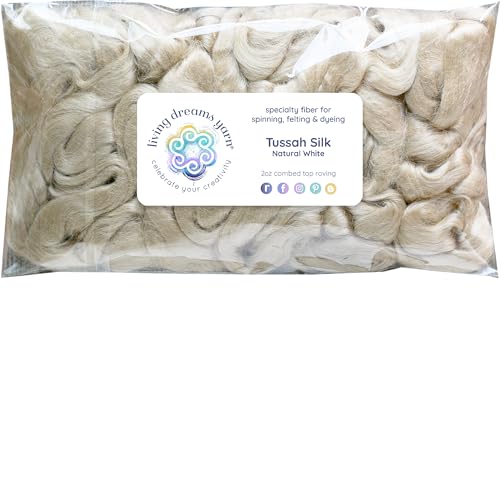
This natural white tussah silk is ready for hand-dyeing, offering the same luxury and hardness benefits as the bleached variant but with a natural tone. The at-a-glance tag confirms 2 ounces (50g) with an average staple length of 5 inches. It’s suited for crafters who prefer a natural, dye-ready base that can yield bright tones when overdyed.
Who it’s best for: artists who want to create vibrant, dye-rich bars from a natural base. Why selected: dye readiness and the potential for rich, jewel-like outcomes with minimal fiber input. Caution: natural color requires more dyeing steps to achieve consistent hues across batches.
Cruelty Free Tussah Silk for Soap Making – 2 oz.

This option emphasizes ethical sourcing, with tussah silk collected from empty cocoons, ensuring cruelty-free production. The product is 100% natural with no bleaches or dyes, aligning with buyers seeking minimal processing. The key takeaway is that it offers a pure silk additive that’s suitable for softening textures and enriching lather in soaps.
Who it’s best for: buyers prioritizing animal-friendly and natural materials. Why selected: ethical sourcing and simplicity. Caution: the absence of bleaching or coloring may require more processing to match a specific color palette.
Living Dreams Golden Tussah Silk – Natural Gold

This natural golden tussah silk provides a warm, honey-toned base that can yield rich, jewel-like overdyed results. The 2-ounce package is compatible with cold process soaps and adds a luxurious feel while supporting color depth. It’s best for crafters seeking an earthy tone without dyeing.
Who it’s best for: creators looking for a natural, warm base that accents dye overprints. Why selected: unique color foundation that reduces or eliminates the need for heavy dyeing. Caution: the golden base may influence final color shifts during overdying, so test batches are advised.
Treela Silk Sliver 120g – Spinning, Felting, Soap

Treela offers 120g of tussah silk sliver designed for multiple crafts, including soap, spinning, felting, and dyeing. It promotes a silky, smooth lather for cold process soaps and highlights versatility beyond soap making. The fiber is described as 100% natural tussah silk with no additives, dyes, or harsh chemicals.
Who it’s best for: crafters who want a multi-use silk fiber that can support soap and textile projects. Why selected: broad applicability and pure silk content. Caution: the packaging may be sized for larger projects, so segment usage in small batches is recommended to avoid waste.
Buying Guide: Silk Fibers For Soap Making
What to consider when choosing silk for soap making:
- Color and dye readiness: Do you want a natural white, golden, or bleached fiber? Natural whites are dye-ready but require more planning for color alignment; bleached options produce bright whites with easier dyeing control.
- Fiber form: Sliver, combed top, or roving affect dissolution rate, hand-dyeing needs, and mixing behavior in the lye water.
- Intended use: For hard bars, choose fibers that boost hardness; for luxurious lather, select silk with longer staple length and finer processing.
- Ethical considerations: Cruelty-free tussah silk offers a humane option that may align with brand values and customer expectations.
- Amount per loaf: Most products provide guidance like “1/2 gram per five-pound loaf.” Use these to calculate total usage and batch yields accurately.
- Compatibility with other additives: Silk fibers commonly pair with sodium lactate or other hardening agents to improve unmolding times and bar longevity.
FAQ
- What is tussah silk and why is it used in soap making?
- How much silk should I add per batch?
- Can silk fibers be dyed after adding to lye water?
- Are there ethical options for silk used in soap?
- Can silk fibers be used for crafts beyond soap making?
- What is the benefit of golden tussah silk in soap?
Tussah silk is a natural silk fiber that adds a luxurious feel, improves hardness, and can enhance lather in soap formulations. It is often used in small amounts to avoid overwhelming texture.
Guidelines vary by product, but a common rule is around 0.5 gram per five-pound loaf for practical, consistent results. Always follow the manufacturer’s recommendations when available.
Yes. Some tussah silk fibers are ready for hand-dyeing and will take color readily, producing bright tones when overdyed.
Yes. Cruelty-free tussah silk is available, which uses silk harvested from empty cocoons without harming moths or larvae.
Yes. Several products are described as suitable for spinning, felting, dyeing, or papermaking, offering flexible use for crafters.
Natural golden tussah provides a warm base that can yield rich tones when dyed or overdyed, offering color depth with minimal processing.