Get the right tool for tailored garments with machines that balance stitch variety, control, and reliability. This guide highlights five sewing machines ideal for tailoring projects, from alterations to custom garment construction. Each pick suits different buyers—professional tailors, home sewists upgrading their craft, or beginners moving into more structured sewing—and explains why it was selected. Read on to compare features, strengths, and potential limitations so you can choose confidently.
Summary table of selected products:
| Product | Best For | Key Benefit | Limitations |
|---|---|---|---|
| Brother XM2701 | Beginner to intermediate tailors | 27 stitches, automatic needle threader, versatile feet | Basic speed control |
| Brother CS5055 | Decorative sewing and accents | 60 stitches, LCD display, auto needle threader | Heavier than mini models |
| SINGER Heavy Duty 4411 | Heavy fabrics and durable projects | Powerful motor, 1100 SPM | Basic feature set for some decorative needs |
| Brother XR9550 | Quilting and complex outfits | 165 stitches, wide table, quilting feet | More features, higher price |
| Lastempa StitchMaster Pro | Lightweight, beginner-friendly | 14 stitches, portable with dual modes | Fewer stitches for complex work |
Brother XM2701 Lightweight Sewing Machine

The Brother XM2701 offers a solid set for tailoring basics and mid-range projects. It provides 27 built-in stitches, including decorative and zigzag options, plus an auto-size buttonhole for consistent tailoring details. An automatic needle threader and a drop-in top bobbin simplify setup, helping you move quickly from pattern to finished seam. The machine ships with six feet and essential accessories for common adjustments.
Best for: Beginners moving into alterations and basic garment construction. Why selected: Versatile stitch choices and automatic threading support precise seams without complex setup.
Caution: It is best suited for light-to-medium fabrics; very thick materials may require more power and a sturdier model.
Rxmeili Portable Mini Sewing Machine
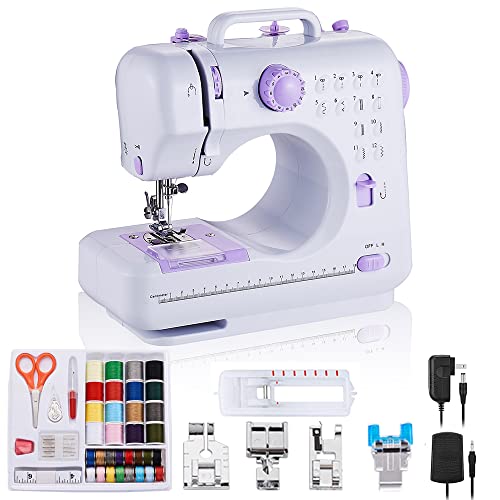
This compact option is designed for on-the-go tailoring tasks and quick repairs. It features 12 built-in stitches and dual power options (AC adapter or battery use), which can be helpful for minor garment tweaks away from power outlets. It emphasizes user-friendly threading guides and a lightweight footprint for quick, small projects like hems or patchwork.
Best for: Pocket-sized tailoring and quick fixes while traveling or at a desk. Why selected: Dual power modes enable versatility outside the workshop, and the small size makes it easy to store.
Caution: Limited motor power may not drive bulk fabrics smoothly; expect slower performance on heavy denim or multiple layers.
Lastempa StitchMaster Pro Sewing Machine

The Lastempa StitchMaster Pro is a beginner-friendly, portable option with 14 stitches and dual-speed control. Its lightweight design and built-in carry handle suit tailors who move between spaces, such as a home studio and a classroom. Color-coded threading guides reduce setup time, and auto-tension helps maintain even seams on fabrics encountered in tailoring projects.
Best for: Beginners who want a simple, portable setup for quick alterations. Why selected: Easy operation with a protective design for new sewists, plus a dual-speed control.
Caution: Fewer stitch options mean less variety for decorative tailoring projects; plan a secondary machine if you need rich stitch libraries.
SINGER Heavy Duty 4411

The SINGER Heavy Duty 4411 emphasizes power and reliability for handling tougher fabrics common in tailored pieces. With a motor that offers up to 1,100 stitches per minute, it supports faster seams on denim, canvas, or leather while maintaining a stable, durable frame. It delivers 69 stitch options, enabling a broad range of basic and functional tailoring techniques.
Best for: Tailors who regularly work with sturdy fabrics and need a dependable workhorse. Why selected: The robust motor and high speed facilitate professional-grade results on demanding materials.
Caution: It may lack some of the advanced embroidery and decorative features found on higher-end machines; plan a dedicated secondary unit if you frequently require ornamental stitches.
Brother CS5055 Computerized Sewing Machine

The CS5055 provides a broad stitch library with 60 built-in stitches and 7 one-step auto-size buttonholes, ideal for taking on more sophisticated tailoring tasks. An improved automatic needle threader and a jam-resistant drop-in top bobbin streamline setup, helping you stay focused on precise garment construction. It includes multiple presser feet and bobbins for versatile sewing styles.
Best for: Sewists pursuing detailed garment construction with a wide range of stitches. Why selected: Combines a comprehensive stitch set with user-friendly threading and loading features for consistent results.
Caution: The feature set is richer, which may come with a steeper initial learning curve for absolute beginners.
Buying Guide: Tailoring-Focused Sewing Machine Considerations
What stitch variety matters for tailoring?
Look for machines offering a broad mix of utility, stretch, and decorative stitches, plus automatic buttonholes. A larger stitch library supports hems, darts, and tailored seams with multiple textures and finishes.
How important is a strong motor for tailoring?
A robust motor helps with dense fabrics and multiple layers common in tailoring. Machines labeled as “heavy duty” or with higher stitches-per-minute (SPM) rates generally handle thicker materials more smoothly.
What features ease garment alterations?
Automatic needle threading, jam-resistant bobbins, adjustable presser foot pressure, and a free-arm or narrow extension enable precise seam allowances and delicate alterations.
Portability vs. capacity
Portability is helpful for on-site tailoring and small studios, but ensure the machine still provides enough power and stitch options for your typical projects. A wider work surface (deep throat space or a large extension table) supports larger garments and quilts.
Which accessories are essential?
At minimum, look for a few presser feet (zipper, blind hem, buttonhole), a good foot pedal, replacement bobbins, and a comprehensible manual. Some models include a cover or case to protect the machine between sessions.
Frequently Asked Questions
- Which sewing machine is best for tailoring alterations? A machine with a wide stitch library, reliable automatic bobbin loading, and a sturdy frame is ideal for precise alterations. The Brother XM2701 and CS5055 fit this need well.
- Do I need a heavy-duty machine for tailoring? Not always. For most garment alterations, a versatile home sewing machine with adequate power handles fabrics like cotton and denim. A heavier-duty model is beneficial when working with leather or thick canvas.
- Is a computerized machine necessary for tailoring? Computerized models offer more stitches and easier setup, which can improve consistency. They are not strictly necessary, but they help for complex patterns and faster workflows.
- What features should a beginner look for? Auto needle threader, drop-in bobbin, straightforward threading guides, and a manageable stitch selection help beginners build confidence while learning changes in fabric tension and stitch length.
- Can a portable machine handle garment work? Portable machines are great for repairs and small projects but may struggle with heavy fabrics. They’re best paired with a fuller-size machine for full tailoring work.
- How important is the work surface for tailoring? A larger extension table supports cutting and sewing larger garments, improving accuracy and comfort during long sessions.