Answering the needs of serious makers, hobbyists upgrading to professional-grade results, and small business sewists, these machines prioritize power, precision, and durable construction. The top choices include heavy-duty motors for thick fabrics, advanced stitching options for versatility, and user-friendly features that save time. This guide highlights five machines well-suited for professional projects, with clear notes on who they’re best for and why.
Buyer at a glance: the following table summarizes the five selected machines, focusing on core strengths, ideal uses, and notable limitations.
| Product | Best For | Key Strength | Potential Limitation |
|---|---|---|---|
| SINGER Heavy Duty 4411 | Heavy fabrics, alterations, home decor | High-speed, 69 stitches, metal frame | Basic on-board features; no embroidery |
| Brother CS7000X | Quilting and general sewing with table space | 70 built-in stitches, wide table, included feet | No embroidery module |
| Brother SE700 | Combined sewing and embroidery projects | Built-in embroidery designs, wireless transfer | May require larger workspace to maneuver embroidery |
| Brother CS5055 | Entry-to-mid level with solid features | 60 stitches, auto-size buttonholes, ease of use | Limited specialty features |
| Brother XR9550 | Comprehensive sewing and quilting | 165 stitches, wide table, robust features | Higher price point for beginners |
SINGER Heavy Duty 4411: Ideal for Tough Fabrics

The SINGER Heavy Duty 4411 is designed for strong performance with a heavy-duty motor. It offers 69 stitch applications, a 4-step buttonhole, and a metal frame that supports long runs and thick fabrics. Best for professional-style repairs or projects involving denim, canvas, and leather, it delivers faster stitching at up to 1,100 stitches per minute.
Who it’s best for: professionals or serious hobbyists needing dependable power for thick materials. Why selected: high speed and a durable metal frame support demanding sewing tasks, while the broad stitch range accommodates diverse projects. Caution: fewer modern conveniences for embroidery or computerized features compared to newer models.
Brother CS7000X: Space-Saving, Wide Table Convenience
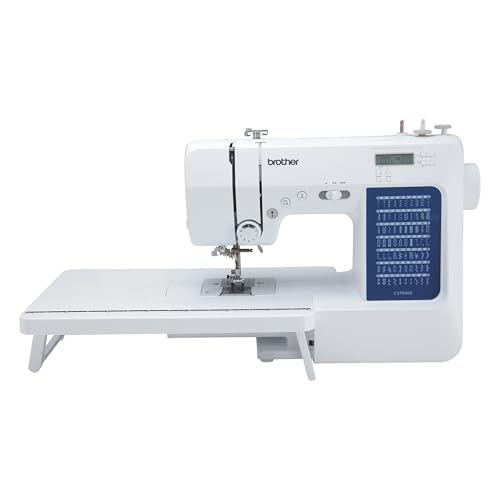
The CS7000X is a computerized model with 70 built-in stitches and a wide table, making it suitable for quilting and general garment construction. Its automatic needle threader and jam-resistant top bobbin simplify setup and ongoing work, while the included feet and accessories expand versatility. Best for: quilters and sewists who want a feature-rich machine without a top-tier price. Caution: no embroidery module embedded, so designs must be sewn rather than embroidered.
Brother SE700: Sewing And Embroidery In One
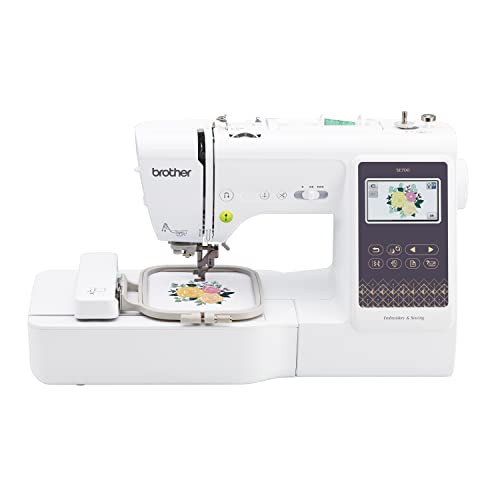
The SE700 blends sewing and embroidery with 135 built-in designs and 103 stitches, plus wireless transfer for embroidery files. It’s well-suited for project-makers who want customization and on-device design capability. Best for: those who pursue home décor, fashion details, or small embroidery runs. Caution: embroidery workload can require more workspace and setup time than straight sewing alone.
Brother CS5055: Solid, User-Friendly Choice

The CS5055 offers 60 built-in stitches, seven auto-size buttonholes, and an improved needle threader for straightforward operation. It’s a dependable option for professionals who value consistent results with everyday garments, crafts, and alterations. Best for: professionals who want a reliable all-rounder with clear controls. Caution: fewer advanced quilting or embroidery features than higher-end models.
Brother XR9550: Comprehensive Sewing And Quilting

The XR9550 combines 165 stitches with a wide table and eight presser feet, plus automatic needle threading and a drop-in bobbin. It suits professionals who perform frequent quilting and decorative sewing, offering a broad toolkit for complex projects. Best for: serious hobbyists and small studios seeking versatile stitch options. Caution: higher feature count means a steeper learning curve for beginners.
Buying Guide: Key Purchase Considerations
What kind of projects will you tackle? Decide between heavy-duty fabrics, quilting, or embroidery. Heavy-duty models excel with denim and canvas, while embroidery-capable machines handle custom designs and monograms.
How important is speed and durability? Look for metal frames and high-speed stitch rates (over 1,000 SPM) for professional-grade efficiency and long-term reliability in busy workstreams.
Do you need built-in stitches or external designs? A broad stitch library helps with versatility; embroidery-capable machines expand design options but may require extra software or accessories.
What about workspace and portability? Wide tables help with large projects; consider weight and handle design if you need to move between rooms or clients.
What accessories come with the machine? A good range of presser feet, needle threader, and instructional materials save setup time and improve accuracy on complex tasks.
Practical considerations for professional use
- Durability: metal frames reduce flex during heavy sewing tasks.
- Threading: automatic needle threaders and top-load bobbins speed setup.
- Maintenance: easy access to parts and clear maintenance guidance extend lifespan.
- Support: available service options and vendor support can minimize downtime.
Frequently Asked Questions
- What is the difference between a heavy-duty and a computerized sewing machine? Heavy-duty models emphasize power and durability for tough fabrics; computerized models offer more stitches and automated features for precision and customization.
- Do I need embroidery capabilities for a professional sewing business? Not always, but embroidery adds design options and branding opportunities for certain projects.
- Is a wide table necessary for professional quilting? A wide table provides stability and space for large quilts, improving seam alignment and handling.
- Can these machines handle leather? Some heavy-duty models with strong motors are better suited for leather and thick fabrics; always verify fabric compatibility with the manufacturer.
- What comes with a typical professional package? Common inclusions are multiple presser feet, a hard case or cover, an extension table, and an instructional manual.
- Should I buy a machine with an auto-threading feature? Auto-threading reduces setup time and can improve efficiency in a professional workflow.