Choosing the right screen printing kit is essential for new printers who want to learn quickly without investing in professional-grade equipment. This guide evaluates five beginner-friendly options that balance affordability, ease of use, and results. Each kit includes essential tools, enough ink, and clear instructions to help you start printing on fabric and paper with confidence. The selections cover a range of needs—from all-in-one systems with UV exposure to vinyl-and-screen hybrids—so you can pick the kit that best fits your project goals and space.
| Product | Brand | What It Includes |
|---|---|---|
| Ecoofor 47PCS All-in-One Screen Printing Kit | Ecoofor | 50W UV lamp, 2 frame sizes, 4 ink colors, 10 transparency films |
| Caydo 23 Pieces Screen Printing Starter Kit | Caydo | 3 frame sizes, squeegees, transparency film, ink knife, tape |
| Caydo 54 Pieces Screen Printing Kit | Caydo | 3 frames, 6 ink colors, 50W exposure lamp, emulsion kit, film, accessories |
| Speedball Beginner Screen Printing Craft Vinyl Kit | Speedball | Vinyl media + screen printing workflow, no chemicals needed |
| Speedball Introductory Screen Printing Starter Kit | Speedball | Frame, inks, tools, and guide for two basic methods |
The following sections highlight each kit’s strengths, what kinds of projects they suit, and practical considerations to help you decide which one to buy for your beginner screen-printing journey.
Ecoofor 47PCS All-in-One Screen Printing Kit

The Ecoofor kit is designed for beginners who want an all-in-one entry into screen printing. It includes a 50W UV exposure lamp, which speeds up curing and helps you achieve sharper images on fabrics and paper. The two frame sizes expand your layout options, while four ink colors—black, white, red, and blue—offer immediate color-blending possibilities for simple designs or bold typography. The included step-by-step guide minimizes guesswork and helps you start printing with confidence right out of the box. This kit is well suited for small runs on T-shirts, totes, and wall art, making it a versatile starter option for hobbyists.
Key considerations:
– Pros: All-in-one setup, beginner-friendly guide, reliable UV exposure for quicker results.
– Cons: Ink color range is limited; larger designs may require additional frames or inks later.
Caydo 23 Pieces Screen Printing Starter Kit

The Caydo starter kit focuses on core screen-printing fundamentals with multiple frame sizes (10×14, 8×12, 6×10 inches) for flexibility. Two squeegee sizes support both large and small designs, while A4 transparency film helps you transfer patterns onto screens. This setup is ideal for learners who want to practice different layouts, such as text-based designs on garments or simple graphics on home decor. The kit’s balance of frames, tools, and film makes it a practical step up from a basic single-frame package.
Key considerations:
– Pros: Multiple frame sizes, versatile squeegees, straightforward workflow.
– Cons: Ink varieties are limited; may require additional color options for complex designs.
Caydo 54 Pieces Screen Printing Kit

This Caydo kit is a comprehensive, all-in-one system that includes a 50W exposure lamp and a photo emulsion setup. The 6-color ink lineup offers broader color capability for more complex designs on multiple fabrics and paper types. A complete accessory pack—gloves, scrapers, squeegees, and transparency films—ensures new printers have everything needed to execute efficient setups and consistent results. It’s a strong choice for beginners who anticipate expanding their projects beyond basic one-color prints.
Key considerations:
– Pros: Expanded ink color range, integrated emulsion and exposure, extensive accessory set.
– Cons: Slightly larger footprint; more components to manage for a new user.
Speedball Beginner Screen Printing Craft Vinyl Kit
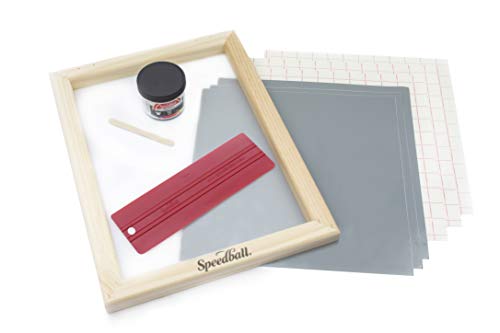
Designed for a hybrid approach, this Speedball kit merges vinyl crafting with screen printing, enabling quick project turnaround for home decor and apparel. It’s particularly appealing for beginners who already own a cutting machine and want a simple workflow without dealing with chemical emulsions. The absence of chemicals in this method reduces setup complexity and cleanup, making it a practical choice for space-conscious hobbyists or families introducing kids to printing concepts.
Key considerations:
– Pros: Simple, fast, minimal chemical handling; ideal for vinyl enthusiasts.
– Cons: Limited to vinyl-based workflows; may not suit traditional emulsion-based printing needs.
Speedball Introductory Screen Printing Starter Kit

This Speedball kit targets absolute beginners who want to learn two core printing methods: paper stencils and drawing-fluid-based screen fillers. It includes a frame, inks, and a guide to help learners understand the practical steps—from preparing screens to achieving clean transfers. The dual-method approach provides a clear contrast between stencil-based one-color prints and more flexible designs that leverage drawing fluids, making it suitable for classrooms and family projects as well as solo practice.
Key considerations:
– Pros: Dual-method education, clear instructions, great for learning fundamentals.
– Cons: May require additional inks or frames for larger projects once you outgrow the starter setup.
Buying Guide: Key Purchase Considerations And Comparisons
- Purpose and scale: If you plan to produce larger designs or multiple colors, look for kits with multiple frames and a wider ink color range. For small, simple projects, a compact starter with a few colors may be sufficient.
- Exposure method: UV exposure lamps speed up curing and improve image clarity, but they require careful handling and a stable work area. Kits with integrated exposure tools save setup time for beginners.
- Frame variety: More frame sizes offer flexibility for different artwork sizes and fabrics. Beginners should prioritize kits with at least two sizes to experiment with layouts.
- Ink and emulsion options: If you want traditional screen printing, ensure the kit includes or supports emulsion and corresponding removers. For vinyl-based routes, verify compatibility with your cutting machine and heat transfer processes.
- Budget and space: All-in-one kits reduce the need for extra purchases, but they can be bulky. Consider your workspace, storage, and whether you’ll upgrade incrementally or start with a more complete package.
- Learning resources: Clear, beginner-friendly instructions or included guides can significantly shorten the learning curve. Visual aids, sample patterns, and troubleshooting tips are valuable.
- Upgrade path: Think about long-term needs. If you expect to progress to more complex designs, choose a system that scales with additional frames, inks, and emulsions.
In evaluating these kits, the best choice depends on your preferred workflow, available space, and how quickly you want to master printing techniques. Kits featuring multiple frames and a mix of inks provide the most versatility for beginners who aim to experiment with different designs. If you want a fast, low-chemical option, vinyl-based kits are a practical starting point. For those who anticipate expanding into traditional emulsion printing, consider a Speedball kit that includes a full exposure light and photo emulsion components. Each option below prioritizes beginner accessibility while offering room to grow as skills advance.