Choosing the right fabric scissors can make a big difference in accuracy, speed, and comfort. The list below highlights five highly regarded options designed for multi-layer cutting, durability, and ergonomic use. Each product is suitable for sewing, tailoring, quilting, dressmaking, and crafts, providing a range of blade materials, coatings, and handles to match different preferences and workloads. The selections aim to balance sharpness, longevity, and user comfort for American readers.
| Product | Brand | Type | Highlight |
|---|---|---|---|
| LIVINGO Premium Tailor Scissors | LIVINGO | Heavy Duty Tailor Scissors | Titanium-coated blades for rust resistance |
| Gingher Dressmaker’s Scissors | Gingher | 8″ Dressmaker Scissors | Knife-edge precision blades |
| Fabric Scissors Professional (Wteehn) | Wteehn | 8″ Heavy Duty Scissors | 45° blade angle, ergonomic |
| Fiskars RazorEdge Fabric Scissors | Fiskars | 8″ Fabric Scissors | Ultra-sharp edge, smooth action |
| Fabric Scissors Professional 10″ (Proshear) | Proshear | 10″ Heavy Duty Scissors | High carbon steel, anti-rust coating |
Below you’ll find concise overviews of each option, focusing on usefulness across common fabric tasks, material tolerance, and ergonomic design for extended use. A buying guide follows to help compare strengths and limitations across blade construction, coating, handle style, and maintenance needs.
LIVINGO Premium Tailor Scissors
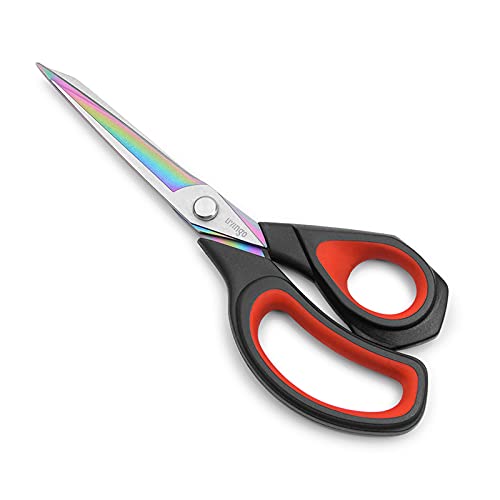
Designed as a heavy-duty, multi-purpose pair, these scissors feature durable stainless steel blades forged through a press process that yields heightened density and cutting precision. The blades are coated with a titanium finish, offering robust rust resistance and protection against adhesives such as glue and tape. The blades can easily slice through more than 16 layers of fabric, making them suitable for quilting, dressmaking, and intricate pattern work. The comfort grip is intended to reduce hand fatigue during long sewing sessions, and the titanium coating adds a distinctive blue-tinted aesthetic while improving longevity.
Gingher Dressmaker’s Fabric Scissors

Gingher’s 8-inch dressmaker shears feature knife-edge, forged steel blades crafted for precision cutting across multiple layers. They’re designed to maintain a crisp edge with regular use and pair well with cutting mats and rulers for accurate pattern work. A double-plated chrome-over-nickel finish offers durable corrosion resistance and a professional-grade feel. The long cut length is especially useful for trimming seams and cutting large pattern pieces, making them a staple in many craft and sewing rooms.
Fabric Scissors Professional (Wteehn)

Wteehn’s 8-inch professional fabric scissors emphasize high-quality galvanized manganese steel with precise hand-forged crafting. The blade angle is set at 45°, optimizing cutting efficiency and reducing fatigue. An ergonomic aluminum handle wrapped in plastic provides a non-slip grip to minimize fatigue over long sessions. The design targets thick fabrics and leather, offering a robust option for tailors, artists, and DIY enthusiasts who require dependable sharpness and comfort during extended use.
Fiskars RazorEdge Fabric Scissors

The RazorEdge line from Fiskars features ultra-sharp stainless steel blades with a finely honed edge designed to cut fabric cleanly to the tip. The advanced pivot reduces friction for smooth cutting and longer blade life. An ergonomic handle with distinct thumb and finger loops provides better control and comfort, particularly when working on long projects, making these scissors well-suited for dressmaking, quilting, and fabric craft tasks that demand precision and speed.
Fiskars 8″ Original Orange-Handled Scissors

Known as an all-purpose staple, these Fiskars scissors offer a versatile solution for cutting fabric, paper, and crafts. The high-grade stainless steel blades are precision-ground to maintain a sharp edge across a variety of materials, while the classic orange handle design remains comfortable for extended use. They are particularly popular for simple garment projects, home crafting, and school or hobbyist applications due to their reliability and broad utility.
Fabric Scissors Professional 10 Inch (Proshear)

Proshear’s 10-inch heavy-duty fabric scissors are built from high carbon steel with an anti-rust titanium coating for enhanced durability and edge retention. The bent handle design helps keep materials flat during cutting, promoting clean, precise results on large patterns or heavy fabrics. A chamfered blade head reduces the risk of snagging or scratching, while the ergonomic, rounded handles support comfortable, long-term use. This option targets professional tailoring needs and heavy-duty projects beyond basic fabric work.
Buying Guide: Key Purchase Considerations and Comparisons
Blade material and coating: High-carbon steel, stainless steel, or titanium-coated blades each offer different balances of edge retention and rust resistance. Titanium coatings reduce sticking and are easier to clean after projects involving adhesives. For multi-layer fabrics or leather, higher hardness and edge stability are beneficial.
Blade edge and shape: Knife-edge blades (like Gingher) excel at precision and pattern work, while thicker, forged blades handle heavy materials better. Consider whether you work with multiple layers regularly and require clean, uninterrupted cuts across patterns.
Ergonomics and handle design: Look for comfortable grips, non-slip surfaces, and balanced weight to reduce fatigue during long sewing sessions. Bent handles or soft-grip ergonomics can help keep fabric flat and prevent hand strain.
Angle and alignment: Blade angle affects cutting efficiency; some scissors advertise an optimized 45° angle for smoother, more accurate cuts. This can influence cutting speed and precision in dense fabrics or leather.
Maintenance and care: Keep blades sharp with regular stropping, clean blades after use to prevent adhesive buildup, and store with blades closed. Some coatings resist rust and adhesives better, extending the tool’s life in busy workspaces.
Project type and frequency: For hobbyists, a reliable all-purpose pair may suffice. Professionals cutting multiple layers or heavy materials on a regular basis may favor high-carbon steel or titanium-coated blades paired with ergonomic handles and precise alignment.
Size and reach: Common sizes range from 8 to 10 inches. Larger blades provide longer cuts and can handle heavy fabrics, while smaller blades offer greater control for detailed trimming and pattern work.
Value and brand availability: Reputable brands with durable coatings and consistent performance usually justify a higher upfront cost due to longer service life and reliability in demanding tasks.
Across the selection, each option targets different priorities—whether you need ultra-sharp precision for delicate patterns, robust performance for leather and multiple fabric layers, or a general-purpose tool for office and craft use. Evaluating blade material, coating, ergonomics, and project needs will help identify the best fabric scissors for individual sewing workflows.