Looking for sage green fabric by the yard that’s easy to work with and versatile for quilting, crafting, and sewing projects? This guide highlights five suitable options in sage green, spanning gingham cotton blends, poly-cotton broadcloth, soft viscose blends, and 100% cotton poplin. Each choice is selected for its balance of ease of use, durability, and suitable applications, with practical notes to help you decide which is best for your project and skill level.
| Product | Best For | Material Type | Notes |
|---|---|---|---|
| HHZZMIAO 57”W x 36”L Gingham Poly-Cotton Fabric | Beginner sewing, DIY crafts | Poly-Cotton | Gingham plaid, easy to sew, versatile for placemats, totes, and decor |
| Barcelonetta Broadcloth Sage | Apparel and light-weight projects | Poly-Cotton blend | 60″ wide, breathable, durable for clothing and home textiles |
| Fabrimuse 57″ Viscose Nylon Linen Blend | Flowy garments and chic decor accents | Viscose-Nylon-Linen blend | Soft with natural slub texture, ideal for spring/summer pieces |
| FFPDYBEST Cotton Poplin Sage Green | Quilting, backing, delicate sewing | 100% Cotton Poplin | Soft, smooth, durable; good for kids’ projects and crafts |
Buyer profiles that benefit most from these options include hobbyists seeking forgiving fabrics, parents crafting with kids, and makers pursuing light-to-medium weight textiles for garb, decor, and accessories. The selections span budget-friendly basics to more refined textures, enabling clear comparisons on drape, breathability, and maintenance.
HHZZMIAO Sage Gingham Poly-Cotton by the Yard

Material composition: Sage green gingham poly-cotton. The grid is 0.16×0.16 inches, offering a classic check pattern that’s forgiving for beginners. This fabric is well-suited for sewing practice, placemats, tote bags, patchwork, jar lid covers, pet bows, and various home decor items. It’s best for projects that benefit from a crisp, coordinated plaid motif and easy pressability. Caution: solid color matching and pattern alignment may require careful cutting to preserve the scale of the checks in large items.
Best for: Beginners and DIY crafts that benefit from a medium-weight, easy-to-sew fabric with a timeless plaid look. Why chosen: It balances affordability with a forgiving weave and clear pattern, which helps new sewers learn layout and seam allowances without worrying about heavy fabrics.
Barcelonetta Sage Broadcloth by the Yard

Material composition: Poly-Cotton blend (about 35% cotton, 65% polyester). This blend offers the softness of cotton with wrinkle resistance and durability from polyester. The fabric is lightweight, breathable, and easy to maintain—ideal for durable apparel, home textiles, and quick crafts. Best used for clothing linings, light totes, and casual home textiles where both comfort and practicality matter. Caution: colorfastness and shrinkage can vary with different blends and washing routines; pre-washing is recommended for projects that require precise dimensions.
Best for: Apparel basics, lining, and light home textiles where you want a breathable, easy-care fabric. Why chosen: The cotton-poly blend offers comfortable wear and resilience, making it a versatile workhorse for mixed projects.
Fabrimuse Sage 57″ Viscose Nylon Linen Blend

Material composition: Viscose, nylon, and linen blend. This fabric offers a luxurious, breathable feel with a soft drape and subtle texture from the natural slub. It’s suitable for lightweight, flowy garments such as sundresses, blouses, skirts, and spring/summer accents, as well as textured home decor like curtains and cushions. Caution: the blend can be more delicate and may require careful handling, especially when cutting and sewing with thin or slippery fibers.
Best for: Fashion-forward, lightweight garments and decorative home items. Why chosen: The slub texture and blend create a refined look with comfortable airflow for warm weather.
FFPDYBEST Cotton Poplin Sage Green
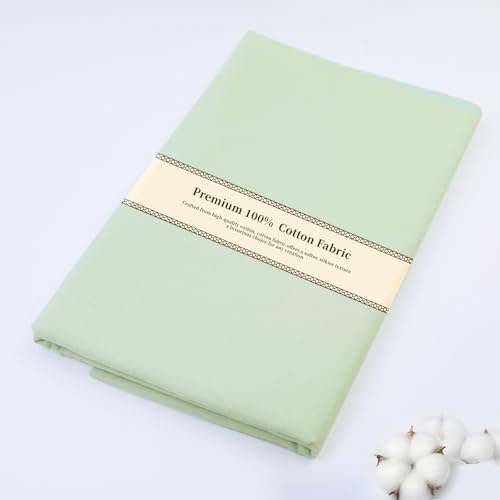
Material composition: 100% cotton poplin. This lightweight plain weave fabric is soft, durable, and breathable, excellent for quilting, sewing, crafts, backings, and linings. It’s known for a smooth surface that responds well to embroidery and applique. Best used for quilts, garment linings, and kids’ projects where a gentle touch and easy sewing are essential. Caution: poplin’s smooth surface may show lint more readily, so consider fabric care and lint removal in advance.
Best for: Quilting and craft projects requiring a smooth, durable cotton surface. Why chosen: 100% cotton poplin provides a comfortable hand, easy sewing, and reliable drape for a wide range of projects.
Buying Guide: Sage Green Fabric By The Yard
What should you consider when buying sage green fabric by the yard? Here are practical factors to guide your decision.
Weight and drape
- Lightweight fabrics (poplin, broadcloth) are ideal for garments, linings, and summer decor.
- Medium to heavier blends (poly-cotton, gingham blends) work well for crafts, table linens, and sturdy totes.
- Flowy blends (viscose/linen) provide a soft drape for dresses and curtains but may require careful handling.
Fiber content and care
- Cotton and poly-cotton blends are generally easy to sew and wash, with good color retention.
- Natural blends (viscose/linen) offer a premium hand but may require gentle care and testing for colorfastness.
- Consider pre-washing for shrinkage and to prevent dye transfer in future projects.
Pattern scale and repeat
- Patterns with visible repeats (like gingham) benefit from careful cutting and layout to maintain alignment on larger items.
- Solid or solid-friendly textures may simplify matching across seams in quilts and garments.
Durability and care routines
- Durable blends are great for daily items (tote bags, placemats) and kids’ crafts.
- Delicate blends excel in apparel and decorative pieces where texture matters more than ruggedness.
Project suitability
- Choose beginner-friendly fabrics for first projects to minimize issues with seams and pressing.
- Choose fabrics with sufficient weight for the intended use to avoid sagging or sheer results.
Summary in brief
- Best for beginners: HHZZMIAO Sage Gingham Poly-Cotton and FF PDYBEST Cotton Poplin Sage Green.
- Best for apparel: Fabrimuse Sage blend offers drape and texture.
- Best for mixed-use: Barcelonetta Sage broadcloth blends durability with comfort.
Frequently asked questions
- What is the easiest sage green fabric for beginners?
Poly-cotton blends and poplin are typically easiest to sew and press, offering stable seams and less fraying. - Which fabric is best for quilting with a sage palette?
Cotton poplin or gingham poly-cotton blends work well for quilting due to their smooth surfaces and easy layering. - How should I care for sage green fabrics to prevent color bleed?
Pre-wash when possible, use cold water, and consider color-catching sheets for initial washes. - Can I use these fabrics for home decor projects?
Yes. Poly-cotton blends and broadcloths can handle pillow covers, placemats, and curtains; check fabric weight for durability. - Is a textured fabric suitable for crafts?
Textured fabrics like viscose-linen blends offer a refined look but require careful handling during cutting and stitching. - Which sage green fabric is best for clothing?
Fabrimuse Sage Blend is ideal for lightweight, drapey garments; Barcelonetta broadcloth also supports breathable clothing.