Choosing safe, non-toxic paints for children is essential for worry-free art time. This guide highlights five highly regarded, kid-friendly options that emphasize washable formulas, pigment quality, and classroom-friendly practicality. Each pick is evaluated for safety, ease of cleaning, and versatility across ages from toddlers to early learners.
Summary of chosen products
- Crayola Washable Kids Paint (6ct) — Crayola. Washable, vibrant set designed for daily kid projects.
- ABEIER Washable Finger Paint — ABEIER. Non-toxic, skin-safe, and easy to clean with 12 colors.
- TMOL Washable Paint for Kids — TMOL. Large color options with transparent bottles and durable packaging.
- Jar Melo Washable Finger Paints — Jar Melo. 10-color large-capacity finger paints with a focus on safety.
- Crayola Washable Finger Paints (6ct) — Crayola. Classic finger paints with easy clean-up and 6 colors.
Crayola Washable Kids Paint (6ct)
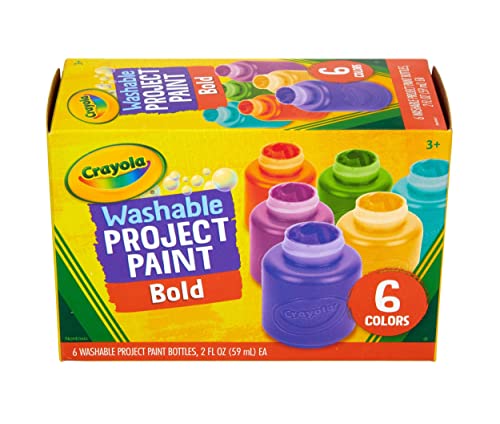
Crayola’s Washable Kids Paint offers six bold colors including Yellow, Green, Yellow Orange, Red Orange, Fuchsia, Teal, and Blue Violet. The formula is designed for easy washing from skin and most fabrics, making it suitable for daily art time and school projects. The set’s emphasis on vibrant hues helps young artists explore color mixing while keeping cleanup manageable after crafts or classroom activities. This option is well-suited for preschool and early elementary projects focused on foundational art skills.
ABEIER Washable Finger Paint (12 Colors)

ABEIER’s finger paint set provides 12 vibrant colors in a thick, creamy texture designed for finger painting with a tactile emphasis. The paints are non-toxic and ASTM D-4236 compliant, ensuring safety for little hands and curious minds. They are marketed as washable with minimal residue on skin and surfaces, which supports clean-up after busy art sessions. ABEIER focuses on sensory-friendly play while offering bright, blendable colors that encourage exploration and creativity.
TMOL Washable Paint for Kids (42 Colors)

TMOL offers a comprehensive washable paint set with 42 colors, including brushes, palettes, and a foldable bucket. Transparent squeeze bottles with labeled colors aid color recognition and learning. The aluminum-sealed caps help prevent drying and spills, while the resealable design keeps paint fresh for repeated use. The formula delivers rich coverage on various surfaces such as paper and cardboard, and is designed to dry smoothly without cracking, supporting longer-lasting kid art projects and school assignments.
Jar Melo Washable Finger Paints (10 Colors)

Jar Melo’s finger paint set includes ten tubes of large-capacity paint in vivid hues. The paints are non-toxic and designed for hand and finger painting, supporting early sensory development and fine motor skills. A generous tube size means longer play sessions between re-upping supplies. The coloring experience emphasizes safety and comfort for toddlers and preschoolers while delivering strong color payoff on art paper and other craft surfaces.
Crayola Washable Finger Paints (6 Colors)
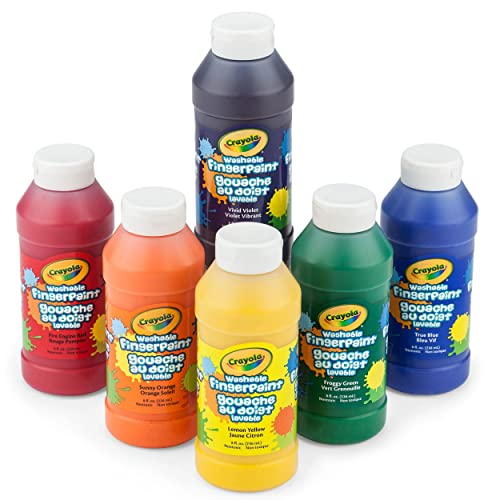
Crayola’s Washable Finger Paints use six classic colors in 8-ounce bottles, designed for finger painting with easy washability from skin and washable fabrics. The EZ Squeeze bottles with flip-top caps help keep messes in check and maximize creativity time. The set is a staple for classrooms and home use, offering reliable performance for young artists who prefer direct, hands-on painting experiences with minimal cleanup.
Buying Guide: Key Purchase Considerations
- Safety certifications and non-toxicity: Look for paints labeled non-toxic and, when available, ASTM D-4236 compliance to ensure suitability for young children who may explore by touching and mouthing surfaces.
- Washability and clean-up: Prioritize formulas marketed as washable from skin and clothing. Consider whether the product includes color-fast pigments or potential staining on fabrics and surfaces.
- Color variety and teaching value: A broader color range enables color mixing exercises, opportunities for color recognition, and creative storytelling through art projects.
- Texture and application: Finger paints with a creamy texture can be easier for toddlers to manipulate, while tempera paints with brushes suit older children learning brush control and strokes.
- Packaging and durability: Reusable palettes or baskets, flip-top caps, and resealable bottles help reduce spills and extend the life of the product in busy homes or classrooms.
- Age range and accessibility: Ensure the product suits the child’s age and motor skills. Some sets are designed for ages 1-3, while others target older preschoolers and early elementary students.
- Surface compatibility: Most kid paints work well on paper and cardboard, with some options suitable for wood, fabric, or canvas. Match the choice to the intended project.
Choosing By Use Case
- At-home creative time: A compact 6-color set like Crayola Washable Kids Paint provides essential hues for quick projects and daily crafts without overwhelming beginners.
- Mess-conscious households: Finger paints from ABEIER and Crayola emphasize skin-friendly and washable formulas that are easier to clean up after art sessions.
- Classroom or daycare: Larger sets such as TMOL’s 42-color option, with organized packaging and multiple accessories, suit group activities, centers, and color-learning centers.
- Sensory and early development: Finger paint textures and richer color palettes (as found in Jar Melo and Honeysticks options) support tactile exploration and motor skill development in younger children.
- Natural and organic preferences: Veggie Baby paints emphasize natural, vegetable-derived pigments for households seeking organic-inspired options.
All highlighted products provide non-toxic formulations and washable properties aimed at safe, enjoyable kids’ art experiences. When selecting, weigh the age and skill level of the child, the typical art surface used, and how much ongoing cleanup time you’re willing to invest after painting sessions.