If you’re casting concrete surfaces or decorative panels, rubber molds designed for concrete offer durability, release ease, and repeatable detail. This guide highlights top rubber molds that deliver authentic stone textures, long life, and clean releases—without the mess or expense of constant release agents. Explore options from trusted brands that consistently produce hundreds of pours with reliable results.
| Product | Material | Use | Notes |
|---|---|---|---|
| Stone Master Molds Panel Veneer Stone | Plastisol Rubber | Exterior/Interior Panel Veneer | 100s of pours, recycled content |
| Veneer Stone EZ Stack Flats | Plastisol Rubber | Stacked Stone Flat Veneer | No release agent needed |
| Limestone Flats | Plastisol Rubber | Flat Stone Veneer | USA-made, recycled material |
| Slate Wall Cap Mold | Urethane/Plastic Hybrid Mold Note | Wall Caps | Production quality, long life |
| Chiseled Edge Countertop Edge Form | Rubber Mold | Edge Forms For Countertops | Fastening to substrate, reusable |
Panel Veneer Stone Rubber Mold For Concrete Or Plaster

Product: Stone Master Molds Panel Veneer Stone Rubber Mold for Concrete or Plaster, Western Quick Fit Flats, 21.5×20, Version 4, Recycled Material. This professional-grade rubber mold reproduces natural stone detail for stacked stone veneer panels. It offers no release agent requirements, simplifying release of face color pigments and reducing cleanup. Crafted in the USA from plastisol rubber with recycled content, it supports hundreds of pours and reliable texture fidelity.
Veneer Stone EZ Stack Flats Rubber Mold

Product: Veneer Stone Rubber Mold for Concrete or Plaster, EZ Stack Flats, 22.75×20.5, Version 1. This professional-grade mold is designed to endure hundreds of pours. It reproduces the natural stone’s finest details and is made in the USA from plastisol rubber with recycled content. It requires no release agent, which reduces costs and simplifies workflow while ensuring clean pigment releases.
Limestone Flats Rubber Mold For Concrete Or Plaster
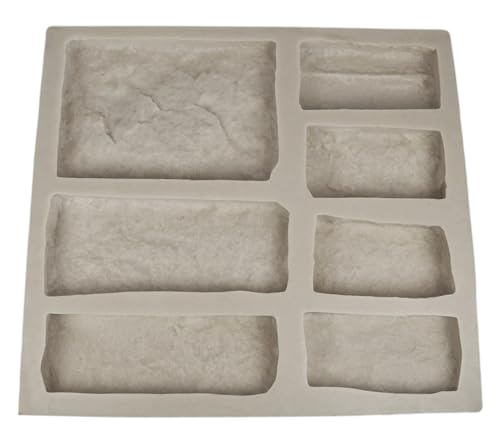
Product: Veneer Stone Rubber Mold for Concrete or Plaster, Limestone Flats, 22.75×20.5, Version 2. This professional-grade mold is built to last through hundreds of pours. It’s produced in the USA from plastisol rubber, including recycled plastisol, and offers no-release-agent performance for easy pigment release and cleanup. Ideal for realistic limestone textures on veneers.
Slate Wall Cap Mold

Product: Stone Master Molds Rubber Molds For Concrete, Slate Wall Cap Mold, 24″ L x 12″ W x 2″ D. This mold enables creating concrete wall caps with authentic slate texture. It requires no release agent and allows easy pigment release, offering production-quality durability suitable for hundreds of uses. It’s designed to be faster to work with and minimizes cleanup compared to other mold types.
Chiseled Edge Concrete Countertop Edge Form

Product: Stone Master Molds Rubber Molds for Concrete, Chiseled Edge Concrete Countertop Edge Form Liner and Step Form Liner, 8 feet Long x 6 inches Wide x 2 inches Thick. This extended, wide rubber mold is designed for fast mounting to substrate, with no silicone required. It emphasizes no release agent, cost savings, and clean pigment release, while supporting repeated use in heavy-duty countertop projects.
Buying Guide
Key considerations when choosing a rubber mold for concrete include texture fidelity, mold material and durability, release requirements, and compatibility with different concrete mixes. The following perspectives help ensure a balanced choice:
- Texture fidelity and size: For panel or veneer applications, select molds that reproduce fine natural stone details at the required scale. Larger formats (like 24″ panels) reduce seams but demand sturdier backing and even pour handling.
- Material and environmental impact: Plastisol rubber molds with recycled content offer a good balance of durability and eco-conscious manufacturing. USA-made options often come with stricter quality control and shorter lead times for replacements.
- Release requirements: If a mold claims no release agent, verify the pigment-release performance and consider whether you plan to color the face layer or pigment directly in the concrete. Easier color release reduces cleanup time.
- Durability and reuse: Look for production-quality molds designed for hundreds of pours. Compare thickness, flexibility, and edge durability, especially for edge forms and long runs like 8-foot sections or 27″ squares.
- Installation workflow: Edge forms and wall caps should be straightforward to mount to substrates, minimizing setup time. Long, evenly textured molds require stable support and proper alignment to avoid warping during pours.
- Fit and compatibility: Ensure the chosen mold size matches your project dimensions and substrate thickness. Flats, caps, and edge forms complement different concrete densities and finishing goals.
- Maintenance and clean-up: Choose molds that allow clean release of pigments and easy release on the face texture. Reusable molds save time and labor but require routine inspection for wear or tear in corners and texture points.
When selecting among these options, consider the project type—facades, countertops, patios, or interior features—along with expected production volumes. Choosing a consistent family of molds from a single brand can simplify color matching and texture continuity across multiple pours, ensuring a cohesive final appearance across surfaces.