Looking for the best release film to use with epoxy resins? This guide highlights top films and related release materials that help prevent sticking, reduce cleanup, and leave a smooth gloss. Best for DIY hobbyists, professional fabricators, and makers working with fiberglass, carbon, Kevlar, or resin pours.
Summary table of selected products:
| Product | Best For | Key Benefit | Approx. Size |
|---|---|---|---|
| Fibre Glast Low Temp Release Film – 1 Yard | Small, precise layups | Glossy finish and easy part removal | 60 in x 36 in |
| Fibre Glast Low Temp Release Film – 5 Yards | Medium to large laminates | Stronger coverage and uniform cure | 60 in x 180 in |
| Fibre Glast Low Temp Release Film – 3 Yards | Standard laminates and hand layups | Glossy finish; easier tool removal | 60 in x 108 in |
| VitalCozy 30 Inch Peel Ply Release Cloth | Hand layups and curved surfaces | Bond-ready surface without sanding | 3 yards (90 in) |
| Pixiss Extra Wide Epoxy Mold Release Tape | Epoxy resin molds and edges | Heat resistant and residue-free | Width specific to project |
Fibre Glast Low Temp Release Film, 1 Yard
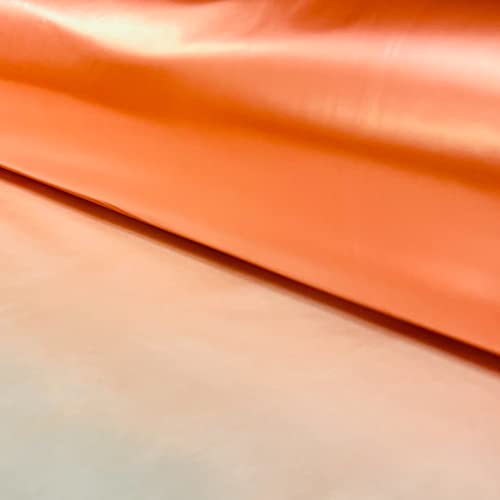
Features: Lay this sheet over your laminate or peel ply to seal in resin. After curing, removal is easier and a gloss finish is added. Suitable for temps up to 315F. Size: 60 in x 36 in.
Best For: Small, precise epoxy layups, hobbyist projects, and finish-conscious parts. This film is ideal when you want a smooth surface and straightforward part release.
Why Selected: It provides a gloss finish and easy removal, which helps beginners and experienced users alike achieve a clean look without post-treatment. Best for compact molds or laminates.
Caution: Limited to smaller dimensions; plan accordingly for larger parts to avoid seams that could trap resin pockets.
Fibre Glast Low Temp Release Film, 5 Yards
Features: After curing, the film eases removal and adds gloss. Works up to 315F. Size: 60 in x 180 in.
Best For: Medium to large laminate panels where a glossy finish and clean release are desired.
Why Selected: Offers extended coverage and improved uniformity for bigger parts, making it suitable for more ambitious projects.
Caution: Larger sheets require careful handling to avoid creases that could affect release quality.
Fibre Glast Low Temp Release Film, 3 Yards
Features: Perforated release film that yields a glossy finish and easier part release. Vacuum bagging with temps up to 315F. Size: 60 in x 108 in.
Best For: Standard hand layups and moderate-sized laminates where a glossy finish is desired post-cure.
Why Selected: Balances material efficiency with performance, making it a good all-around choice for typical epoxy projects.
Caution: Perforations may not be ideal for very tight resin budgets; ensure the perforation pattern suits your resin flow needs.
VitalCozy 30 Inch Peel Ply Release Cloth

Features: 3 yard wide peel ply cloth, breathable with epoxy; designed to be laid over laminate, leaving a smoother surface but without sanding.
Best For: Hand layups on flat or gently curved surfaces where a ready-to-bond surface is advantageous.
Why Selected: Provides a bond-ready surface that reduces sanding steps, improving workflow for small-to-medium projects.
Caution: Peel ply can affect surface texture; plan for final finish if you need a perfectly smooth surface without subsequent bonding steps.
Pixiss Extra Wide Epoxy Mold Release Tape

Features: High-temperature resistant tape with silicone adhesive; UV and chemical resistant; PET backing for easy removal.
Best For: Edges and seams in epoxy molds, river tables, or resin pours where a clean edge release is critical.
Why Selected: Strong candidate for practical mold work and deep pours where tape performance matters in hot resin conditions.
Caution: Tape width varies by roll; match tape width to mold dimensions to avoid waste or gaps.
PET Release Film – A4 Size, 20Pcs
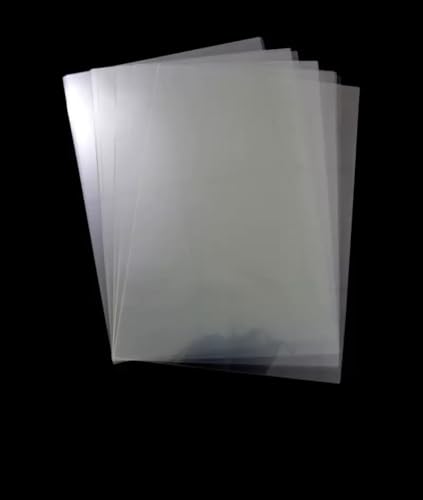
Features: Premium PET film with a non-stick surface and single-sided release. A4 size 20-piece pack.
Best For: Small craft, lab projects, and precise applications where a clean, residue-free release is essential.
Why Selected: Useful as a versatile, low-cost option for quick-release needs and for testing new resin layouts.
Caution: Small sheet size; may require multiple sheets for larger projects to avoid joints on the part surface.
Buying Guide: Key Considerations For Selecting Epoxy Release Films
- Project size and layup method: Choose larger films for big laminates and peel ply for hand layups to control surface texture.
- Temperature tolerance: Ensure the film’s max temperature matches your cure cycle to prevent degradation.
- Finish requirements: Glossy finishes require non-adhesive films or perforated films; peel ply reduces sanding needs.
- Surface texture: Peel ply often leaves bonding-ready surfaces; non-woven or perforated films influence resin flow and texture.
- Ease of removal: Films with glossy finishes or easy-peel properties shorten demolding time and reduce part damage risk.
- Residue risk: Choose films and tapes designed to leave minimal or no adhesive residue after removal.
- Cost-effectiveness: Weigh per-square-foot cost against benefits like gloss finish, ease of release, and required curating time.
Frequently Asked Questions
- What is the primary purpose of release film in epoxy work?
– It prevents the epoxy from sticking to the mold or laminate, aids demolding, and can improve surface finish. - When should I use peel ply versus release film?
– Peel ply is ideal for creating a bonding-ready surface, while release film is better for a glossy finish and easy removal. - Can release film be used with vacuum bagging?
– Yes; many release films are designed for vacuum bagging to remove excess epoxy and air for stronger parts. - Are there any risks with using release tapes on epoxy molds?
– Some tapes may leave residue or affect surface texture; test on a small area before full application. - How do I determine the right film size for a project?
– Choose film larger than the laminate footprint to avoid seams and provide full coverage during cure. - Is high-temperature resistance always necessary for epoxy releases?
– Not for all resins; select a release film that matches your resin’s cure temperature to ensure reliable release.