When choosing a primer filler for 3D prints, look for products that seal moisture, improve adhesion, and create a smooth, paint-ready surface. This guide highlights five options suited for common 3D printing materials like Nylon, PETG, and PETG blends, as well as general-use water- or oil-based primers that help reduce warping and improve layer uniformity. The best choice depends on your filament, project size, and finish goals. The buyer’s notes and a quick comparison table follow to help you decide at a glance.
| Product | Best For | Key Benefit |
|---|---|---|
| kuailaya 3D Print Primer | Nylon, PPA, PET, PETG prints | Water-based, moisture protection, strong adhesion |
| Rust-Oleum 260510 Stops Rust 2-in-1 Primer | Wood, metal, fiberglass surfaces | Filler and sandable; fast-drying |
| Rust-Oleum 249279 Automotive Filler Primer | Automotive-style projects, small parts | Rust-resistant base coat; good topcoat adhesion |
| Rust-Oleum 260737 Sandable Primer | General plastic and metal parts | All-purpose, fast-drying, stops rust formula |
| U-POL Expert Color Filler Primer | Small to mid-size repairs | Excellent fill and adhesion; professional grade |
kuailaya 3D Print Primer

Brand: kuailaya. This water-based primer is designed to form a deep moisture barrier, reducing warping and delamination in 3D prints. It bonds well to Nylon, PPA, PET, and PETG, which makes it suitable for common engineering filaments. The formula dries quickly and is easy to apply with the included brush. Best for: hobbyists and professionals seeking a simple, effective seal before painting.
Limitations: For extremely thick prints, multiple thin coats may be necessary to avoid sagging. Use with proper ventilation due to odor from heavier coatings and ensure thorough mixing before application.
Rust-Oleum 260510 Stops Rust 2-in-1 Primer

Brand: Rust-Oleum. This 2-in-1 filler and sandable primer provides a rust-resistant base coat ideal for metal, wood, and fiberglass surfaces. The product dries to touch quickly and can be recoated in about 10 minutes, which helps speed up multi-step builds. Best for: metal or composite 3D print parts that require a strong base for topcoats.
Limitations: Oil-based formula can require proper ventilation and longer dry times in humid conditions. Coverage is up to 10 sq ft per can, so plan for larger prints accordingly.
Rust-Oleum 249279 Automotive Filler Primer (2-Pack)
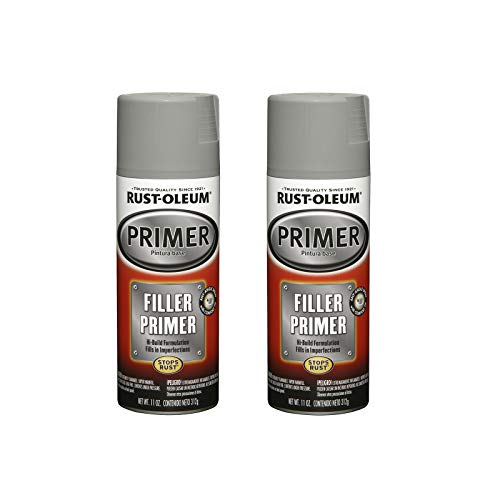
Brand: Rust-Oleum. This two-pack filler primeris designed for metal, wood, and fiberglass surfaces, providing rust resistance and improved adhesion for topcoats. It dries to the touch in about 10 minutes and covers up to 12 sq ft. Best for: bulk projects or hobbyists who prefer a ready-to-use dual-pack for repeated runs.
Limitations: Oil-based formula may yield strong fumes; use in a well-ventilated area with protective gear. Not ideal for very delicate filaments unless used as part of a broader surface prep process.
Rust-Oleum 249279 Automotive Filler Primer
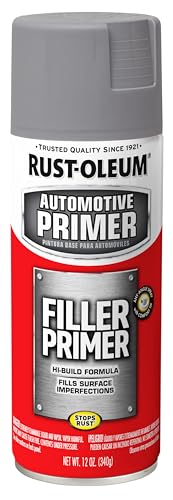
Brand: Rust-Oleum. This filler primer is suitable for wood, metal, and fiberglass, offering a rust-resistant base coat for vehicles. It covers up to 12 sq ft and dries to the touch in about 10 minutes. Best for: larger 3D prints or parts with deeper imperfections needing a solid fill before topcoating.
Limitations: Oil-based formulation requires adequate ventilation and may require longer clean-up time after use.
Rust-Oleum 260737 Sandable Primer

Brand: Rust-Oleum. This all-purpose primer is fast-drying and includes a rust-preventive base coat. It’s suitable for plastic and metal surfaces and provides a solid base for further finishing. Best for: general 3D prints that require a reliable, quick-drying primer with good topcoat adhesion.
Limitations: May not fill deep surface defects as effectively as dedicated filler primers; consider spot filling for large gouges.
U-POL Expert Color Filler Primer

Brand: U-POL. This expert-grade filler primer is designed to fill minor surface imperfections and improve color match accuracy. It sands easily and dries quickly, making it suitable for both precise touch-ups and larger paint jobs. Best for: projects requiring a high-quality base coat with tight finish tolerances.
Limitations: Professional-grade formulations may require careful handling and appropriate drying conditions for optimal results.
Buying Guide
- Filament compatibility: Choose primers designed to bond with your print material (Nylon, PETG, PET, etc.).
- Moisture protection: Water-based vs. oil-based options impact moisture resistance and curing time.
- Coverage and film thickness: Consider your print size and desired fill level; larger prints benefit from primers with higher coverage per can.
- Drying time: Fast-drying formulas speed up workflows but may require careful handling to avoid warping on large surfaces.
- Adhesion and topcoat readiness: Look for products advertised for improved topcoat adhesion to ensure a smooth final finish.
- Safety and ventilation: Oil-based products typically demand better ventilation and protective gear; plan accordingly.
Frequently Asked Questions
- What primer should I use for PETG 3D prints? A filler primer with strong adhesion to plastics is best. Look for products designed for plastic surfaces with good filling properties.
- Do I need a filler primer for every 3D print? Not always. For small, smooth prints, a light surface primer may suffice. For deeper imperfections, a dedicated filler primer helps create a uniform base.
- Is an oil-based primer better than a water-based primer? Oil-based primers typically offer stronger adhesion and fill, but require ventilation and longer cleanup. Water-based primers are easier to use and have lower odor but may require more coats for deep fills.
- Can I spray primers directly on nylon or PETG without sanding? Lightly sand between coats to promote adhesion. Some primers are formulated to bond well to these materials, but surface preparation improves results.
- How many coats should I apply? Start with a thin coat, allow it to dry, and assess coverage. Apply additional thin coats as needed to achieve a uniform surface.
- What about fumes and safety? Always use primers in a well-ventilated area and wear appropriate personal protective equipment, especially with oil-based products.