For aspiring and professional tattoo artists, practicing on realistic skin is essential before working on clients. This guide reviews highly rated practice skins that mimic real skin’s texture, elasticity, and ink absorption. Each option supports different training goals—from line work to shading and depth control—and accommodates both beginners and experienced artists looking to refine technique without risking client skin.
Summary Table Of Selected Products
| Product | Brand | Key Feature |
|---|---|---|
| Blank Tattoo Practice Skin – Jconly 30Pcs | Jconly | 1mm thick, dermis-like texture, double-sided, durable for lines and shading |
| 10Pcs Tattoo Skin 3MM – Urknall | Urknall | 3mm thick, skin-like silicone, doublesided use, improved depth control |
| 3MM Fake Skin Tattoo Practice Skins – 10pcs | BONTOP | 3mm thick, sturdy silicone, double-sided use, good for padding and width |
| Blank Tattoo Skin, Gospire 10pcs 8x6in | Gospire | Rubber-type, soft and elastic, good surface for color |
| Autdor 10Pcs Blank Practice Skins 8×6″ | Autdor | 1mm thick, double-sided, individually sealed for hygiene |
Best Practice Skin For Tattooing: Jconly 30Pcs Review

Jconly’s 30-piece set offers 1mm thick synthetic skin with a dermis-like texture, designed to deliver real needle feedback and ink absorption. The double-sided sheets maximize practice space, supporting both outlining and shading drills. Made from premium PU leather, these skins are engineered for elasticity and durability, reducing tearing during frequent practice motions. This set is well-suited for beginners developing baseline technique and for experienced artists testing new machines or pigments before live sessions. The compact batch size encourages focused practice sessions without overwhelming inventory.
Urknall 10Pcs 3MM Practice Skins Review

Urknall’s package provides ten 3mm thick practice skins, each sized for ample tattooing space and designed to resemble real skin’s density. The thicker profile improves needle depth control and reduces puncture risk during practice. Crafted from silicone, these skins offer a skin-like touch with stretchability that supports a range of techniques, including eyebrows and eyeliner work. Reusable and durable, they are suitable for repeated sessions and can help practitioners transfer skills to more challenging body areas.
BONTOP 3MM Fake Skin Practice Skins Review
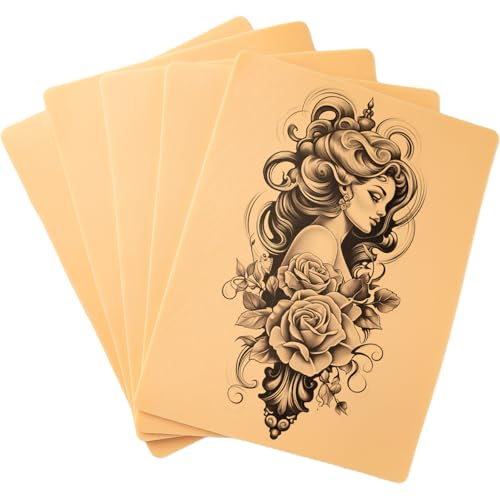
This set includes ten 3mm silicone practice skins, with a sturdy yet supple texture that resists needle snagging. Each skin measures 7.87 by 5.9 inches and is individually wrapped for hygiene. The double-sided design provides extra surface area for practicing line depth and shading, making it a practical option for compiling a small portfolio of work or for multiple technicians to share. The skins’ elasticity helps mimic real skin feedback and encourages correct technique when stretching the skin for a clean line or a smooth gradient.
Gospire Blank Practice Skins Review

Gospire’s 10-pack features 8×6 inch skins made from rubber-like material. The surface is soft and elastic, offering a gentle yet detectable skin feel for color layering and shading practice. These skins are designed for both beginners and seasoned artists, with a focus on user-friendly handling and clear color transfer. The pack’s individual wrapping helps maintain hygiene between sessions, making it suitable for studio use or personal practice kits.
Autdor 10Pcs Blank Practice Skins Review

Autdor provides 10 individually sealed, 8×6 inch practice skins with a thickness of 1.0mm. The double-sided design optimizes usage, enabling practice of both lining and shading without wasting material. The skins are described as true skin-like in responsiveness, allowing needle feedback similar to real skin. They are suitable for practicing a variety of techniques, including microblading and eyebrow shading, while maintaining hygiene through sealed packaging. This option is ideal for busy studios needing efficient disinfectable practice skins.
Buying Guide
- Thickness and texture: Thicker skins (2–3mm) provide realistic needle resistance and depth control, while 1mm skins are closer to real epidermis for light line work and color blending. Choose based on the techniques you practice most.
- Double-sided design: Skins that can be used on both sides maximize practice space and value, especially for beginners building a diverse portfolio.
- Material and elasticity: Silicone and PU-based skins typically offer better elasticity and durability than basic rubber-like skins, helping you simulate stretching without tearing.
- Size and compatibility: Ensure the skin size fits your usual practice area and transport method. Larger sheets are better for long sessions, while compact sheets suit on-the-go practice.
- Hygiene and packaging: Individually sealed or vacuum-sealed packages reduce contamination between sessions and are convenient for studio workflows.
- Color transfer and texture: A skin with a realistic texture enables more accurate color packing and shading practice, improving muscle memory for real clients.
- Budget and quantity: For beginners, a smaller starter kit may suffice; intermediate and professional users may prefer larger sets for varied exercises and client-style simulations.
The selections above emphasize realistic texture, durability, and practical design features like double-sided use and hygiene. When choosing skin practice supplies, consider your primary focus—line work, shading, depth control, or microblading—and how often you need to replace or refresh practice materials. A balanced kit that includes both 1mm and 3mm options can cover a wide range of techniques and help bridge practice with real-world performance.