Choosing the right polymer coating is crucial for achieving vibrant, durable sublimation results on diverse substrates. This guide highlights five leading coatings that are popular among hobbyists and small shops alike, emphasizing adhesion, drying time, finish, and substrate compatibility. Each product is selected for broad surface compatibility, ease of use, and clear application instructions. Explore the options below to find a coating that matches your project needs and production flow.
| Product | Brand | Substrates | Finish |
|---|---|---|---|
| Subli Glaze Clear Sublimation Coating | Heat Transfer Source | Glass, Ceramic, Metal, Wood, More | Clear, Bonding layer for ink transfer |
| Subli Glaze Matte Sublimation Coating | Heat Transfer Source | Ceramics, Metals, More | Matte, Bonding layer for ink transfer |
| PolyGloss Sublimation Coating | Dyepress | Ceramic, Glass, Wood, Metal | Glossy, Bonding layer for ink transfer |
| SLANZVAL Sublimation Coating | SLANZVAL | Phone cases, Mugs, Ceramics, Glass, Leather, More | High-gloss, smooth, durable |
| HTVRONT Sublimation Coating Spray | HTVRONT | Cotton shirts, Canvas, Pillow, Carton | Glossy, quick-dry, washable |
Below are concise highlights for quick comparison: Subli Glaze Clear is a dedicated, solvent-based coating designed to enable sublimation on a wide array of surfaces; Matte Subli Glaze offers a non-gloss finish with similar bonding properties. PolyGloss from Dyepress provides a water-based alternative for hard substrates. SLANZVAL coating emphasizes high-gloss protection and broad substrate compatibility. HTVRONT offers an upgraded spray with quick-dry performance for textiles and related materials.
Subli Glaze Clear Sublimation Coating
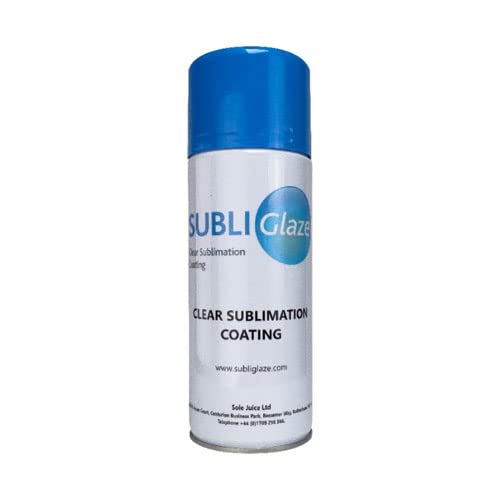
The Subli Glaze Clear Sublimation Coating from Heat Transfer Source creates a polymer layer that sublimation inks bond to, enabling transfer onto polymer substrates. It’s essential for achieving successful image transfer; without this bonding layer, the design may not adhere properly. The coating is designed for decorating a wide range of surfaces, including glass, ceramic, metal, and wood, expanding the possibilities for custom sublimation projects.
In practice, users apply the coating to the substrate, allow it to cure as directed, then apply sublimation inks and heat press. The key advantage is the predictable adhesion and clear transfer window, which helps consistent results across multiple runs. Consider testing on sample pieces prior to production runs to optimize timing and application thickness for your specific substrate.
Subli Glaze Matte Sublimation Coating

The Subli Glaze Matte Sublimation Coating is a solvent-based, three-part system designed for ceramics and metals, providing a polymer layer for bonding sublimation inks. The matte finish reduces glare and may be preferred for certain product aesthetics. Like the clear version, this coating enables reliable image transfer and protects against early wear from handling and washing when paired with suitable heat-press parameters.
Application involves preparing the substrate, applying the matte coating in the recommended thickness, and allowing appropriate cure time. Matting the finish can influence the perceived vibrancy of colors, so plan for a potentially softer appearance on some colors. This coating is best suited for projects where a non-gloss surface is part of the design intent, especially on ceramics and metal items.
PolyGloss Sublimation Coating

Dyepress PolyGloss Sublimation Coating is a water-based coating designed for hard substrates including ceramic, glass, wood, and metal. The kit typically includes the coating, catalyst, mixing supplies, and detailed instructions. The process involves measuring and mixing catalyst with the coating, applying with a brush or sprayer, and allowing a set time before use. This kit-oriented approach supports consistent results for users who value an all-in-one solution.
Highlights include versatility and a guided application process. Proper mixing and curing are critical to ensuring ink adhesion and an even surface. The water-based formula may be favored by users seeking lower odor and easier cleanup. Testing on sample pieces is recommended to align coating thickness with ink density and heat-press settings for optimal color fidelity.
SLANZVAL 250ml Sublimation Coating

SLANZVAL Sublimation Coating is a universal spray designed for hard substrates such as phones, mugs, ceramics, glass, leather, and more. It delivers a high-gloss finish and promotes strong adhesion, while also offering protection against abrasions and smudging. The wide substrate compatibility makes it a strong option for mixed-material projects and small business production lines that require flexibility in product offerings.
Usage involves spraying an even layer on prepared substrates and allowing proper drying before heat pressing. The coating’s glossy finish contributes to vibrant color reproduction, but it may require careful handling to avoid overspray. Always work in a well-ventilated area and follow safety guidelines for spray coatings to ensure consistent results across batches.
HTVRONT Sublimation Coating Spray

HTVRONT offers an upgraded sublimation coating spray in a two-pack 150ml format, designed for cotton shirts, canvas, pillows, and related materials. The product emphasizes vivid color, strong adhesion, fast drying, and a glossy protective layer. The packaging mentions a larger capacity and straightforward use, aiming to support faster production cycles for textile-focused sublimation projects.
Key considerations include fabric color compatibility (bright prints on light-colored fabrics yield the best results), drying times, and wash durability (the coating is intended to withstand washing after curing). The spray is suitable for both hobbyists and small shops that prioritize quick setup and repeatable performance across multiple textile items.
Buying Guide: Key Purchase Considerations
- Substrate compatibility: Ensure the coating supports your primary materials (glass, ceramic, wood, metal, textiles, etc.).
- Finish preference: Choose between glossy and matte finishes based on product design and handling expectations.
- Bond strength and transfer efficiency: Look for coatings explicitly marketed to bond sublimation inks to polymers to minimize transfer failure.
- Application method: Sprays vs. brushes vs. multi-part kits; consider your production workflow and cleanup capabilities.
- Drying and cure times: Faster-drying options can improve throughput, but ensure complete curing to resist washing and wear.
- Safety and handling: Review ventilation, odor, and skin contact guidelines; select products that fit your workspace setup.
- Maintenance and reuse: Some coatings require mixing catalysts or specific storage; factor in long-term usage costs and shelf life.
- Test recommendations: Always run small tests on scrap pieces to calibrate spray thickness, cure time, and heat-press parameters for your equipment.
- Cost per piece: Compare coverage area and substrate yield to estimate per-item coating costs within your business model.
- Environmental impact: Water-based formulations are often easier to clean and may have lower odor profiles than solvent-based coatings.