Whether you are a hobbyist or a professional sewist, a pleating machine helps create even folds quickly and consistently. The top picks below are ideal for making ruffles, smocking, and decorative pleats on fabrics of various widths. Each product is selected for reliability, adjustable density, and compatibility with common workshop setups. The list includes options for beginners and seasoned creators alike, with clear guidance on who each tool suits best.
| Product | Best For | Key Benefit | Why It Was Selected |
|---|---|---|---|
| BEESOM 32 Row Smocking Pleater | DIY Apparel, Crafts | Wide density and width adjustment | Excellent for extensive pleating patterns and adjustable spacing |
| SICWEDIM 32 Row Smocking Pleater | Clothing Makers | Durable aluminum base, brass spindle | Balanced performance with strong build quality |
| SICWEDIM 32 Row With Back Box | Professional Ruffling | Complete with back box and needle set | Versatile for varied fabric widths and pleat designs |
| Pvxa 24/32 Row Smocking Pleater | Costume and Craft Projects | Easy setup, corrosion-resistant components | Ready-to-use and reliable for frequent use |
| Fabric Pleating Tool – Quick Pleater | Beginners and Quick Projects | Acrylic durable, precise folds | Ideal starter tool with simple operation |
Note: This article focuses on practical use, clear features, and buyer-oriented guidance to help you compare options quickly. Each entry references product attributes such as adjustable needle positions, base material, and suggested use cases to support an informed decision.
BEESOM 32 Row Smocking Pleater

Features: 32 rows with 64 needle positions at 0.2-inch spacing and a 24-row option at 47 needle positions. Both width and pleat density are adjustable; minimum needle position is 0.2 inches, accommodating widths from 0.2 to 9.4 inches. The base and panels use aluminum with a brass main shaft. Compact at 330x140x15 mm, suitable for small workspaces. A needle is included for immediate setup.
Best for: Beginners and DIY makers who need a versatile pleater for a range of fabric widths and pleat densities. The dual-row capability allows experimentation with dense pleats or lighter gathers, depending on project needs.
Caution: Ensure fabric length is managed to avoid fabric buildup near the needle, which can cause jams. Install the needle in the back roller gap as directed for smooth operation.
SICWEDIM 32 Row Smocking Pleater With Back Box

Features: 32-row pleat machine with 64 needle positions at 0.2-inch intervals. Adjustable width and pleat density; minimum needle position 0.2 inches. Comes with a back box and dedicated needle, and uses refined aluminum for the base and double-side panels, with a brass spindle for durability.
Best for: Clothing projects that demand robust flexibility in pleat patterns and widths, as well as outfits where a back box helps support longer runs or more complex designs.
Caution: While wide applicability exists, the machine’s pattern compatibility may vary with certain fabric textures; plan pleating in longer runs to maintain even density across fabric length.
SICWEDIM 32 Row Smocking Pleater (Wire Box, 24 Machine-Specific Needles)
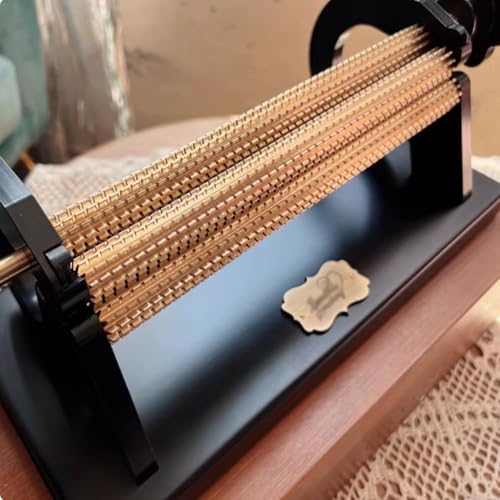
Features: 32-row pleating with 64 needle positions at 0.2-inch spacing; 24 rows of 47 needle positions. Adjustable width and density; minimum needle position 0.2 inches. Includes wire box and maintenance accessories to support ongoing use. Aluminum base and double-side panels with brass spindle for reliability.
Best for: Users who want a complete kit, including support accessories and additional needles for diverse pleat designs and longer projects.
Caution: Some users may need extra care when handling multiple accessories to prevent misalignment during setup; follow the included maintenance guidance for longevity.
Pvxa 24/32 Row Smocking Pleater

Features: 32 rows of fully dense sewing needles (64 positions) plus 24-row mode with 47 positions; adjustable width and pleat density; minimum needle position 0.2 inches. Made with a refined aluminum base and brass spindle for durability. The tool requires no installation; simply insert the needle into the back gap and begin adjusting fabric length.
Best for: Costume and craft sewing where immediate use and flexible pleating are advantageous, such as rapid mock-ups or frequent project variation.
Caution: While ready-to-use, users should manage fabric length to avoid wrinkling and ensure consistent density across the work piece.
Fabric Pleating Tool – Quick Pleater

Features: Acrylic construction for durability; designed to create even folds during quilting, dressmaking, and general sewing. The tool is suitable for beginners and has broad fabric compatibility. The acrylic body provides visibility during pleating, aiding precision.
Best for: Beginners or quick projects requiring a straightforward pleating solution with clear fold visibility and simple operation.
Caution: As a starter tool, it may require careful alignment for very delicate fabrics or fine pleat density; for intricate patterns, a higher-end pleater might be preferred.
Buying Guide
- What is your primary use? Choose a pleater with density and width options aligned to your most common fabrics and patterns. PVC/Aluminum bases with brass spindles tend to offer durability for frequent use.
- What fabric width do you work with? If you frequently handle wide fabrics, select models with a wide adjustable range and a stable base to prevent shifting.
- How important is setup speed? Some models are ready to use out of the box, while others require assembly. For beginners, starting with a tool that needs minimal setup is beneficial.
- Accessories and maintenance: A kit with extra needles, back boxes, or wax blocks can improve long-term reliability. Consider whether the brand provides maintenance guides or spare parts.
- Durability and workspace: Aluminum bases are generally lighter and sturdy, while brass spindles provide smooth operation. Ensure your workspace has adequate room for the pleating process.
Frequently Asked Questions
- What is a pleating machine used for? It creates evenly spaced folds or pleats in fabric for garments, crafts, and decor.
- Can these machines handle different fabrics? Yes, most models support a range of fabrics; check width, density, and fabric compatibility in product specs.
- Do I need special needles? Many models include needles; replacement needles are typically available from the brand or compatible suppliers.
- Are these machines portable? Most compact models are designed for small spaces, but weight and dimensions vary; verify product dimensions if you have a tight workspace.
- Is professional training required? No formal training is required for basic pleating; however, practice helps achieve consistent results, especially for complex patterns.
- What should I consider if I am a beginner? Look for ready-to-use options with simple setup and clear instructions, plus beginner-friendly densities and wide width support.