Choosing the right pattern paper can streamline sewing projects, from fashion design to home crafts. This guide highlights durable dotted and tracing papers suitable for pattern development, tracing, and grading. Each option balances translucency with strength to keep lines clear while resisting erasing marks. The selections below cover various sizes and formats to fit different workflow preferences, from long rolls that minimize seams to compact packs for quick projects.
| Product | Size / Format | Key Benefit |
|---|---|---|
| Pattern Paper for Sewing – Montada by La Luli | 45″ x 10 yards | Alpha/numeric dotted marking; made in USA |
| Tracing Paper Roll – ANIKJOY | 18″ x 30 yards | High translucency for easy tracing |
| White Dotted Pattern Paper – Mood Fabrics | 40″ wide, 3 yards | Alphanumeric grid for pattern drafting |
| Dotted Pattern Paper – Epakh | 45″ x 10 yards | Sturdy, lightweight, easy to cut |
| Pattern Paper for Sewing – Hautico | 20 yards | Alpha numeric dots; durable and reusable |
Montada Pattern Paper – 45″ x 10 Yards

Montada by La Luli offers a 45-inch wide roll of alpha numeric dotted pattern paper, 10 yards long, designed for pattern development, grading, and tracing. The paper strikes a balance between translucency and durability, allowing designers to see underlying patterns while resisting pencil marks and erasing. It’s a US-made option that supports ambitious design workflows with a sturdy surface and clear markings.
ANIKJOY Tracing Paper Roll – 18″ x 30 Yards

The ANIKJOY tracing paper roll provides 18 inches of width and 30 yards of length. Its translucent material makes it ideal for tracing patterns, designs, and illustrations. This paper supports a range of sewing and drafting tasks, from pattern transfers to quilting projects, with enough surface area to handle large templates without frequent re-rolling.
Mood Fabrics White Dotted Pattern Paper – 40″ Wide

Mood Fabrics’ dotted pattern paper is a three-yard pack measuring 40 inches in width. It emphasizes efficient pattern making with its alphanumeric system, making it suitable for tracing, grading, and pattern generation. The paper is described as translucent and resilient, enabling clear viewing of underlying designs while enduring pencil marks and erasures.
Hautico Pattern Paper – 20 Yards
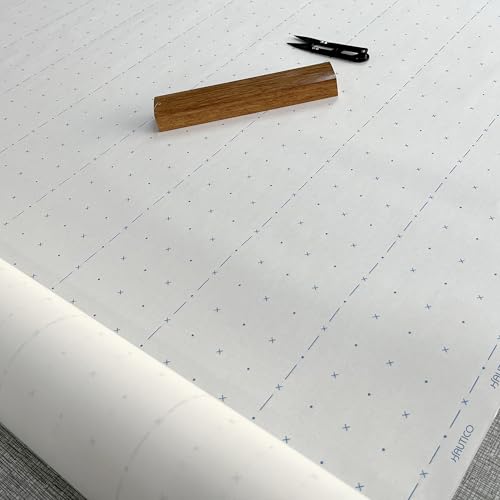
Hautico offers a 20-yard roll of pattern paper with a smooth, bright white surface. The roll includes alpha numeric markings and a thicker construction intended to withstand repeated use, making it suitable for durable master patterns and repeated tracings. The paper is designed to support sewing and dressmaking tasks with reliable durability.
Montada Pattern Paper – 36″ x 3 Yards Pack

This Montada option provides a 36-inch wide, 3-yard pack without a roll. It retains the dotted alpha numeric system and emphasizes translucency for seeing underlying patterns. It’s presented as a compact alternative to longer rolls, suitable for smaller studios or quick pattern work without sacrificing clarity.
Buying Guide
Key considerations when selecting pattern paper for sewing and fashion design:
- Width and length: Larger widths (around 40–45 inches) reduce the number of seams in large patterns, while longer rolls (10 yards or more) minimize rerolls during drafting.
- Translucency vs. durability: Higher translucency helps with tracing, but paper must resist pencil marks and erasing to maintain clean lines over multiple uses.
- Grid and marking systems: Some papers feature alpha-numeric dotted grids that speed up pattern drafting, grading, and alignment.
- Material stability: A sturdy surface reduces tearing during pinning and cutting, especially for durable master patterns used repeatedly.
- Roll vs. pack: Rolls are best for ongoing projects and large templates; packs are convenient for travel or small studios with limited space.
- Reuse potential: Thicker or more durable finishes extend the usable life of pattern sheets, saving time and materials on large projects.
- US-made vs. imported: Some designers prefer domestic production for consistent allergen-free materials and quality control.
In practice, pattern papers with a good balance of translucency and durability, combined with an alphanumeric dotted system, tend to streamline tracing and grading workflows. For studios handling diverse fabrics and complex designs, wider papers and longer rolls minimize interruptions, while sturdy surfaces support repeated tracing and adjustments without tearing.
When assembling a sewing workspace, consider pairing pattern paper with compatible tracing tools and pencils that erase cleanly. Keeping a dedicated cutting mat nearby helps prevent tearing during pinning and tracing. For those focusing on fashion design, investing in a few versatile options—such as wide rolls for main patterns and narrower packs for quick edits—offers flexibility across multiple projects.