Choosing the right pattern paper is essential for efficient pattern making, tracing, and grading in fashion design. This article highlights top pattern papers that balance translucency, durability, and ease of use for American studios and hobbyists. Each option supports clear line work, precise markings, and reliable performance through repeated use. Read on to compare sizes, transfers, and usability across options from brand-name makers to versatile tracing papers.
| Product | Brand | Size & Width | Key Benefit |
|---|---|---|---|
| Pattern Paper for Fashion Design – 45″ x 10 Yards | MONTADA BY LA LULI | 45″ x 10 yards | Alpha numeric dotted marking; translucent yet durable |
| White Dotted Pattern Paper – 3 Yards Bundle | Mood Designer Fabrics | 40″ wide, 3 yards | Alphanumeric grid; ideal for tracing and grading |
| Okuna Outpost Pattern Paper – 17″ x 50 Yd | Okuna Outpost | 17″ x 50 yards | Translucent vellum; versatile tracing medium |
| Pattern Paper Extra Wide – 60″ x 10 Yards | MONTADA BY LA LULI | 60″ x 10 yards | Big width for large patterns; durable dotted paper |
| Professional Grade Manila Pattern Paper | IDS INTERNATIONAL DESIGN SUPPLIES | 45″ x 10 yards | Heavyweight, durable, trusted by pros |
Pattern Paper for Fashion Design — 45″ x 10 Yards

This alpha numeric dotted paper is designed for pattern development, grading, and tracing in sewing projects. At 45 inches wide and 10 yards long, it offers a balance of translucency for viewing underlying lines and enough opacity to resist pencil smudges. It is suitable for large-scale patterns common in dressmaking and enables clean markings and easy erasing when needed.
Pattern Paper Extra Wide — 60 Inches Wide
A wider format designed for large-scale pattern drafting, this 60-inch wide paper provides extensive coverage for dressmaking projects. Like the standard 10-yard rolls, it features alpha numeric dotted markings and good translucency to trace beneath layers. The extra width helps reduce seams when laying out patterns across broad garment pieces.
Pattern Paper for Fashion Design — 36″ x 3 Yards

This pack offers a slimmed-down option without a roll, suitable for smaller projects or classroom drafting. The dotted pattern paper remains useful for grading, sketching, and tracing, with a balance of translucency and durability to support frequent reuse and clear line work.
Pattern Paper for Sewing, Tracing Paper for Pattern Drafting
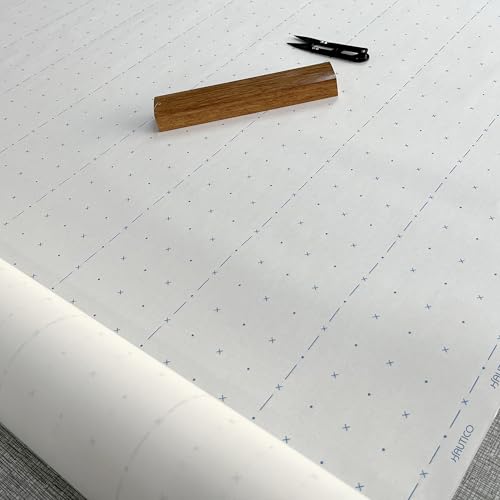
A long roll designed for comprehensive pattern drafting and tracing tasks. The 20-yard length provides ample material for multiple pattern sets or extended classroom use. The surface is smooth for clean pencil lines and consistent erasing, making it suitable for both grading and pattern generation activities.
Buying Guide: Key Considerations for Pattern Paper Selection
- Width vs. project size: Wider papers (36″–60″) reduce seams on large dresses; narrower options are often easier to handle for small garments or portable studios.
- Translucency and durability: Translucent vellums and dotted papers allow tracing beneath; look for a balance that resists pencil marks and erasing without tearing.
- Grid and markings: Alpha numeric dot grids aid precise measurements, grading, and pattern transfer; ensure the system aligns with your drafting workflow.
- Roll length: Longer rolls (10–20 yards) are economical for repeated use in studios; shorter packs fit beginners or single-project goals.
- Material quality: Manila and heavy-weight papers stand up to pinning and folding; lighter papers are easier to maneuver but may wear sooner.
- Intended use: Some papers excel at tracing and drafting, while others emphasize pattern preservation or classroom teaching. Match to your design process.
- Made in USA options: For some studios, domestic production supports quality control and manufacturing standards; consider supply chain needs.
The above selections reflect a mix of alpha numeric dotted papers, translucent tracing sheets, and heavy-weight manila options commonly used in fashion design studios and home sewing setups. Each product serves pattern development, grading, tracing, or drafting with varying widths, lengths, and marking systems. When choosing, prioritize the workflow you use most—whether it’s large-dress pattern drafting, classroom teaching, or meticulous grading projects.