When selecting paper and film for silk screen printing, the best options provide crisp image transfer, fast ink drying, and reliable registration. This guide highlights five of the most relevant products for American hobbyists and small studios, focusing on waterproof transparency films and compatible sheets. Ideal buyers include screen printers who work with inkjet or digital workflows, sign makers, and craft enthusiasts seeking clean, dark images with minimal curling. The selections balance durability, ease of use, and affordability to help you choose the right film or sheet for your silk screen projects.
| Product | Type | Best For |
|---|---|---|
| A-SUB 8.5×11 Inch Waterproof Inkjet Transparency Film | Waterproof transparency film | Inkjet printers, small runs, high-contrast positives |
| UOKHO 30 Sheets Transparency Film Paper, 8.5×11 | Transparency film sheets | Rapid proofs, overhead projectors, screen printing |
| Screen Print Direct Waterproof Inkjet Film Sheets (13″ x 19″) | Inkjet transparency sheets | Larger format screens, high-contrast positives |
| GoldUpUSAInc 8.5 x 11 Inch Waterproof Inkjet Film | Waterproof inkjet film | Accurate dot placement, high opacity |
| A-SUB 13X19 Inch Waterproof Inkjet Transparency Film | Waterproof transparency film | Large-format screens, strong exposure |
A-SUB 8.5×11 Inch Waterproof Inkjet Transparency Film

Best for compact setups requiring reliable inkjet positives with strong density. The film uses a Premium PET base and anti-static properties to keep flat with minimal curling. It dries quickly and supports high ink load for dark, clean images. Suitable for small screen printing jobs and hobby projects where precise registration matters.
Who it’s best for: hobbyists, small studios, and sign makers printing in 8.5×11 formats. Limitation: may not be ideal for very high-volume production without multiple sheets.
UOKHO 30 Sheets Transparency Film Paper, 8.5×11
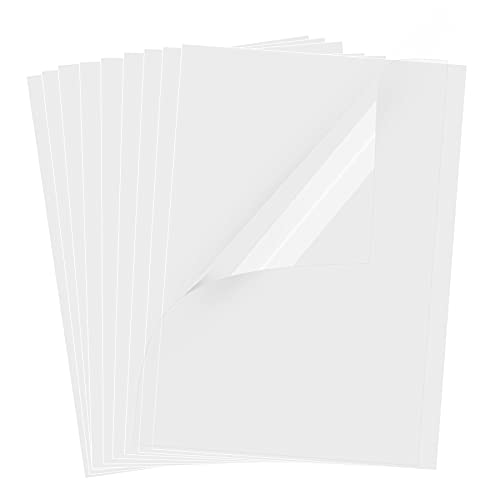
Best for users needing a wrinkle- and static-resistant film with fast drying. The PET material provides high transparency and clear image visibility, making it suitable for screen printing and overhead projection needs. Drying speed is optimized, but actual results depend on printer and ink type.
Who it’s best for: teachers, educators, and small shops printing proofs or multiple copies. Caution: not compatible with laser printers.
Screen Print Direct Waterproof Inkjet Film Sheets (13″ x 19″)

Best for larger screen printing projects needing a single-sheet workflow. The film uses premium PET with a microporous coating to deliver dark, sharp images and a slight haze for even light distribution. Pro tip: identify the printable side by dampening a corner; the printable side will feel slightly sticky.
Who it’s best for: small businesses and studios doing 13×19 work or larger, with a need for reliable, high-contrast positives. Limitation: the slight haze means you should verify print alignment before production runs.
GoldUpUSAInc-8.5 x 11 Inch Waterproof Inkjet Film

Best for consistent line definition and high-opacity results. The PET base is designed to be anti-static with minimal curling, supporting accurate dot placement. A suitable option for printers that require heavier, stable sheets for clear exposures.
Who it’s best for: printers prioritizing precise registration and strong image density. Caution: ensure compatibility with your printer’s inkjet system to avoid smearing on heavy films.
A-SUB 13X19 Inch Waterproof Inkjet Transparency Film
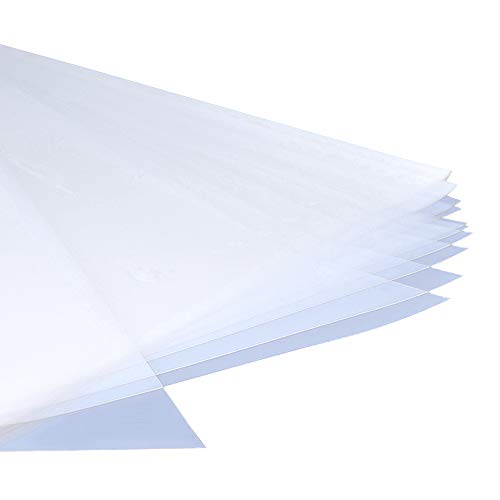
Best for large-format silk screen printing where high black density and durability are required. This 5Mil PET film maintains flatness, reduces curling, and provides a clean positive for accurate screen exposure. Suitable for mid-to-large runs needing strong opacity.
Who it’s best for: studios and educational facilities performing 13×19 projects. Limitation: larger sheets may require more printer capacity and handling care.
Buying Guide: Key Purchase Considerations
- Printer compatibility: Verify whether the film is designed for inkjet or laser printers. In this guide, all featured products are inkjet films, suitable for standard consumer and professional inkjet setups.
- Film material and coating: Premium PET bases with anti-static properties help prevent curling and improve registration. Look for microporous or specialized coatings that promote ink absorption and quick drying.
- Sheet size and format: Match sheet size to your exposure area. Larger formats enable bigger art but may require heavier handling and printer capability.
- Opacity and darkness: Higher ink load capacity yields darker, crisper positives. This is important for high-contrast screen exposure and sharp image transfer.
- Drying time and handling: Faster drying reduces smudging but may vary by ink type. Allow printed sheets to set before handling, especially for larger formats.
- Ease of use: Some films have guidance tips (like printable side indicators). This helps avoid misprints and wasted sheets.
- Durability and curling: Anti-static and curling resistance improve alignment and repeatability across multiple runs.
- Cost-benefit balance: Weigh per-sheet cost against durability and exposure quality to optimize for your volume and budget.
Frequently Asked Questions
- What is the difference between transparency film and standard printer paper for silk screen printing?
Transparency film is designed to transfer images onto screens with precise exposure, while standard paper may not provide the needed clarity or ink adhesion for exposure positives. - Can I use laser printer films for silk screen printing?
No. The listed products are inkjet-compatible; laser printer films may have different coatings and may smear or fail to expose correctly. - Why does some film curl after printing?
Curling can result from moisture imbalance, static charges, or differences in the film’s coating. Anti-static and high-tension films help minimize curling. - Is a larger film always better for screen printing?
Not necessarily. Choose a size that matches your exposure area and printer capabilities to avoid waste and handling issues. - How can I verify the printable side of a transparency sheet?
Some films advise wetting a corner to find the printable side—the side that sticks is usually the printable surface. Follow the manufacturer’s guidance.