Clear, even polyurethane finishes demand brushes that hold paint well, release smoothly, and maintain control during cutting-in and edges. This guide highlights five versatile brushes and sets ideal for polyurethane on furniture, cabinets, floors, and trim. The best pick depends on project size, desired edge definition, and whether you prefer natural or synthetic filaments. Below, you’ll find a buyer-friendly comparison and practical tips to choose the right brush for your job.
| Product | Best For | Why It Stands Out |
|---|---|---|
| Pro Grade Paint Brushes, 5-Piece | Pro projects and varied tasks | Comprehensive set with flat and angled brushes for walls, trim, cabinets; premium SRT filaments for smooth, streak-free coats |
| Minwax 427350008 Polyurethane 2″ Trim Brush | Detail work on furniture and trim | Natural bristle blend designed to hold and apply clear coatings evenly |
| Magimate 3-Inch Double Thick Chip Brush | Large surfaces and heavy coatings | Wide head, dual-weight bristles for fast, wipe-free application |
| PinStone 3 Pack 2 Inch Angled Brush Set | Edges, corners, and trim | Angled, synthetic bristles with smooth finishes; easy grip for precision |
| Bates Foam Paint Brushes, 2 Inch, 16 Pack | Small projects, touch-ups, and varnish coats | Foam provides even coats on narrow surfaces and intricate profiles |
Notes: This table summarizes five strong options tailored to polyurethane finishes. Each product is selected for clean application, edge control, and compatibility with oil-based and water-based polyurethanes. Caution notes and usage tips follow in each product section.
Pro Grade Paint Brushes, 5-Piece Set
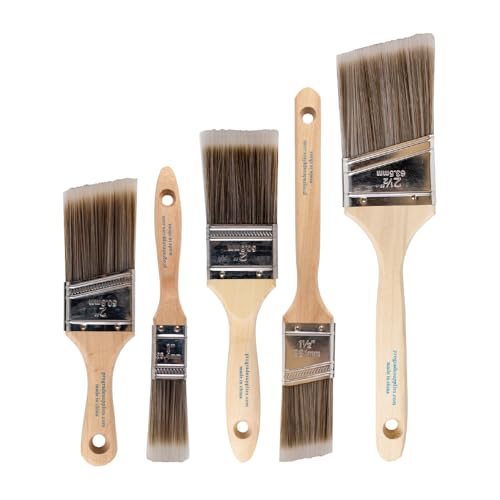
The Pro Grade 5-Piece Set includes a 1-inch flat, 1.5-inch angle, 2-inch flat, 2-inch angle stubby, and a 2.5-inch angle brush. Best for professionals and serious DIYers who need every common size for walls, trim, cabinets, doors, and furniture.
- Best for: Versatile projects requiring multiple brush sizes.
- Why selected: The complete set reduces the need to buy single brushes, delivering professional-grade performance at a lower cost per brush.
- Caution: Premium bristles can shed if mishandled; use proper cleaning to extend life.
Minwax 427350008 Polyurethane 2″ Trim Brush

Designed with natural bristle for a smooth, glass-like finish when applying polyurethane. This trim brush excels on narrow edges, cabinetry, and trim pieces where a fine, controlled line matters.
- Best for: Detail work on furniture, doors, and trim with clear coats.
- Why selected: Natural bristle blends hold more coating for steady, even application and edge control.
- Caution: Natural bristles can be sensitive to harsh solvents; clean promptly after use.
Magimate 3-Inch Double Thick Chip Brush
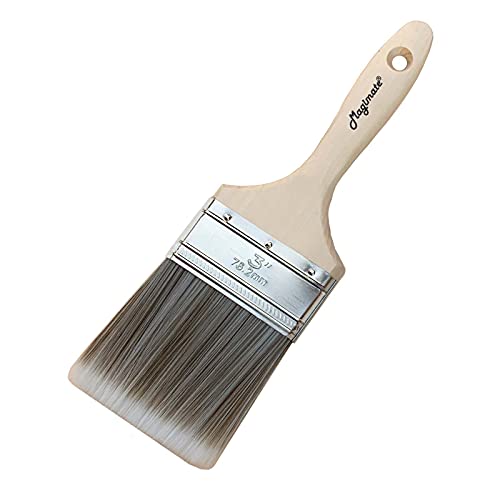
This 3-inch flat brush offers wide coverage for polyurethane on large surfaces like tabletops, doors, or cabinet panels. The double-thick chip brush design with synthetic bristles enables good paint load and smooth release.
- Best for: Fast coats on larger surfaces and furniture panels.
- Why selected: Wide head reduces stroke lines; good for gloss and varnish finishes.
- Caution: Chip brushes can shed in some coatings; inspect bristle integrity before use.
PinStone 3 Pack 2 Inch Angled Brush Set
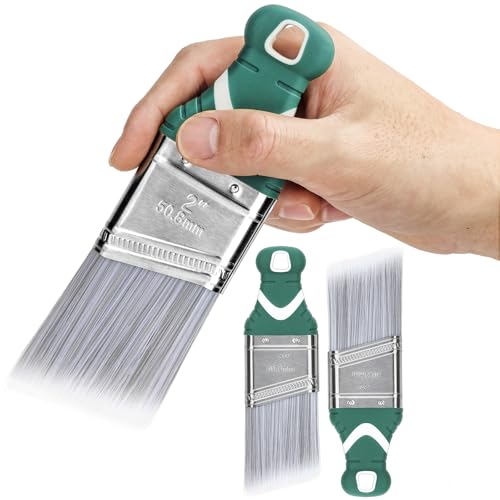
Three 2-inch angled brushes with synthetic bristles deliver precise cutting-in around trim, edges, and cabinets. The rubber grip and stainless ferrule promote control and durability when applying polyurethane.
- Best for: Edge work and tight corners on furniture and cabinetry.
- Why selected: Angled design enhances crisp lines and reduces risk of overloading adjacent surfaces.
- Caution: Short handles may be less comfortable for long sessions; consider a longer grip for extensive projects.
Bates Foam Paint Brushes, 2 Inch, 16 Pack
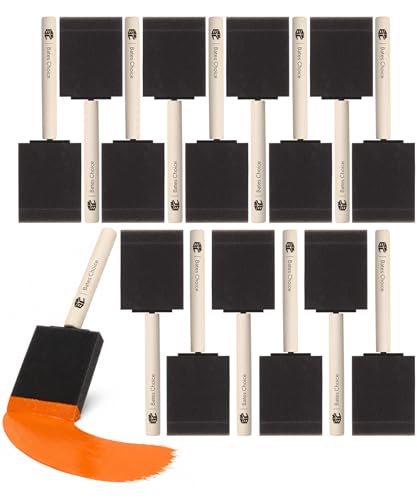
Foam brushes are a practical option for small projects, touch-ups, and narrow profiles where a uniform coat is essential. The 2-inch size covers trimming and inset areas efficiently, especially with varnish and polyurethane coatings.
- Best for: Narrow profiles, windows, and touch-up tasks on polyurethane finishes.
- Why selected: Foam provides even application with minimal texture and fewer brush marks in tight spaces.
- Caution: Foam can degrade with certain solvents; verify compatibility with the polyurethane you’re using.
Buying Guide
What brush type should I use for polyurethane?
Synthetic filaments (nylon or polyester blends) are popular for water- and oil-based polyurethanes due to smooth release and durability. Natural bristles excel with oil-based coatings for a traditional feel, but they require careful cleaning to maintain stiffness and avoid warping.
What brush size is best for my project?
Use larger flat brushes (2–3 inches) for flat surfaces and broad coats. Angled brushes (1.5–2.5 inches) are ideal for cutting-in along edges, trim, and corners. For small or intricate areas, a 1–2 inch angled brush offers the most control.
How do I clean polyurethane brushes?
Follow manufacturer directions, but generally you should rinse with compatible solvents. For oil-based coatings, use mineral spirits; for water-based poly, warm soapy water works well. Reshape bristles and let dry flat or hanging to avoid splaying.
Are brush sets or individual brushes better?
Sets provide a complete range for different tasks and reduce the need to buy separately. Individual brushes let you target specific needs, such as a precise cutter or a wide-surface brush for large panels.
What should I avoid when applying polyurethane?
Avoid overloading the brush, which causes drips and uneven patches. Work in thin, even coats and allow adequate dry time between layers. Temperature and humidity affect drying and finish quality.
Edge cases and material considerations
For cabinet interiors, a small angled brush is often more practical than a large flat brush. For furniture surfaces, a wider brush can reduce the number of strokes needed. If you use solvent-based polyurethanes, ensure bristle materials are compatible to prevent bristle damage.
Quick comparison by project type
- Cabinets and trim: Angled brushes (1.5–2.5 in) for crisp lines.
- Large surfaces: Wide flat brushes (2–3 in) for speed and even coats.
- Edges and corners: Short, angled brushes for tight control.
- Small touch-ups and narrow profiles: Foam brushes for uniform application in tight spaces.
Frequently asked questions
- What type of brush is best for oil-based polyurethane? Natural bristles can work well, but synthetic options are often more durable and easier to clean.
- Can I use the same brush for polyurethane and stain? Yes, if the bristles are compatible with both finishes and you clean thoroughly between uses.
- Is a 2-inch angled brush sufficient for cabinet cutting-in? Yes, a 2-inch angled brush is commonly used for precise edges around cabinets and trim.
- Should I wet the brush before use with polyurethane? Generally no; lightly dampening a brush can help reduce brush marks but may affect drying; follow product guidelines.
- How many coats of polyurethane should I apply? Most projects benefit from 2–3 thin coats, with light sanding between coats for optimal smoothness.
- Is a foam brush appropriate for polyurethane? Foam brushes are convenient for small areas and smooth, even coats, but may not be ideal for heavy, high-build applications.