Answering the practical search for candle-making scents, this guide highlights five products well-suited for crafting personal, complementary aromas in soy and wax blends. The picks emphasize clean ingredients, skin-safe options, and reliable performance in DIY projects. Best for beginners: simple, versatile oils that blend easily. Best for experienced crafters: richer, multi-note fragrances that layer well with others. Best for small-batch candles: cost-effective values without sacrificing scent strength.
| Product | Best For | Notes |
|---|---|---|
| Carno Calm Organic Sweet Orange Essential Oil | Organic candle makers seeking citrus base | USDA Organic certified; ideal for candles and DIY blends |
| VINEVIDA 4oz Mahogany Teakwood Fragrance Oil | Premium, masculine scent lovers | Vegan, phthalate/paraben-free; versatile for soap, candles, and more |
| Bramble Berry Oatmeal Milk And Honey Fragrance Oil | Comforting, dessert-like candles | Skin-safe formula; phthalate and paraben-free |
| Bramble Berry Island Coconut Fragrance Oil | Coastal, tropical-themed candles | Vegan, paraben & phthalate free; versatile for crafts |
| Comdian Fragrance Essential Oils Set (14pc) | Variety pack for experimentation | Wide range of scent notes; suitable for diffusers and candle making |
Carno Calm Organic Sweet Orange Essential Oil
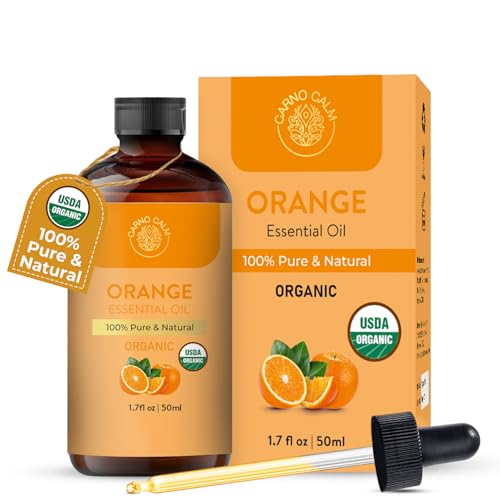
What it is: An organic, USDA-certified sweet orange essential oil. This product is steam-distilled to preserve purity and therapeutic-grade quality. Best for candle bases with a bright, uplifting citrus note.
Who it’s for: Crafters seeking an organic orange note for clean-label candles, DIY skin care, or bath products. The organic certification helps satisfy projects requiring compliant ingredients.
Why chosen: Its organic status and pure orange aroma make it a reliable citrus foundation that blends well with woods, spices, and vanilla notes in candles. It’s especially effective as a top note in layered candle blends.
Limitation: Being an essential oil, it should be diluted appropriately in wax systems and tested for scent throw and stability in your specific wax formulation.
VINEVIDA [4oz] Mahogany Teakwood Fragrance Oil

What it is: A premium fragrance oil crafted in the USA, designed for candles, soaps, and other crafts. The Mahogany Teakwood scent blends warm, woody notes with a welcoming richness.
Who it’s for: Ideal for those who want a strong, masculine-leaning candle aroma that remains versatile across lotions, soaps, and diffuser blends. Suitable for use in soy and other natural waxes with proper testing.
Why chosen: It’s widely used in home fragrance projects and pairs well with vanilla, amber, and spice notes. The scent profile is robust, making it a strong anchor for layered candle scents.
Limitation: Not labeled as organic; ensure compliance with any clean-label or organic requirements for specific projects.
Bramble Berry Oatmeal Milk And Honey Fragrance Oil

What it is: A comforting fragrance blending oatmeal, milk, honey, and almond to evoke cozy, nostalgic vibes. Used for candles, soaps, lotions, and bath products.
Who it’s for: Crafters seeking a warm, sweet scent that works well in dessert-like or gourmand themes without overpowering other notes.
Why chosen: This oil offers a familiar, homey aroma that blends smoothly with vanilla and soft spices, making it a versatile base or middle note in candle blends.
Caution: Fragrance strength varies by wax type; test a small batch to confirm scent throw before large runs.
Bramble Berry Island Coconut Fragrance Oil

What it is: A sweet tropical coconut fragrance designed for candle making, soap making, and other DIY crafts. It emphasizes a creamy, beachy coconut aroma.
Who it’s for: Perfect for tropical or vacation-style candle lines, or for blending with vanilla or citrus to create creamy coastal scents.
Why chosen: Coconut notes are popular in summer candle collections and pair well with vanilla and almond for a smooth profile. It’s versatile across wax types when tested.
Limitation: Coconut-based scents can sometimes overpower lighter notes; use in smaller percentages when building complex blends.
Comdian Fragrance Essential Oils Set (14pc)

What it is: A 14-piece essential oil set featuring a range of classic scents including tea tree, lavender, vanilla, sandalwood, and eucalyptus. Intended for diffusers, candles, and DIY care products.
Who it’s for: Crafters who want a broad palette for testing candle blends, layering scents, and learning scent families before purchasing single-note oils.
Why chosen: The set provides a variety of base and accent notes, enabling quick experimentation with different candle profiles. It’s a practical option for small studios or hobbyists.
Limitation: Not all components may be certified organic; verify labeling if organic credentials are required for your project.
Buying Guide: How To Choose Organic-Fragrance-Intense Oils For Candles
What to consider when selecting fragrance oils for candles:
- Oil Type: Decide between essential oils (needing careful dilution) and fragrance oils (synthetic or blended blends) based on your wax and safety goals.
- Organic Certification: If “organic” labeling is essential, confirm third-party certification and traceability for the entire batch you plan to use.
- Scent Load And Stability: Check recommended maximum usage rates for your chosen wax to avoid scorching or poor scent throw.
- Allergen And Skin-Safety: Consider phthalate-free, paraben-free formulations and skin-safe guidelines for products that may contact skin during handling.
- Blend Compatibility: For layered notes, start with a base, middle, and top note framework to build a balanced fragrance profile.
- Ethical And Local Sourcing: Prioritize brands that disclose sourcing practices, labeling accuracy, and USA-based production where applicable.
Tips For Testing And Blending
- Test in small test candles (5–10 oz) to gauge hot throw and cold throw before scaling up.
- Keep a scent log with percentages, wax type, and curing time to replicate successful blends.
- Document flash point and recommended usage limits to prevent evaporation or scent degradation.
Frequently Asked Questions
- What is the difference between essential oils and fragrance oils for candles?
– Essential oils are plant-derived and often require careful dilution; fragrance oils are synthetic or blended specifically for scent performance in waxes and are usually easier to use at higher loads. - Are organic essential oils suitable for candles?
– They can be, but some organic essential oils may have lower scent strength; testing is essential to ensure adequate hot throw in candles. - How should I test a new fragrance in candles?
– Prepare small test batches with consistent wax and wick types; record usage rates, cure times, and scent throw at room temperature and heated conditions. - Can I mix multiple essential oils in a candle?
– Yes, but start with small percentages and document blends to avoid overpowering notes or instability in the wax. - Do I need to avoid certain oils in candles?
– Some oils can affect wax properties or safety; always follow recommended usage guidelines and ensure compatibility with your wax system. - What should I look for in a good candle fragrance oil set?
– Variety of scent profiles, clear ingredient labeling, safety information, and consistency across bottles for repeatable results.