For silk lovers seeking vibrant, eco-conscious color options, natural dyes offer rich tones with fewer synthetic additives. This guide highlights five Amazon-found products that are well-suited to silk crafting, from direct silk painting to hand-dyed scarves. Each choice targets different dyeing goals: fast yellows, deep browns, vibrant purples, and subtle greens. Suitable buyers include artists, hobby crafters, and textile enthusiasts aiming for plant-based or natural pigment results.
| Product | Best For | Key Strength | Caution |
|---|---|---|---|
| Jacquard Silk Colors Dyes, 2-Ounce, Black | Direct silk painting and vibrant black tones | Direct-application silk color with pastel dilution options | Avoid using without proper mordants for long-term lightfastness |
| Shepherd Textiles Mulberry Leaf Extract Natural Dye, 1 oz. | Green hues from natural plant extract | Natural mulberry-based green range | Color outcome depends on fiber and mordanting |
| Natural Botanical Colorants Sampler #2 | Textile dyeing and multi-surface projects | 18 plant-based pigments including indigo and madder | May require multiple steps to fix to fabric |
| Shepherd Textiles Cutch Extract Natural Dye | Rich browns on natural fibers | Cinnamon to deep brown hues | Color depth depends on mordanting |
| Shepherd Textiles French Weld Extract Natural Dye | Bright yellows on natural fibers | Lightfast and colorfast with mordant | Bright yellow may fade on non-mordanted silk |
| Shepherd Textiles Royal Logwood Extract Natural Dye | Purples, blues to rich darks | Concentrated for deep tones | Need small amounts for intense color |
Jacquard Silk Colors Dyes — Black
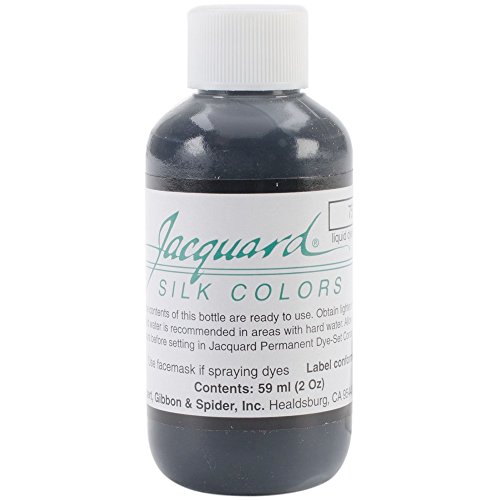
These dyes are designed for direct silk painting, providing an essential basis for an infinite palette of vivid hues. They’re formulated for silk and allow dilution with water to create pastel shades. Best for artists who want immediate, ready-to-use color on silk without complex mordants. Cautions include consistent mixing and testing on fabric samples to ensure desired depth and lightfastness. Best for: direct silk painting on scarves or garments; better for small batches or art projects requiring quick color payoff.
Shepherd Textiles Mulberry Leaf Extract Natural Dye

One ounce of all-natural mulberry leaf extract yields a range of beautiful greens, from pale jade to lime to dark forest green. This dye relies on plant-based pigment and is commonly used with mordants to fix color on natural fibers. Caution: results vary with fiber type and pre-treatment. Best for: natural fiber projects seeking green tones; better for experiments and small textiles.
Natural Botanical Colorants Sampler #2

This sampler includes 18 plant-based colorants for soap making, cosmetics, textiles, and crafts. It covers indigo, madder root, walnut hull, hibiscus, annatto, blue clay, and more. Best for: crafters who want a broad spectrum of natural hues; better for experimenting with color families and layered dyeing. Limitation: some colors may shift with mordants or after exposure to light.
Shepherd Textiles Cutch Extract Natural Dye

One ounce of brown dye extracted from the wood of the black cutch tree (acacia catechu) produces rich browns on wool, cotton, silk, and other natural fibers. Up to a pound of yarn can be dyed with a single ounce, with final color depending on fiber type and mordanting. Best for: achieving warm browns on silk; better when mordanted for consistent shade. Caution: deep browns may require precise application to avoid uneven results.
Shepherd Textiles French Weld Extract Natural Dye

One ounce of all-natural French Weld extract produces bright yellows on natural fibers like wool, cotton, and silk. It can be lightfast and colorfast when mordanted, making it suitable for wearables. Caution: non-mordanted silk may show less colorfastness. Best for: creating sunny yellows on silk projects; better for items that will be worn or washed with mordanting.
Shepherd Textiles Royal Logwood Extract Natural Dye

One ounce of natural logwood extract from the heartwood yields a range of colors on textile fibers, from purple to blue to black. It is extremely concentrated; use only 1% or 2% weight of fabric for deep colors like royal purple or midnight blue. Best for: deep, jewel-toned silk hues; better with precise measurement and mordant control. Caution: over-concentration can lead to overly dark tones on silk.
Buying Guide: Natural Dyes For Silk
What should I consider before buying?
Fiber type and mordanting greatly influence color outcomes. Silk often responds best to protein-based mordants and controlled dye baths. Consider whether you want direct application dyes for painting or powder/liquid extracts for a bath-dye method.
How do I choose between plant-based and extract dyes?
Plant-based colorants (like mulberry leaf or logwood) offer a broader range of hues but require mordants for lightfastness. Extract dyes (such as French Weld or Cutch) provide ready-to-use options with predictable shades but may demand careful dilution for silk.
What about colorfastness and lightfastness?
Natural dyes vary in fastness. Always test on a silk swatch with your mordant of choice. Lightfastness improves when proper mordants are used and when textiles are stored away from direct sunlight.
Are these dyes safe for skin contact or wearables?
Most listed products are formulated for textile use and natural pigments. Follow each product’s instructions for handling and mordanting. Some colors may fade or change with washing, so plan for color maintenance in long-term wearables.
How to compare outcomes across the five products?
Consider expected tone (yellow, green, brown, purple, black), required preparation, and fiber compatibility. For silk, prefer dyes that fix well with silk fibers and provide clear, distinct results after mordanting or direct application.
How should I test before large projects?
Test on a small silk swatch using the same fiber weight and mordanting method you plan to use. Record bath temperature, dye concentration, and dyeing time to reproduce results later.
Is a single dye sufficient for a project, or should I mix colors?
Starting with a primary color and experimenting with small additions of other colors can create nuanced hues. Natural dyes lend themselves to layering and multi-stage dyeing for complex silk finishes.
What is a practical dyeing workflow for silk?
Prepare the silk with a mordant (if required), prepare the dye bath, immerse the fabric, monitor color development, then rinse and set the color. Dry away from direct heat to prevent color shift.
FAQ
- Can I use these dyes on silk without mordants? Some direct silk dyes work without mordants, but colorfastness often improves with a mordant.
- Are plant-based dyes safer than synthetic dyes for silk? Plant-based dyes are generally considered gentler, but all natural dyes require careful handling and testing for best results.
- Will natural dyes fade quickly on silk? Fading risk exists; mordanting and proper washing/storage help preserve color.
- Can I mix multiple natural dyes on silk? Yes, but test blends first; natural dyes can shift when combined.
- Which dye is best for yellow tones on silk? French Weld extract and logwood-based yellows are common options with mordanting.
- Is silk dyeing with natural pigments suitable for clothing? Yes, with appropriate mordants and colorfastness testing for wearables.