Answer: Natural and skin-safe colorants let you craft vibrant, eye-catching bath bombs without harsh chemicals. This guide highlights colorants best for bath bombs, slime, and related crafts, with clear notes on who they’re best for and any limitations. Ideal buyers include DIY hobbyists seeking vivid but gentle hues, parents making kid-friendly bath treats, and crafters blending colors for layered effects. The table below summarizes five top picks to help you compare at a glance.
| Product | Best For |
|---|---|
| DecorRom 20 Color Bath Bomb Soap Dye | Bold, versatile color palette for all bath projects |
| Limino 12 Color Bath Bomb Soap Dye | Beginner-friendly, easy-to-blend hues |
| Wayin 20 Colors Bath Bomb Soap Dye | Highly concentrated, long-lasting colors |
| NTWJNJY Mica Powder, 30 Color Pigment | Shimmer and metallic accents for resin, soaps, and bombs |
| SigWong Bath Bomb Soap Dye, 36 Colors | Large color range with single-drop control |
DecorRom 20 Color Bath Bomb Soap Dye
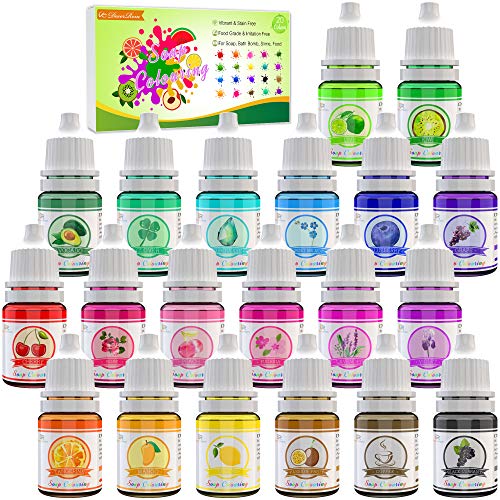
Best for: Color enthusiasts who want a wide open palette. This liquid dye set provides 20 vibrant, skin-safe colorants that can be used solo or blended for layered effects. The formula emphasizes depth and brightness, staying clear and long-lasting in soaps and bath bombs. Suitable for bath bombs, DIY slime, play dough, lotions, and soaps.
Why selected: The large color range and easy dispersion make it a flexible option for experimenting with color layering and gradients. The “stain-free” and baby-friendly claim helps reassure safety-conscious buyers.
Caution: Liquid dyes can be intense; start with small drops and test color payoff on prototypes before full batches to avoid unexpected shades.
Limino 12 Color Bath Bomb Soap Dye

Best for: Beginners and crafters who want reliable, easy-to-blend colors. This set uses food-grade, skin-safe liquids that disperse without prep and pair well with 14 included instructions for recipes and steps.
Why selected: It offers 12 colors with straightforward mixing, helping users achieve custom shades quickly. The included e-Guide supports first-time color mixing and safe usage.
Caution: Liquid colorants may bleed into certain formulations; consider adding mica powder if you want more control over opacity and shimmer.
Wayin 20 Colors Bath Bomb Dye

Best for: Color enthusiasts who want high concentration and long-lasting hues. These water-based dyes are designed to blend easily and maintain depth and brightness in soap and bath bombs, slime, and crafts.
Why selected: The high concentration reduces usage quantity while delivering vibrant results. It’s a good pick for crafters who mix colors in multiple layers or want vivid results with minimal product.
Caution: As with dense liquids, test blends on small batches to ensure the final shade aligns with your vision before scaling up.
NTWJNJY Mica Powder, 30 Colors

Best for: Crafters seeking metallic shimmers and color accents. The 30-color mica powder set works across epoxy resin, bath bombs, soaps, candles, slime, and more.
Why selected: Mica powders add sparkle and depth, enabling premium-looking finishes without heavy pigments. Safe, non-toxic composition supports multiple DIY projects.
Caution: Mica powders are typically used as accents; for solid color coverage in bath bombs, pair with liquid dyes or larger pigment amounts as needed.
SigWong Bath Bomb Dye, 36 Colors
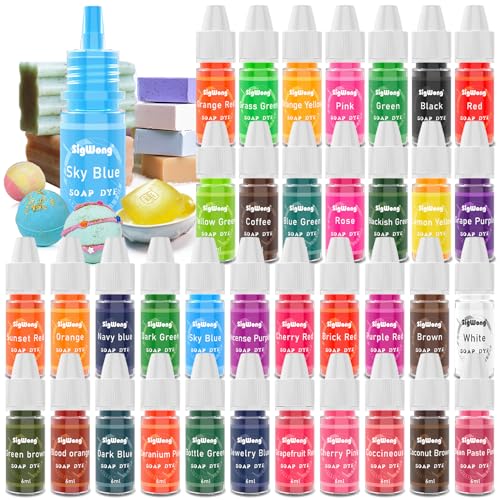
Best for: Colorful projects where a wide, easily controllable palette is desired. The set includes 36 colors with 6 ml per color and a single-drop control for precise shade adjustments.
Why selected: The broad color range and single-drop capability enable precise customization and experimentation. It’s suitable for bright, saturated bath bombs and related crafts.
Caution: Very concentrated colors can stain surfaces; protect work areas and wear gloves during handling and mixing.
Buying Guide
What to consider when choosing bath bomb colorants
- Skin safety and ingredients: Look for food-grade, non-toxic, and hypoallergenic formulations to minimize irritation risk.
- Color range and control: A larger palette offers more design options, while single-drop control helps with precise shades.
- Liquid vs. mica powder: Liquid colorants create vibrant, uniform hues; mica powders add shimmer and metallic accents for premium looks.
- Mixing compatibility: Check whether colorants are easy to blend with bath bomb bases, soaps, or slime without causing bleeding or separation.
- Usage guidance: Some sets include instructions or recipes—useful for beginners to achieve consistent results.
How to blend colors effectively
- Test in small batches to preview how colors mix and how opacity changes as dyes dry.
- Start with light bases and build up color with gradual additions to avoid over-saturation.
- Combine liquid dyes with mica for depth and sparkle without muddying the final shade.
Safety and storage tips
- Store colorants in tightly sealed containers away from heat and direct sunlight to preserve color integrity.
- Label batches clearly, noting intended use (bath bombs, soaps, slime) to prevent cross-contamination.
Common limitations to know
- Certain colorants may bleed or fade in different bases; plan color placement accordingly and consider protective additives if needed.
- Some mica powders provide shimmer but may require additional binders to maintain even distribution in long-term storage.
Recommended pairing strategies
- Liquid dyes for base colors and mica powders for highlights or layered effects.
- Combine a 1–2 color set with a few shimmering mica shades to create depth without overwhelming color.
Frequently asked questions
- Are natural dyes safe for kids’ bath bombs? Yes, if they are labeled skin-safe and free from harsh chemicals. Always supervise and test in small quantities.
- Can I use these colorants in slime or play dough? Many are suitable, but check the product features for multi-application guidance.
- Do I need to mix all colors evenly? Yes, perform small test batches to ensure consistent dispersion before scaling up.
- What’s the best way to store colorants? Keep in a cool, dry place in tightly sealed containers away from sunlight.
- Can I recycle or reuse packaging? Check product packaging for reuse instructions; many are designed for single-use but the containers may be repurposed.