When selecting natural beeswax for wood, look for products that nourish, protect and enhance grain without adding harsh chemicals. This guide highlights top options for furniture, floors, and cabinetry, helping buyers choose the right beeswax polish or spray based on use, safety and finish goals. The featured picks suit different needs—from quick spray restorers to long-lasting, hand-poured waxes for precise work.
| Product | |||
|---|---|---|---|
| Biaoyun Natural Beeswax Care Spray & Restorer | Furniture with built-up wax, wood floors, and vintage pieces | Restores old finishes with a natural film | |
| Howard Beeswax Wood Polish & Conditioner | All wood surfaces needing a gentle conditioning boost | Feeds and protects grain with carnauba and beeswax | |
| The Original Bee’s Wax Old World Formula Furniture Polish | Wood, leather, stone, metal, glass for multi-surface care | No fingerprints, no wax buildup over time | |
| Daddy Van’s All Natural Beeswax Furniture Polish | Kitchen surfaces, antiques, butcher blocks, cabinetry | Food-safe, non-toxic, plant-based conditioning | |
| Tried & True Original Wood Finish | All woodwork requiring durable, easy-to-repair finish | Linseed oil and beeswax blend for long-lasting protection |
Note: This table highlights how each product aligns with common wood-care needs. Read each product section for detailed suitability, limitations, and usage guidance.
Biaoyun Natural Beeswax Care Spray & Restorer
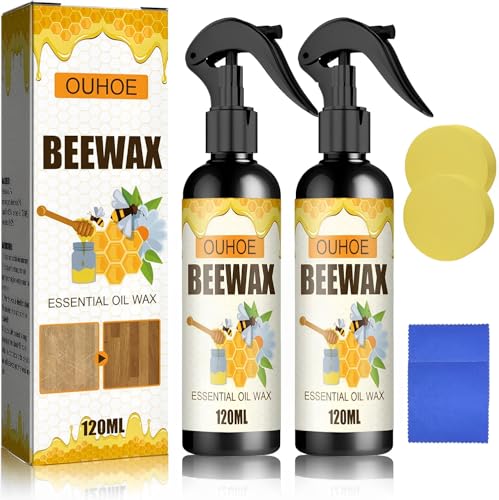
Best for reviving aged furniture and floors where built-up wax or grime dulls texture. This micro-molecular spray uses natural beeswax to restore luster without harsh chemicals. It forms a protective film that helps maintain moisture and reduces cracking. Use on surfaces where you want a quick, even sheen without heavy rubbing.
Who it’s best for: quick restorers, homeowners with mixed wood types, and those seeking a chemical-free option for living spaces. Selection reason: versatile spray that removes years of wax buildup and renews surface texture. Limitation: spray format may require frequent reapplication on high-traffic areas.
Howard Products Beeswax Wood Polish & Conditioner
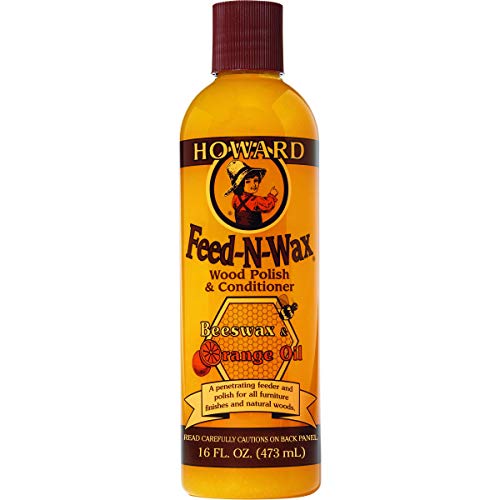
Best for all wood surfaces that need a gentle conditioning boost while preserving natural grain depth. This polish uses a blend of carnauba wax and beeswax with conditioning oils to feed wood and prevent drying. It produces a soft luster and helps guard against fading over time.
Who it’s best for: homeowners seeking a classic, all-purpose wax that nourishes without heavy buildup. Selection reason: effective conditioning that respects finished and unfinished wood alike. Caution: can impart a slight sheen on very matte finishes; test on a small area first.
The Original Bee’s Wax Old World Formula Furniture Polish
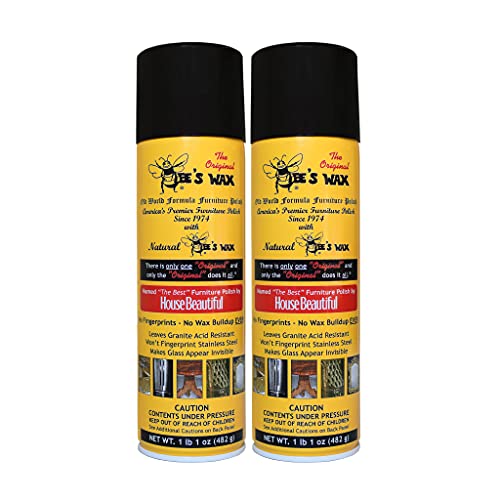
Best for multi-surface care where a single product helps maintain wood, leather, and stone items. It leaves no fingerprints and is formulated to avoid wax buildup over time, making it suitable for pieces with frequent use or display surfaces in living spaces.
Who it’s best for: buyers wanting a versatile finish for various materials and ease of maintenance. Selection reason: no-fingerprint, low-residue formula on mixed-material areas. Limitation: not exclusively a wood-only product—it’s a multi-surface polish.
Daddy Van’s All Natural Beeswax Furniture Polish
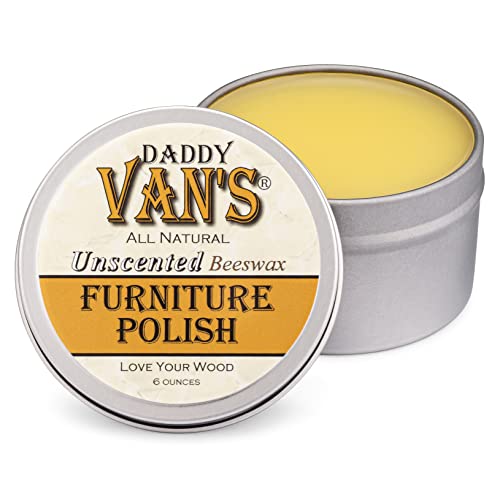
Best for kitchens and high-use wooden surfaces that require a safe, food-grade finish. This unscented, zero-VOC polish uses 100% natural beeswax and carnauba wax to nourish and protect. It restores beauty, reduces dryness, and helps hide minor scratches with a natural glow.
Who it’s best for: homes with children and pets, or any space demanding non-toxic, food-safe care. Selection reason: comprehensive wood conditioning with a focus on safety. Caution: unscented products may appear less robust on very dry, porous woods until built up gradually.
Tried & True Original Wood Finish

Best for durable, repairable finishes on all woodwork. The blend of linseed oil and beeswax provides a warm appearance, while polymerized oil speeds curing and minimizes VOCs. It is a practical choice for heirloom-grade pieces where occasional touch-ups are expected.
Who it’s best for: woodworkers or homeowners who want a long-lasting finish that can be repaired without stripping. Selection reason: traditional oil-and-wax combination that ages gracefully and can be refreshed without full refinishing. Limitation: requires proper curing indoors and may have a longer setting time compared to spray alternatives.
Buying Guide: How To Choose The Right Natural Beeswax For Wood
What finish do you want? Spray vs. paste or liquid wax has different application styles. Sprays are quick for broad, even coverage, while paste and liquid waxes offer deeper conditioning for specific areas and longer-lasting protection.
Is the product food-safe or pet-friendly? For kitchens, cutting boards or toddler spaces, choose food-safe formulas that meet your safety standards, as some products are specifically designed for such use.
What wood types do you own? Softer woods may benefit from conditioning oils, while hard woods often respond well to wax-rich finishes that emphasize grain and depth without leaving a sticky feel.
How important is odor and VOC content? If you prioritize low odor and zero-VOC formulations, check product notes and choose unscented options or those marketed as natural and non-toxic.
Is restoration or ongoing maintenance the goal? For heavily etched surfaces, a restorative spray or a film-forming wax can revitalize texture; for routine upkeep, a polisher or conditioner helps maintain shine and prevent drying.
Durability and repairability: Some finishes are designed to be repaired with touch-ups, while others require full refinishing to restore wear. If you plan frequent refinishing, lean toward formats that can be re-dosed without stripping.
Practical usage tips
- Test any new product on an inconspicuous area before widespread use to verify color and feel.
- Apply thin coats; allow adequate drying time between applications for the best finish.
- For older finishes, gentle cleaning to remove surface grime can improve results before applying beeswax.
Frequently Asked Questions
- What is the primary purpose of natural beeswax on wood?
To nourish, protect, and enhance grain while forming a durable but breathable film. - Is beeswax safe for food-contact surfaces?
Many beeswax polishes are safe for kitchen use, but always check product labeling for explicit food-safe claims. - How often should I reapply beeswax on heavily used furniture?
In high-traffic areas, reapply every few months or as the finish shows wear; for low-traffic pieces, 6–12 months is common. - Can I use beeswax on all wood types?
Most woods respond well, but test on delicate veneers or soft woods to avoid any potential darkening or residue. - What’s the difference between spray and paste beeswax?
Sprays offer quick, even coverage; pastes and liquids provide deeper conditioning and longer-lasting protection. - Do these products contain solvents or toxic additives?
Most listed products emphasize natural beeswax with minimal additives; verify ingredients if you have sensitivities.