Looking for a shimmering, iridescent finish on your ceramics? This guide curates five top picks for mother of pearl overglaze that are easy to use with standard fired ware. These liquid overglazes are designed to be applied over already glazed and fired pieces, then re-fired at a relatively low temperature to reveal a luminous pearl sheen. Best for enamel artists, hobby potters, and studio makers who want a subtle to bold rainbow iridescence on ceramics. Each product is chosen for clarity of color, compatibility with common glazes, and practical application notes.
| Product | Brand | Size | Best For |
|---|---|---|---|
| Mother of Pearl Overglaze Luster – 25 Gram Bottle | Colorobbia | 25 g | Light to medium pearl luster over glazed ware |
| Overglaze Luster – 100 Gram Bottle | Colorobbia | 100 g | Extended project use; versatile for larger pieces |
| Creative Hobbies Colorobbia Mother of Pearl Overglaze Luster 25g | Creative Hobbies | 25 g | Easy brush-on application on glazed ware |
| Mother of Pearl Overglaze Luster 25Grams | New Mexico Clay | 25 g | Beautiful pearl luster; good for swirls and decorative work |
| Mother of Pearl Luster – 25 Grams | New Mexico Clay | 25 g | Swirl effects and pearl-like finishes |
Note: Some products use standard oversized packaging or require specific firing schedules. Always fire according to glaze and clay body recommendations to avoid dulling or cracking of the pearl effect. The following sections detail each option, who it’s best for, and practical considerations to help you decide.
Mother of Pearl Overglaze Luster — 25 Gram Bottle

The Colorobbia 25 g bottle is designed for use on top of fully glazed and fired ceramic pieces, with a second firing at a relatively low temperature to activate the iridescent effect. Best for small to mid-size pieces and for artists who prefer precise control with a brush. This option is suitable for beginners and experienced decorators alike who want a subtle to moderate pearlescent finish. Caution: the packaging may appear less than full due to its oversized bottle; ensure your stock meets the stated quantity before use.
Overglaze Luster — 100 Gram Bottle
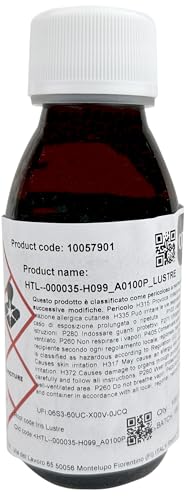
From Colorobbia, this 100 g bottle suits bigger projects and repeated applications. The product is formulated for use on already fired ware and requires a final firing in a kiln to set. Best for crafters needing longer run coverage or those finishing multiple pieces in one session. It is especially suitable for artists who want a stronger pearlescent presence and are comfortable with a slightly longer firing workflow. Limitation: must be fired in a kiln and is not a cold finish.
Creative Hobbies Colorobbia Mother of Pearl Overglaze Luster 25g

This 25 g bottle by Creative Hobbies mirrors Colorobbia’s pearl overglaze concept but emphasizes easy application on clean, glazed surfaces. It’s best for hobbyists and studios that want a simple brush-on method with a clear path to refiring for a rainbow sheen. Best for beginners who appreciate straightforward use and quick results. Caution: verify the proper firing schedule for your specific clay body to avoid cracking or dulling the luster.
Mother of Pearl Overglaze Luster — 25 Grams

From New Mexico Clay, this 25 g option emphasizes a beautiful pearl luster with a straightforward firing requirement up to 1180F cone 020. It’s well-suited for artists who want a subtle to medium iridescence with the convenience of a modest package size. Best for small decorative elements, swirls, and accents. Limitation: requires precise firing to achieve optimal luster; incorrect schedules can lessen the effect.
Mother of Pearl Luster — 25 Grams
Another 25 g option from New Mexico Clay, this luster emphasizes a swirled, alabaster pearl look when fired at the recommended temperature. It is well-suited for decorative motifs and swirled finishes that highlight a pearlescent depth. Best for artists who want distinctive swirl patterns and a classic pearl finish. Caution: ensure compatibility with your base glaze to prevent color shifts.
Buying Guide: Key Considerations For Choosing Mother Of Pearl Overglaze
- Firing Requirements: Most overglazes require a secondary firing at a lower temperature. Confirm your kiln schedule and glaze compatibility to preserve the pearlescent effect.
- Size And Usage: For small projects, 25 g bottles are often sufficient. Larger projects may justify 100 g containers for value and coverage.
- Base Glaze Compatibility: Overglazes are applied over already glazed and fired ware. Check that your base glaze’s finish will support the luster without dulling the effect.
- Application Method: Brush-on ease varies by brand. If you’re new to overglaze, look for products labeled as easy application with clear drying and refiring steps.
- Color and Intensity: Pearl luster intensity can vary with the underlying glaze. If you want a bold effect, select a product known for deeper iridescence or plan a test swatch.
- Packaging Notes: Some bottles may appear not fully filled due to packaging design. Verify the stated content before use to avoid unexpected shortages.
- Safety and Compatibility: Use with appropriate ventilation and follow manufacturer guidelines. Some products require kiln firing versus kitchen-oven use for safety and performance.
FAQ
- What is mother of pearl overglaze best used for? It provides a pearlescent, iridescent finish on glazed and fired ceramic ware after a secondary firing.
- Do I need a kiln for all overglazes? Yes, most overglazes require firing in a kiln at the recommended low temperature to set the iridescent finish.
- Can I mix overglazes with other glazes? It’s best to follow the supplier’s instructions; improper mixes can affect color and luster.
- How long does the effect last? The pearl luster is designed to be durable when fired as directed. Improper firing can dull the finish.
- Is these products suitable for art pottery and crafts? Yes, they’re aimed at both hobbyists and studio artists working with ceramic pieces.
- Are these colors food-safe after firing? Many are designed for ceramic art and not guaranteed food-safe; check each product’s guidelines for safe use on functional ware.