Looking for modeling paste to add texture, dimension, and structure to your acrylic paintings? This guide highlights five strong options, explains who they’re best for, and shows how they differ in density, workability, and drying behavior. Ideal for beginners, mixed-media artists, and seasoned painters seeking pronounced impasto or sculptural effects.
Summary table of selected products
| Product | Brand | Best For | Key Benefit |
|---|---|---|---|
| Nicpro Modeling Paste | Nicpro | Budget-friendly texture and structural work | Creamy, easy to apply with strong 3D texture |
| Bluebird Thick Modeling Paste White (28.2 oz) | BLUEBIRD | Large projects and heavy texture | High density for pronounced relief |
| Liquitex Basics Modeling Paste (250ml) | Liquitex | Everyday texture and mixed media | Versatile, dries hard and sandable |
| Falling in Art Modeling Paste (26.5 oz) | Falling in Art | Durable, stone-like texture | Good for sculptural effects and durability |
| Endhokn Thick Modeling Paste (30 oz) | Endhokn | High-density texture with volume | Rich texture with reliable shape retention |
Nicpro Modeling Paste 571 ml

- Premium-Grade Composition: 571 ml, designed for durability and smooth application.
- Multifaceted Utility: Suitable for sculpting, modeling, and texture on canvas, wood, and more.
- User-Friendly Application: Creamy consistency supports fine details and larger shapes.
Best for: Artists seeking a cost-efficient option with strong texturing potential and straightforward handling. Caution: May require longer drying time depending on thickness.
Bluebird Thick Modeling Paste White 28.2 Oz

- High-Density, Large-Volume: 28.2 oz of white paste for substantial texture builds.
- Versatile Usage: Ideal for sculpting and adding thickness on canvas or wood.
- Easy to Use: Creamy consistency supports detailed or broad applications.
Best for: Large canvases and impasto work where a strong, dimensional buildup is desired. Limitation: Higher density may take longer to dry in thicker applications.
Liquitex BASICS Modeling Paste (250ml)
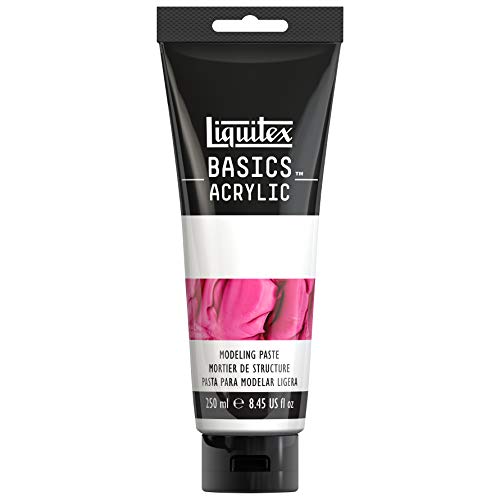
- A thick acrylic putty that creates textured surfaces on rigid supports.
- Dries to a hard, stone-like matte finish; can be sanded or carved when dry.
- Can be used alone or mixed with paint or mediums for custom textures.
Best for: Artists who want a reliable, accessible paste with strong adhesion and finish options. Limitation: Mineral dust and off-white color may affect color mixing if used heavily.
Falling in Art Modeling Paste 26.5 oz
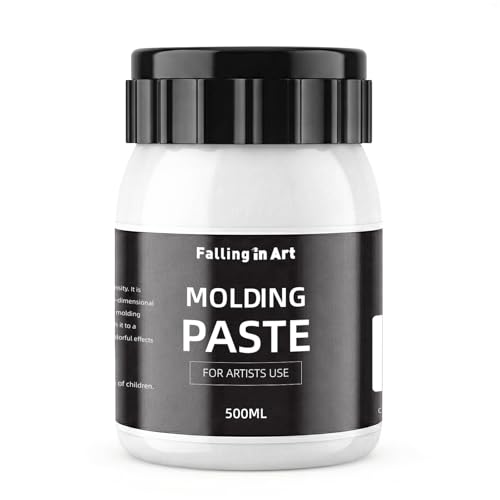
- Premium, non-toxic water-based formula with durable stone-like hardness when dry.
- Three-dimensional effect suitable for textured surfaces on canvas or wood.
- Excellent absorbency and tooth for smooth adhesion on various substrates.
Best for: Projects requiring long-term durability and sculptural texture. Limitation: Large containers may be more than needed for small pieces.
Endhokn Thick Modeling Paste 30 oz

- High-Density Texture Paste designed for thick relief and volume in acrylic painting.
- Flexible, easy-to-sculpt formula that retains shape and supports varied finishes.
- Good compatibility with canvas, wood, and other supports for texture projects.
Best for: Artists needing pronounced density and shape retention. Limitation: Very thick applications may require longer drying times and careful layering.
Buying Guide: How to Choose Your Modeling Paste
What density do you need?
Choose higher-density pastes for pronounced, sculptural textures and thicker relief. Lower-density pastes are better for subtle textures and mixed-media collage.
What surface will you use?
Most acrylic modeling pastes work well on canvas and wood. Some formulas perform better on porous surfaces; others may require primer for smoother adhesion.
How will you finish the piece?
Consider whether you plan to sand, carve, or paint over the dried paste. Some pastes dry to a stone-like surface that’s easy to sand or carve, while others remain slightly flexible.
Is color important?
Most pastes dry white or neutral; you can mix with paints for color textures. Some products are marketed as white or translucent, which can influence final color results.
Safety and handling
Look for non-toxic, water-based formulas, especially for indoor or classroom use. Verify any dust concerns when sanding dried paste.
FAQ
- Do modeling pastes crack easily? High-quality pastes are formulated to minimize cracking, but thick applications may crack if excessively dried or exposed to rapid temperature changes.
- Can I mix modeling paste with paint? Yes, many modeling pastes mix with acrylic paints to create custom textures, but expect color shifts depending on paste density.
- Is modeling paste suitable for beginners? Yes, start with a medium-density paste and gradually experiment with layers and tools to build confidence.
- What tools work best with paste? Palette knives, spatulas, and textured brushes help create varied surfaces; stencils can produce relief patterns when used with paste.
- How long does paste take to dry? Drying times vary by brand, thickness, and environment. Allow ample time for thick applications before painting over.
- Can I seal finished pieces? Yes, a clear acrylic sealer or varnish can protect textured surfaces after the paste fully dries.