When choosing linen blend fabrics for dressmaking, look for a balance of breathability, drape, and easy care. These five options combine linen with viscose or cotton, offering versatile textures for dresses, blouses, skirts, and more. The best picks suit sewists who want natural fibers with a soft hand and flattering flow, plus color retention and comfort in warm weather. The table below highlights key details to compare at a glance.
| Product | Blend | Width | Best For |
|---|---|---|---|
| LaSilk Linen Fabric, Navy | 55% Linen, 45% Viscose | 1 Yard (approx.) | Flowy dresses, chic blouses |
| LaSilk Linen Fabric, Dusty Pink | 55% Linen, 45% Viscose | 1 Yard (approx.) | Soft drape, feminine garments |
| Linen Lab Linen Rayon Blend | Linen + Rayon | 1 Yard | Lightweight dresses, tops |
| Barcelonetta Linen Fabric, Natural | 70% Linen, 30% Rayon | 1 Yard | Embroidery, needlework, structured pieces |
| Kaufman Essex Wide Linen Blend White | Linen Blend (exact percentages vary) | 56″ Wide | Heirloom blouses, dresses, lighter jackets |
LaSilk Linen Fabric Navy — 55% Linen, 45% Viscose

This fabric blends linen’s breathability with viscose’s soft drape, producing a medium-weight cloth with a luxuriously smooth touch. It’s designed for apparel, offering good air circulation and moisture management. The color range supports elegant neutrals and saturated tones, making it versatile for dresses, blouses, and light skirts. Best for sewists seeking a refined finish without sacrificing comfort. A potential limitation is that viscose can be less crease-resistant than pure linen, so plan for light pressing during finishing.
Who it’s best for: Makers who want a premium-feel blend for dresses or tops that drape beautifully and wear comfortably in warm weather. It’s a solid pick for those prioritizing color retention and refined texture in everyday garments.
LaSilk Linen Fabric Dusty Pink — 55% Linen, 45% Viscose

Dusty Pink offers the same premium blend as the navy option, with a soft, fashion-forward color that flatters many complexions. This fabric provides breathable comfort and fluid movement, ideal for dresses with gentle gathers or ruffles. It’s better for projects that benefit from a soft, romantic silhouette. Caution: light-colored blends may show smoother linen textures more readily and require careful laundering to maintain color vibrancy.
Who it’s best for: Crafters designing feminine silhouettes, blouses, and airy skirts in pastel tones, aiming for a refined, wearable look with comfortable stretch and drape.
Linen Rayon Blend The Linen Lab — Oatmeal 1 Yard
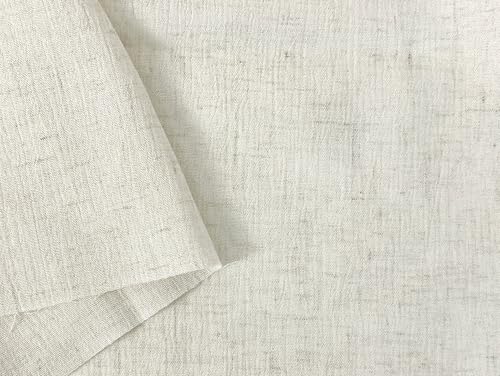
The Linen Lab fabric blends linen with rayon for a lighter hand and easy drape. This makes it suitable for dresses, tops, and skirts that require movement without stiffness. The fabric is lightweight and pre-washed, which helps reduce shrinkage and simplifies handling for beginners. Limitation: rayon can be less color-stable after multiple washes compared to pure linen blends, so plan for color maintenance when selecting dyes or treatments.
Who it’s best for: Beginners or sewists seeking forgiving drape and easy handling for flowy garments, quilting accents, or DIY fashion projects with a soft finish.
Kaufman Essex Wide Linen Blend White

From Robert Kaufman, this wide linen blend offers a full-bodied drape and a luxurious hand suitable for heirloom linens, blouses, skirts, dresses, and light jackets. Its wide width reduces seams and fabric waste, making it efficient for larger garments. The blend’s exact composition is designed to balance linen texture with the softness of the blend, which helps garments retain shape after wear. Caution: machine washing may affect texture over time; consider gentle cycles to preserve the fabric’s feel.
Who it’s best for: Designers and sewists planning larger garments or heirloom pieces that benefit from a high-quality linen blend with dependable drape and width.
Buying Guide: Linen Blend Fabric For Dressmaking
What to prioritize when choosing linen blends
Look for a blend that balances linen’s natural texture with the softness or drape of the other fiber. Viscose and rayon add fluidity; cotton can improve softness and stability. Consider the weight and weave to match your project—heavier blends for dresses with structure, lighter blends for fluid silhouettes.
Which blends suit which garment types
- Dresses: Favor mid-weight blends with good drape (linen-viscose or linen-rayon).
- Blouses: Choose softer, breathable blends with crisp hand (viscose or cotton blends).
- Skirts and lightweight jackets: Seek fabrics with graceful fall and stable weave, often linen-cotton or linen-rayon.
Care and handling considerations
- Pre-wash to reduce shrinkage and align fibers for even drape.
- Natural fibers may wrinkle; plan for pressing or design features that accommodate it.
- Check colorfastness with dye or wash tests for light or dark shades.
Color and texture decisions
Earthy neutrals and soft pastels are versatile for both garments and crafts. Linen blends often retain color well, supporting varied wardrobe palettes. Texture from the linen fibers adds visual interest to simple silhouettes, while viscose or rayon enhances smoothness and movement.
Pattern and layout tips
- Choose wider widths to reduce seams and waste, especially for dresses and capes.
- Test match with swatches before committing to large projects.
FAQ
- What is the main benefit of linen blends for dresses? They provide breathability with a flattering drape, improving comfort in warm weather.
- Are these fabrics machine washable? Many blends can be machine washed, but always check care instructions. Some blends may benefit from gentle cycles or dry cleaning.
- Which blend is best for beginners? Linen-rayon or linen-cotton blends offer forgiving drape and handling for new sewists.
- Do linen blends wrinkle easily? Natural fibers wrinkle, but blends can reduce this tendency; planning for press techniques helps maintain a crisp look.
- Can I embroider on these fabrics? Yes, particularly the natural fiber blends with textured surfaces, though some blends may require stabilizers for embroidery.