Choosing the best laser cutter for acrylic involves balancing cutting power, engraving precision, software compatibility, and ease of setup. This guide highlights five standout models that excel with acrylic projects, from intricate engravings to clean cuts. Each option is evaluated on performance, reliability, and value, with practical notes for home studios and small workshops. Use the product summaries below to compare features at a glance, then read the buying guide for key considerations and what to expect when using acrylic with laser technology.
| Product | Key Strengths |
|---|---|
| LONGER Ray5 5W Engraver | High speed, 0.01 mm engraving precision, large 400×400 mm area |
| LONGER RAY5 3500mW Engraver | Portable, fast, good depth for wood and acrylic, easy setup |
| xTool P2S 55W CO2 | Powerful CO2 cutter, large bed, dual 16MP cameras, advanced autofocus |
| Carverall K15 Pro 5W | Real 5W, high precision, broad material compatibility, quick setup |
| CREALITY FALCON 10W | High power, safety features, versatile rotary options, robust build |
LONGER Ray5 5W Laser Engraver

The LONGER Ray5 5W laser engraver features a 240MHz ESP32 processor for fast throughput and a 0.08 mm laser spot that supports detailed acrylic work. With an engraving accuracy of 0.01 mm, it yields fine lines and precise patterns suitable for signage, jewelry accents, and decorative acrylic pieces. The machine covers a 400×400 mm working area, enabling mid-size projects and batch-friendly tasks. Its offline capability and user-friendly touch screen streamline workflow in a small workshop or makerspace.
In acrylic applications, the Ray5’s combination of speed and precision matters for clean edge cuts and crisp engravings. The device borrows from industrial-class ideas into a compact form factor, making it a practical choice for hobbyists who want reliable results without a large footprint. Users should plan on good ventilation, especially with denser plastics, and consider lens protection during long sessions to maintain consistent focus and performance.
LONGER RAY5 3500mW Engraver

This 3500 mW variant emphasizes speed and portable design, with a 5.1 × 5.5 inch working area and a lightweight build. It claims rapid engraving up to 12,000 mm/min and a spot size of 0.04 × 0.04 mm, which is well-suited for acrylic signs, embellishments, and small decor pieces. The system arrives largely assembled, reducing setup time and enabling quick project start-ups. A focus block helps maintain consistent focal length, important for repeatable acrylic cuts and engravings.
For acrylic work, this model balances power and portability, making it a compelling option for crafters who frequently move between tables or work on small, cut-out shapes. Material compatibility includes thin acrylic sheets typical for home projects. Keep in mind the need for adequate exhaust and eye protection, and verify material thickness limitations when planning complex or deep cuts.
xTool P2S 55W CO2 Laser Cutter

The xTool P2S CO2 laser is a power-packed desktop cutter with 55W output, designed for deeper cuts and broader material compatibility, including acrylic, wood, leather, and fabric. Its dual 16MP cameras provide live previews and precise alignment, while a LiDAR ranging system supports autofocus for accurate engraving on curves and uneven surfaces. The large bed (26″ × 14″) and auto-passthrough extend capability for longer or wider projects, making it suitable for signs, awards, and tumblers with acrylic wraps.
Operational efficiency is enhanced by upgraded software and airflow management, delivering cleaner cuts and smoother engraving. For acrylic, expect fast edge severance and clean inner cuts, but ensure proper ventilation and ventilation fittings are compatible with your workspace. Rotary accessories further expand capabilities for cylindrical acrylic items. This model represents a robust option for serious hobbyists and small businesses seeking a versatile CO2 system.
Carverall K15 Pro 5W Laser Engraver
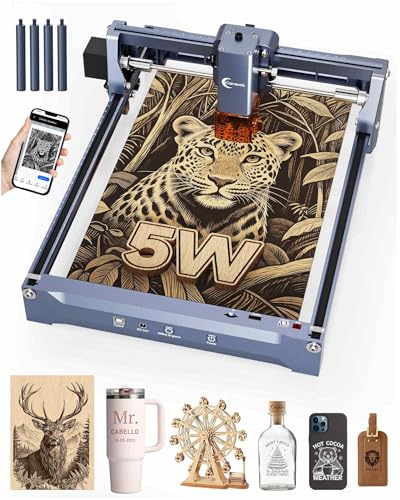
The Carverall K15 Pro 5W laser cutter emphasizes precision with 0.01 mm accuracy and a fast 15,000 mm/min engraving speed. It supports a near A4 sized work area (approximately 200×300 mm), making it suitable for detailed acrylic jewelry, decorative panels, and craft items. The machine ships with a complete package, including safety glasses and a straightforward setup process—designed for beginners and intermediate users who value a reliable, compact solution.
With true 5W output, the K15 Pro is positioned as a capable performer on a budget, delivering clean cuts through thin to moderate thickness acrylic and other materials. It is compatible with popular software like LightBurn and LaserGRBL, helping users integrate into existing workflows. When engraving acrylic, users should consider air assist for cleaner cuts and to reduce scorching on thicker sheets, especially for high-contrast designs.
CREALITY FALCON 10W Laser Engraver

The CREALITY FALCON 10W laser engraver is a high-power option designed for demanding acrylic projects. It includes features like air assist, an emergency stop, and a safety filter for eye protection, contributing to safer operation in busy workspaces. The included rotary kit enables engraving on cylindrical items, expanding capabilities to mugs or tumblers wrapped in acrylic. With 10W of power and a capable control system, this model handles thicker acrylic and denser materials, making it a strong option for professional-grade signs and decor.
The Falcon’s emphasis on safety and multi-material versatility makes it appealing for users who plan to explore a range of acrylic applications, from signage to art pieces. As with all high-power lasers, ensure proper ventilation and eye protection, and calibrate focal length carefully to maximize edge quality and minimize burn marks on acrylic surfaces.
Buying Guide: Key Factors For Acrylic Laser Cutting And Engraving
- Power versus material thickness: Higher wattage shines with thicker acrylic and deeper engravings. For thin acrylic sheets, 5–7W models can be sufficient, while 10W and above are better for robust cuts and smoother edges on clear or colored acrylic.
- Engraving precision and spot size: Smaller laser spot sizes yield finer details, crucial for intricate acrylic patterns. Look for machines offering 0.04 mm to 0.01 mm spot sizes for sharper results.
- Working area: A larger bed enables bigger projects or batch work. Balance bed size with machine footprint and stabilization features like honeycomb beds and vacuum hold-down options.
- Software compatibility: Ensure compatibility with LightBurn, LaserGRBL, or native software, and confirm whether third-party tools can be used for project flexibility and easier design transfer to the laser.
- Air assist and ventilation: Air assist reduces burn marks and improves cut quality on acrylic. Adequate exhaust helps remove fumes and debris, essential for indoor setups.
- Safety features: Look for emergency stop, enclosed housings, UV or laser filters, and fiber-optic safety interlocks. Always wear proper eye protection.
- Setup and maintenance: Assemblies that ship ready-to-use save time. Integrated focus blocks, adjustable lenses, and easy replacement parts reduce downtime and shipping complexity.
- Rotary support: For cylindrical acrylic items (tumbler wraps, round signs), rotary attachments extend capabilities and should be compatible with the laser model you choose.
- Material compatibility: Acrylic is a core material, but consider how the machine handles coatings, reflective surfaces, or multi-layer combinations. Some acrylics may impart stronger fumes or require different focal lengths.
- Cost of ownership: Compare initial price, replacement lenses, power supplies, and maintenance needs. Cheaper options may save upfront cost but require more frequent consumables or frequent recalibration.
Across these options, the deciding factors for acrylic work usually come down to power, precision, and practical workflow. For hobbyists, compact and easy-to-assemble units with solid safety features and software support can be ideal. For makers pursuing more demanding acrylic projects, systems with larger working areas, higher wattage, and robust camera-assisted alignment provide greater long-term capability. Safety, ventilation, and proper eye protection remain non-negotiable regardless of model.