Answer: For high-heat applications, choose gold spray paints engineered to endure extreme temperatures while delivering durable, corrosion-resistant finishes. This guide highlights top options for engines, fire pits, grills, and other heat-exposed surfaces. Best for automotive parts, stoves, and outdoor metal hardware, these picks balance color, durability, and heat tolerance. Each product section explains who it suits, why it stands out, and a brief caveat to watch for.
| Product | Best For | Why It Stands Out |
|---|---|---|
| Seymour EN-50 Hi-Tech Engine Spray Paint, Universal Gold | Engine parts and OEM equipment | Factory-color restoration, heat resistance to 300F, chemical and gas resistant |
| Stove Bright 8123 High Temp Spray Paint, Gold | fireplaces, stoves, grills | Up to 1200°F, durable satin gold finish |
| Dupli-Color Engine Paint with Ceramic, Universal Gold | Engine components, mechanical areas | Ceramic for heat dissipation and gloss retention |
| Rust-Oleum High Heat Ultra Semi-Gloss Aged Copper | Outdoor grills, radiators, BBQs | Resists heat up to 1200°F with corrosion protection |
| VHT Caliper Paint, Gloss, Gold | Brake calipers and metal parts | Ceramic resins with heat resistance to 900°F |
Seymour EN-50 Hi-Tech Engine Spray Paint, Universal Gold

This spray is formulated to restore factory color on engines, transmissions, and OEM equipment. It creates a durable coating that resists heat up to 300F and guards against chemical and gas exposure. Best for buyers needing a color-matched finish on engine bays or mechanical housings. Consider this option if you want color fidelity closer to original equipment and moderate heat exposure. Caution: heat exposure beyond 300F may degrade the finish over time.
Stove Bright 8123 High Temp Spray Paint, Gold

Engineered for extreme heat, this gold spray maintains a smooth, durable finish up to 1200°F. It suits fireplaces, stoves, fire pits, grills, and engine parts. Best for projects requiring a heat-sealed look and resilience under continuous heat exposure. Choose this if you need indoor-outdoor versatility and a satin gold sheen. Limitation: for best indoor results, pairing with the recommended prep/primer yields the longest color life.
Dupli-Color Engine Paint with Ceramic, Universal Gold

Designed for engine components, this ceramic-enhanced paint aims to maximize heat dissipation and gloss retention. It resists blistering, flaking, cracking, or peeling and stands up to oil and automotive fluids. Best for parts that experience heat and exposure to oils. Choose this when you want a high-gloss gold finish with ceramic protection. Limitation: not specified for extreme outdoor weather without primer considerations.
Rust-Oleum High Heat Ultra Semi-Gloss Aged Copper

Ideal for external surfaces like grills and radiators, this oil-based formula resists rust and corrosion while withstanding up to 1200°F. It dries to the touch in about 30 minutes and covers a broad area, making it efficient for quick projects. Best for outdoor metal surfaces needing a durable, copper-toned finish. Limitation: oil-based formulas can be tougher to clean off and may require proper ventilation during application.
VHT Engine Metallic, Flat, Gold Flake
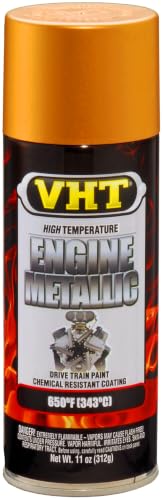
This flat gold flake finish provides a metallic look and chemical resistance for drive trains and other exposed metal. It withstands intermittent temperatures up to 650°F. Best for automotive details where a distinct metallic texture is desired. Choose this if you want a flatter finish with visible gold specks. Limitation: not ideal for surfaces requiring high-gloss perfection in heat-exposed areas.
Rust-Oleum Automotive High Heat Spray Paint, Flat Black
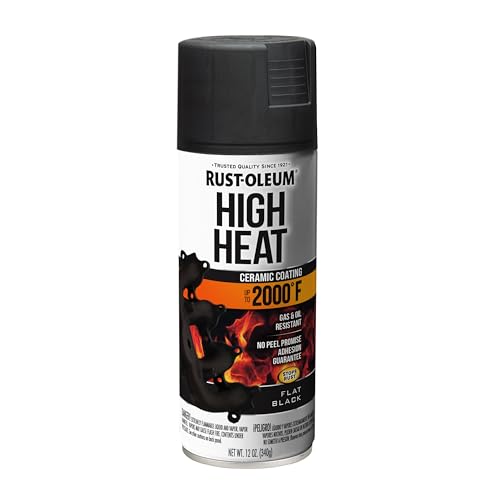
Though not gold, this option handles automotive parts and various surfaces exposed to intermittent high heat up to 2000°F. It provides a Stops Rust protection to prevent corrosion. Best for buyers who want a dark, heat-ready base or are refreshing black components. Limitation: color option is not gold, so it’s not suitable for color-matching gold finishes.
Buying Guide
- What finish do you want? Gloss, satin, or flat affects appearance and maintenance. Gloss and semi-gloss show richer color but may highlight surface imperfections; satin and flat can mask them.
- What temperature will the painted surface experience? Choose paints rated for the highest anticipated temperature to avoid premature peeling or blistering.
- Is the surface indoors or outdoors? Indoor-only projects benefit from inert primers and compatible cleaners; outdoors require UV and weather resistance.
- Is the surface metal, ceramic, or coated? Some paints bond better to bare metal, while others require primers for optimal adhesion.
- Oil resistance and chemical exposure matter for engines and automotive parts. Look for ceramic or resin-enhanced formulas when fluids are present.
Frequently Asked Questions
- What is the highest heat a gold spray paint can handle? Most high-heat gold sprays are rated around 900–1200°F for exterior surfaces; always check the product’s specification.
- Can high-heat paints be used indoors and outdoors? Yes, but follow the manufacturer’s guidance on ventilation and primer requirements for indoor use.
- Do ceramic additives improve performance? Ceramic components can improve heat dissipation and gloss retention, especially for engine parts.
- Will these paints prevent rust? Many high-heat paints include rust-inhibiting properties, but surface prep and primers also influence corrosion resistance.
- How long should I wait between coats? Typical guidance is to recoat after the previous layer dries to the touch, usually within 15–30 minutes, but follow product-specific instructions.
- Are there safety considerations? Wear protective gloves and ensure proper ventilation when spraying, and avoid inhaling fumes.
Note: This article analyzes product features and intended uses as listed. It does not introduce hands-on testing or ratings beyond the provided specifications. The focus remains on selecting gold or gold-like high-temperature paints suitable for engines, grills, and other heat-exposed metal surfaces.