When you need a reliable fabric repair, heat seal tape is your best ally. This guide highlights five proven options for outdoor gear, tents, jackets, and other fabric projects. Each product is selected for durability, ease of use, and compatibility with common fabrics. Ideal buyers include DIY repair enthusiasts, outdoor travelers, seam-sewing hobbyists, and anyone needing quick, durable fabric sealing without sewing.
Summary of selected products:
- AHANDMAKER Waterproof Seam Tape for Jackets — Flat TPU cloth tape for jackets, tents, and rain gear.
- Xelsluthe Seam Tape — Premium waterproof seam sealing tape for outdoor gear and tents.
- Klangfeiler Iron On Hemming Tape — Extra-strong hemming tape for drapes and garments with ironing required.
- XIWENQUKU 1 Roll 65′ Iron on Hot Melt Seam Sealing Tape — Large roll for frequent repairs and outdoor gear.
- Ech.Apr TPU Seam Sealing Tape — Waterproof tape for tents, outdoor gear, and apparel.
AHANDMAKER Waterproof Seam Tape For Jackets

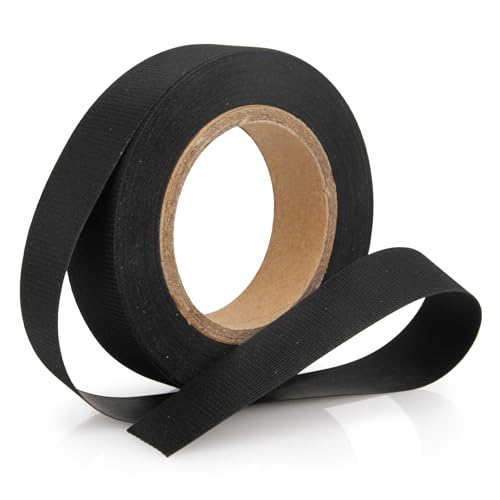
Product: AHANDMAKER Waterproof Seam Tape for Jackets Flat 45.9Ft TPU Cloth Heat Sealing Tape, 0.79” Iron-On Seam Sealing Tape for Tent Repair Fix Fabric Outdoor Jacket Rain Gear Clothing, Black.
- Best for: Repairing jackets, tents, rain gear, and other fabric items where a waterproof seam is needed.
- Why selected: Long roll length (45.9 ft), broad 0.79″ width provides strong seam coverage and cost-effective repairs.
- Caution: When applying with heat, ensure a protective barrier (paper or cloth) to avoid scorching delicate fabrics.
Xelsluthe Seam Tape

Product: Xelsluthe Seam Tape, 65′ Iron on Hot Melt Seam Sealing Tape, Waterproof Fabric Repair Adhesive Fusible Tapes for Outdoor Gear Raincoat Tent Awning Sportswear.
- Best for: Outdoor gear repairs and tent seam sealing requiring a strong, flexible bond.
- Why selected: Premium waterproof material with rapid adhesion activation and durable results under varying weather conditions.
- Caution: Requires an iron or heat press; invisible repairs rely on proper temperature and time control.
Klangfeiler Iron On Hemming Tape
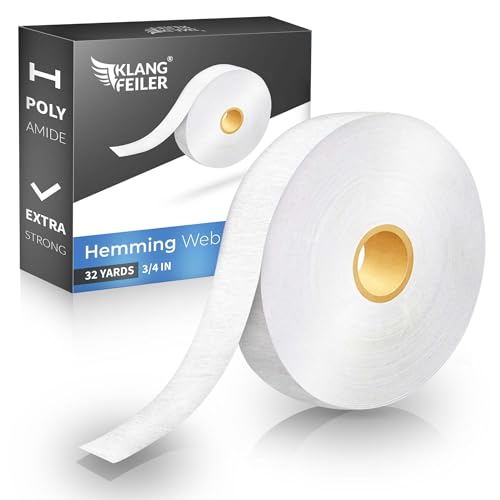
Product: Klangfeiler® Iron on Hemming Tape – 0.75 INCH x 32 Yards – Extra Strong – Iron Required.
- Best for: Hemming curtains, hems on pants, and light to medium-weight fabrics where stitching is impractical.
- Why selected: Extra-strong bond for thicker fabrics and easy ironing; widely compatible with many fabrics.
- Caution: Not recommended for very thick fabrics like heavy denim; heat exposure must be controlled to prevent scorching.
XIWENQUKU 1 Roll 65′ Iron On Hot Melt Seam Sealing Tape
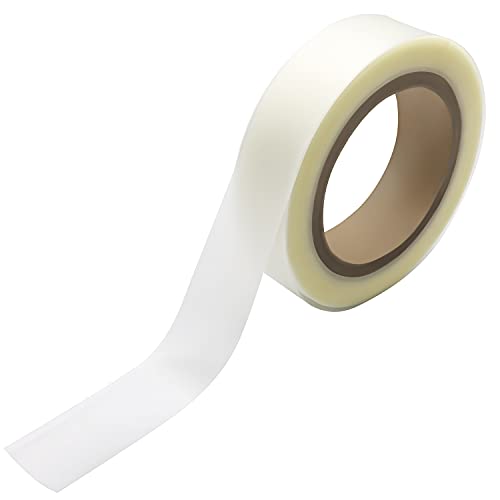
Product: XIWENQUKU 1 Roll 65′ Iron on Hot Melt Seam Sealing Repair Adhesive Fusible Tape, Layer for Waterproof PU Coated Fabrics Sportswear Outdoor Gear Raincoat Tent Awning (Clear, 0.78″ X 0.04″).
- Best for: PU-coated fabrics and outdoor gear repairs where a clear, flexible seal is beneficial.
- Why selected: Large roll and flexible adhesive designed for durable, water-resistant seams.
- Caution: Requires proper surface preparation and heat activation to ensure lasting bond.
Ech.Apr TPU Seam Sealing Tape – White
Product: Ech.Apr TPU Seam Sealing Tape – Waterproof Heat-Seal Fabric Repair Tape for Tents, Outdoor Gear, and Apparel, 0.79 in x 5.47 yd, White.
- Best for: Sealing sewn seams on outdoor garments, tents, and waterproof gear where visibility of tape is acceptable or desired.
- Why selected: Three-layer composition (nylon/polyester mesh, TPU membrane, hot melt adhesive) provides durable adhesion.
- Caution: Width and length limits may require multiple strips for larger seams.
Buying Guide: How to Choose The Right Heat Seal Tape For Fabric
What fabric type can each tape handle?
Most heat seal tapes work best on smooth, coated, or laminated fabrics like PU, nylon, and polyester. Cloth-backed tapes can support cotton blends and soft shells, but thick denim or heavy wool may require higher heat or more robust tapes.
Is heat activation required?
Several options require ironing or a heat press to activate the adhesive. Check you have access to a suitable heat source and know the recommended temperature range to avoid scorching or incomplete seals.
How long does a seal last in outdoor conditions?
Look for tapes with waterproof membranes and flexible adhesives that resist hydrolysis and temperature variation. Outdoor gear often benefits from tapes described as weather or water resistant, with durable bonding under sun and rain.
What length and width are optimal for your project?
Wider tapes cover seams more quickly, but may not fit narrow seams. Longer rolls reduce replacement frequency. Choose based on the size of repairs and the frequency of use you anticipate.
Application tips for best results
- Prepare surfaces by cleaning and drying thoroughly before applying.
- Place a barrier (cloth or parchment) between iron and fabric to prevent scorching.
- Apply even heat and pressure for the recommended duration.
- Allow to cool fully to ensure a strong bond.
Durability and environmental considerations
Consider tapes designed for outdoor use with UV resistance and hydrolytic durability. For tents and gear exposed to harsh weather, opt for waterproof, flexible adhesives that maintain elasticity over temperature changes.
FAQ
- What tape is best for waterproof tent seams? Look for tapes marketed as waterproof and designed for outdoor gear, such as tent and rainwear tapes with heat-activated adhesives.
- Do these tapes require sewing? Not necessarily. Many tapes are designed for heat activation and can replace sewing for quick repairs.
- Can I use an iron on all fabrics? Iron-on tapes work best on fabrics compatible with their heat and bonding chemistry; always test on a small area first.
- How long does a repair last? Durability depends on fabric type, activation temperature, and exposure to sun and moisture. Follow manufacturer guidance for best results.
- Are clear tapes better for discrete repairs? Clear or transparent options blend with most fabrics, ideal when aesthetics matter, though color-matching tapes can be preferred in visible areas.
- What should I avoid when using heat seal tape? Avoid overheating, which can cause fabric damage, and avoid applying to very thick materials where penetration is insufficient.