Find the right head armature to support sculpting, mask-making, or clay busts. This guide highlights five top options, explaining who each is best for and why. Whether you’re building life-size busts, delicate facial studies, or practice heads for wig and mask work, these armatures offer stability, moldability, and reliable work surfaces for artists and crafters alike.
Summary table of chosen products:
| Product | Brand | Best For | Notes |
|---|---|---|---|
| The Monster Makers Life Size Ed Head Armature 2.0 | The Monster Makers | Large busts, mask making, water-fillable | 18″ high, 3 lbs; brow circumference ~23″ |
| Jack Richeson 15″ Head & Bust Armature | Jack Richeson | Lightweight, pliable heads | Suitable for kiln-fired projects |
| The Monster Makers Life Size Female Alanna Head 2.0 | The Monster Makers | Female form busts, mask making | 18″ x 13″ x 10″; brow ~23″ |
| Jack Richeson Armature Wire Head and Bust | Jack Richeson | Wire-based adjustability | Sits on sturdy wooden platform |
| Jack Richeson 13″ Head & Bust Armature | Jack Richeson | Compact, portable head busts | Lightweight, non-staining |
The Monster Makers Life Size Ed Head Armature 2.0

Features include an 18″ H x 13″ W x 11″ D footprint and a 3-lb weight. The head circumference at the brow is approximately 23″, and this model is described as the world’s first water-fillable sculpting bust. Best for large-scale busts and mask projects where a water-fill option helps maintain shape under moisture-heavy materials. A potential limitation is its larger size, which may be less practical for compact studio spaces.
Jack Richeson 15″ Head & Bust Armature

This option is lightweight and highly pliable, making it suitable for delicate sculpture work. It’s described as non-staining and non-corrosive, with suitability for kiln-fired and oven-baked projects. Best for artists who need a portable, forgiving head armature for smaller busts or facial studies. A consideration is that it may offer less mass for larger, water-based busts compared with bigger models.
The Monster Makers Life Size Female Alanna Head 2.0

Designed for female form busts and mask work, this head measures 18″ H x 13″ W x 10″ D with brow circumference around 23″. It is described as water-fillable, enabling stable clay or plaster builds with moisture management. Best for sculptors focusing on female facial anatomy or mask creation. Limitation: similar to the Ed version, its larger footprint may not suit tight studios.
Jack Richeson Armature Wire Head and Bust
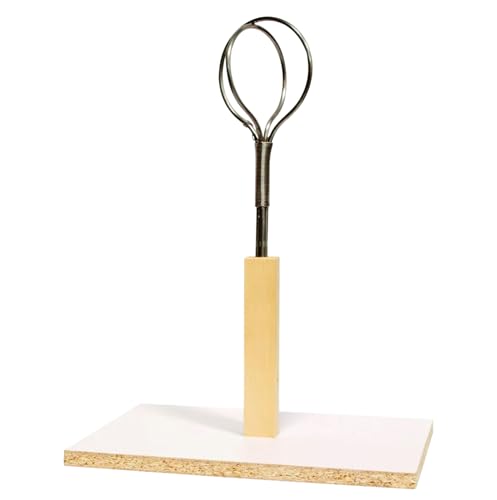
This armature focuses on wire-based adjustability, allowing precise shaping of head contours. It sits on a sturdy wooden platform for added stability. Best for sculptors who need custom poseability and adjustable head forms. A potential drawback is that wire-based systems may require more setup time to achieve the desired stiffness for heavy materials.
15″ Tall Male Mannequin Head Durable Plastic (Abstract)

Note: Not part of the top five sculpting armatures chosen here, but included for comparison of size and form factor. Best for quick display and practice with basic wig or hat placement rather than precise sculpting headwork. Avoid if your primary goal is a dedicated sculpting armature with water-fill capability.
Buying Guide
Key considerations when choosing a head armature for sculpting:
- Size and scale: Match the bust size you routinely work with. Large busts require bigger armatures with stable bases; smaller projects benefit from compact heads.
- Material and water-fill capability: Water-fillable models help prevent warping during moisture-rich sculpting processes. Consider non-water methods if your materials are dry or heat-set.
- Weight and stability: Lighter arms are easier to maneuver, but heavier bases reduce tipping. A sturdy base and a comfortable working height improve workflow.
- Adjustability: For facial studies, lift and jaw adjustments aid accurate anatomy replication. Wire-based systems offer high customization but may need more setup time.
- Material compatibility: Some arms are better suited for clay, plaster, resin, or kiln- or oven-fired materials. Check whether the armature can withstand the intended medium and heat exposure.
- Storage and space: If studio space is limited, prioritize compact or foldable designs with stable storage.
Frequently Asked Questions
- What is an armature head used for in sculpting?
An armature head provides a stable form to support clay or plaster as you sculpt facial features, busts, or masks, enabling consistent shaping and detail work.
- Why choose a water-fillable armature?
A water-fillable armature helps maintain shape when working with moisture-heavy materials or when adjusting soft clay, reducing warping and sagging during build-up and drying.
- Should I buy a larger head for beginners?
Beginners may start with mid-sized heads to build foundational skills before moving to life-size busts, which require more space and stability.
- Are wire-based armatures suitable for all mediums?
Wire-based systems offer high adjustability but may require more time to secure stiffness, especially with heavy or high-resin materials.
- What storage considerations matter?
Look for armatures with compact bases or removable components to maximize storage efficiency in small studios.