When fabric repairs or alterations are needed fast, a reliable glue stick can save time and avoid sewing. The following selections cover a range of fabrics—from cotton and denim to delicate blends—highlighting easy application, drying times, and washability. Use this guide to compare stick types, nozzle design, and bonding strength for small fixes, hems, patches, and craft projects.
| Product | Brand | Key Benefit |
|---|---|---|
| Aleene’s No-Sew Temporary Fabric Glue Sticks, .28oz 2-Pack | Aleene’s | Quick, temporary hold for fabric repairs without sewing |
| FITTDYHE Fabric Glue Permanent, 60 ML | FITTDYHE | All-fabric compatibility with precision nozzle and anti-clogging cap |
| Surebonder Fabric Hot Glue Sticks, 4-Inch, 12 Pack | Surebonder | Strong, machine-washable bond for a wide range of materials |
| Dritz 401 Fabric Glue Stick, 0.28-Ounce | Dritz | Compact, travel-friendly option for quick fixes |
| Aleene’s DIY Craft Industrial-Strength Glue Sticks, 2 Pack | Aleene’s | Durable bond for repairs and craft projects with a clear finish |
Aleene’s No-Sew Temporary Fabric Glue Sticks

Aleene’s No-Sew Temporary Fabric Glue Sticks are designed for quick, no-sew fixes. The glue sticks provide a temporary hold suitable for hems, patches, and crafts where sewing isn’t practical. They are lightweight and convenient for small projects, with a simple adhesive path that reduces pinholes and stitching. Ideal for beginners or quick-adjust repairs, these sticks can help secure fabric edges before a more permanent solution is chosen. While not intended as a full replacement for sewing, they offer a dependable option for temporary fabric adherence and craft alignment.
FITTDYHE Fabric Glue Permanent

FITTDYHE Fabric Glue Permanent offers broad fabric compatibility, including cotton, denim, leather, polyester, and more. The kit includes spreaders and clips to help distribute adhesive evenly along seams, with a recommended 24–48 hour dry time for a secure hold. It features a precision nozzle and a cap designed to prevent clogging, enabling targeted application and minimizing waste. This option suits repairs that require a durable bond without sewing, such as hem adjustments, patches, or repairing garments damaged by wear.
Surebonder Fabric Hot Glue Sticks
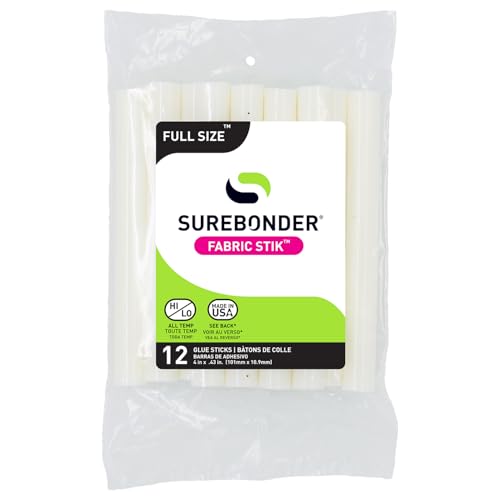
Surebonder Fabric Hot Glue Sticks are formulated for fabric projects and deliver a strong, flexible bond. They are designed to work well with lighter fabrics like lace, ribbon, and felt, but also suitable for leather and other materials when used with appropriate glue guns. The sticks are compatible with low- to high-temperature guns, offering a balance between bond strength and material safety. This option is especially useful for craft projects, decorative applications, or quick fixes where a rapid, hand-held adhesive is preferred.
Dritz 401 Fabric Glue Stick

Dritz 401 Fabric Glue Stick offers a compact option for quick fabric repairs and minor alterations. Weighing in at a small size, this glue stick is suitable for on-the-go fixes and projects that benefit from precise, targeted adhesion. The product notes indicate a lightweight package and a compact form factor, making it convenient for travel or storage in a craft kit. While more suited to temporary or lighter-duty fixes, it remains a dependable tool for routine fabric maintenance.
Aleene’s DIY Craft Industrial-Strength Glue Sticks

Aleene’s DIY Craft Industrial-Strength Glue Sticks are designed for durable repairs and craft projects. They dry clear with no visible residue, supporting a clean finish on a variety of fabrics. This option is well-suited for repairs requiring long-lasting adhesion, including patches, embellishments, and fabric overlays. The sticks offer a robust bond that remains flexible after drying, making them practical for everyday wear and frequent washing scenarios where permitted by the adhesive’s guidelines.
Buying Guide
- Fabric type and bond needs: Different fabrics respond differently to glue. For delicate fabrics like silk or lace, opt for precision nozzles and flexible bonds. For denim or leather, higher-tack formulas may be better.
- Drying and curing time: Consider whether you need a quick hold or a longer cure period for a durable seam. Some products require 24–48 hours to reach maximum strength.
- Washability and care: If the repaired item will be washed, select a glue labeled machine washable or water-resistant after drying. Note that some glues are not suitable for high-heat washing or tumble drying.
- Application method: Nozzles, precision tips, and included spreaders influence how evenly you can apply adhesive. A cap that prevents drying is a practical feature.
- Bond strength vs. removeability: For temporary fixes, lighter sticks or removable bonds may suffice. For permanent repairs or frequent use, choose a stronger, longer-lasting adhesive.
- Safety and odor: Look for low-odor or non-toxic formulations, especially if children or pets will be near the project.
- Open time and repositioning: Some glues allow a brief window to adjust fabric placement before setting, which can reduce mistakes.
- Compatibility with tools: If you plan to use a glue gun, ensure the sticks are sized for your gun (most fabric sticks are 7–11 mm in diameter; confirm length and compatibility).
- Residue and finish: Clear-drying formulas prevent visible residues on fabrics. Some sticks dry purple during application for alignment, then dry clear for a neat finish.
Choosing the right fabric glue stick depends on the project scope, fabric type, and desired durability. For quick, non-permanent fixes, smaller sticks with easy-to-control application are ideal. For repair work that endures washing and wear, stronger, longer-lasting formulas with precise tips and proper curing times should be prioritized. Always follow the manufacturer’s directions for best results and test on a small inconspicuous area first to avoid any fabric damage.