Whether you’re outlining studio ideas or adding fine lines to a comic panel, the right fountain pen can elevate your drawing. This guide highlights five top pens favored by artists for expressive lines, consistent ink flow, and comfortable handling. Each option balances performance and price, making them suitable for beginners exploring ink drawing or seasoned artists refining their craft.
Summary of selected products
| Product | Brand | Notable Feature |
|---|---|---|
| Kuretake TAKUJO (No.8) Fountain Brush Pen | Kuretake | Flexible brush tip for brush lettering and inking |
| ROTRING ArtPen Fountain Pen | RoTring | ArtPen nibs for precise lettering and sketching |
| Sailor Fude De Mannen | セーラー万年筆 | Nib angle enables calligraphy-style strokes |
| LAMY Safari Umbra | Lamy | Ergonomic grip and versatile nib widths |
| Zebra Fountain Pen Set | Zebra Pen | Disposable set with fine point for clean lines |
Kuretake TAKUJO Fountain Brush Pen

The TAKUJO (No.8) is a professional brush pen designed for calligraphy, manga, and fine art drawing. Its high-quality synthetic brush tip produces thick and thin lines with precision, delivering excellent elasticity and durability. The long body improves balance during extended drawing sessions, and the black water-based ink blends with water for washes while remaining smudge resistant. This pen suits artists seeking expressive brush lettering and inked illustrations with smooth, controllable flow.
ROTRING Fountain Pen ArtPen

The ROtrring ArtPen blends the feel of a quill with the convenience of a modern fountain pen. Its nibs are made from durable stainless steel and are easy to replace, allowing artists to experiment with different line qualities. The pen’s balanced grip supports comfortable long drawing sessions, enabling precise lettering, sketching, and calligraphy. It’s ideal for ink-based art where consistent line accuracy matters, and it pairs well with various ink types and cartridges.
Sailor Fude De Mannen Calligraphy Fountain Pen
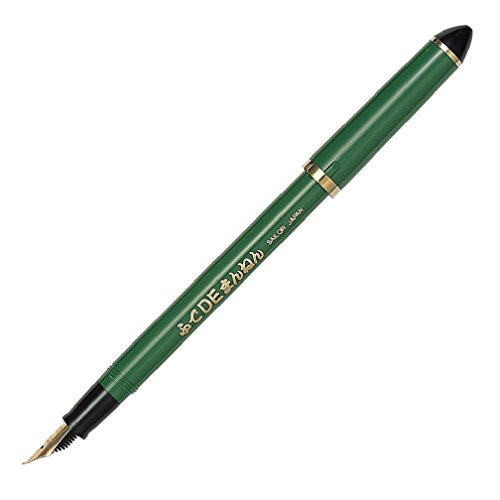
The Fude De Mannen from Sailor offers a specialized nib that excels at calligraphy-style strokes, with a high-angled “Wakatake” nib at 55 degrees for fine lettering. Its design allows varying line thickness by adjusting the pen angle, enabling artists to achieve expressive calligraphic lines within drawings and illustrations. The nib’s performance makes it a strong choice for brush-like effects in ink drawings and lettering within panels or pages.
LAMY Safari Umbra Fountain Pen

The LAMY Safari Umbra is a design icon known for its ergonomic grip, durable construction, and interchangeability of nib widths. The pen’s translucent body helps monitor ink levels, which is useful during long drawing sessions. Its versatile nib options support a range of line weights—from fine to broader strokes—making it suitable for sketching, shading, and detailed line work. The Safari’s reliability and comfort have made it a staple for artists who prefer a consistent fountain pen experience.
Zebra Fountain Pen Set

The Zebra Pen Fountain Pen Set provides a budget-friendly option with two pens featuring a 0.6mm fine point and non-toxic ink. This set emphasizes smooth ink flow and reliable performance for everyday drawing tasks, planning, and light ink illustration. The stainless steel nib contributes a satisfying feel during stroke work, and the color-matched barrel makes it easy to identify ink choices while drawing or journaling.
Buying Guide: Key Purchase Considerations
When choosing a fountain pen for drawing, consider tip flexibility, ink flow, and ergonomics. Brush nibs and flexible tips offer expressive lines, but can require more control and maintenance. Fixed-nib pens provide predictable performance, ideal for consistent sketches and comic panels. Ink compatibility, such as water-based versus pigment inks, affects blending, shading, and wash effects.
- Nib Type and Versatility: For varied line work, look for pens with brush tips or nibs that support both fine and broader strokes. Nib angles and flexibility determine stroke contrast and expressiveness.
- Grip and Comfort: Long drawing sessions demand an ergonomic grip. Pens with soft grips, balanced weight, and comfortable barrels reduce fatigue.
- Ink and Maintenance: Water-based inks are easy to clean and blend but may feather on certain papers. Refillable converters extend usage; cartridges offer convenience but limit ink variety.
- Paper Compatibility: Heavy, smooth papers hold ink better, preventing feathering and bleed-through. Consider test swatches when selecting inks for a favorite paper stock.
- Durability and Value: Durable pens sustain long-term use for art projects. A versatile pen with replaceable nibs or a set with multiple nibs can save money over time.
- Left-Handed Use: Some nibs and pen shapes perform better for left-handed artists. Look for pens with quick-dry inks and smooth starts to reduce smudging.
For beginners, starting with a versatile pen that can handle both precise lines and broader shading is beneficial. Intermediate and advanced artists may prefer brush-tip pens for looseness and dynamic strokes or high-quality nibs from brands like RoTRing or Sailor for consistent ink delivery and refined control. Evaluating your preferred drawing style—precise line art, calligraphy-inspired lettering, or loose sketching—will guide the best pen choice.