The best fly tying foam cutter depends on the pattern and size you plan to make. The Morrish Hopper cutters suit anglers producing foam hopper bodies in specific sizes, while the River Road beetle cutter is designed for a consistent beetle silhouette. For other patterns, consider the Gary Krebs baitfish cutter or a crab cutter set with multiple sizes. The Cuoyuqie tool is an option for grass cricket patterns, though its product details provide less information about its design and dimensions.
| Product | Best For | Key Feature |
|---|---|---|
| Morrish Hopper Body Cutter, Small | Hopper bodies in sizes 10–12 | Includes cutting pad; cuts foam up to 6 mm |
| River Road Beetle Cutter | Beetle patterns | Consistent beetle silhouette |
| Gary Krebs Baitfish Series Cutter | Baitfish patterns | Sunfish, shad, and minnow shapes |
| Hareline Crab Claw Set | Crab patterns in multiple sizes | Small, medium, and large cutters |
| Cuoyuqie Foam Body Cutter | Grass cricket patterns | Single cutter tool |
Morrish Hopper Body Cutter, Small
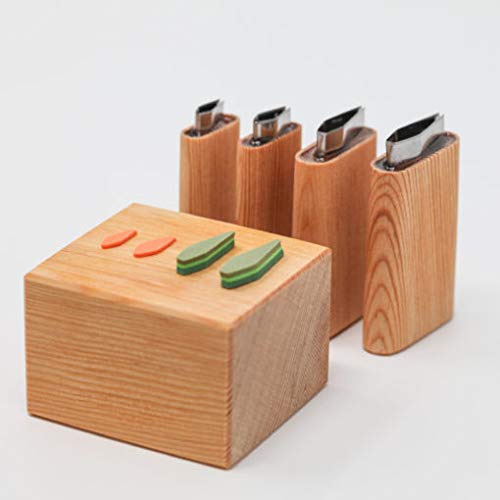
This cutter is best for fly tiers making small Morrish-style hopper bodies. Its listed size range is 10–12, making it a more specific choice than a general-purpose foam cutter. The product information describes a razor-sharp cutter intended to stamp out consistent shapes and says it cuts through foam up to 6 mm thick.
A cutting pad is included, which is useful when setting up a surface for stamping foam shapes. Choose this model if the size range matches the flies you tie and you want a dedicated hopper-body shape. Avoid choosing it as your only cutter if you need shapes for beetles, baitfish, or other patterns; the listed design is specialized.
River Road Beetle Foam Body Cutter

The River Road Beetle Foam Body Cutter is best for tiers who regularly tie beetle patterns. Its stated purpose is to create a beetle silhouette, and the product description emphasizes faster tying and consistent results. That focused shape can help reduce repeated freehand cutting when making several flies of the same pattern.
Choose this cutter if a beetle profile is the shape you need most. The listing does not specify a size range, foam thickness limit, or whether a cutting pad is included, so check those details before purchase if they affect your setup. It is less suitable as a broad pattern kit because its listed shape is specifically for beetles.
Gary Krebs Baitfish Series Foam Cutter

This cutter is best for fly tiers making baitfish-shaped foam components. The product features identify sunfish, shad, and minnow cutters, giving it a clear advantage for anglers who tie several baitfish profiles rather than focusing only on terrestrial patterns.
Choose this option when one of the listed baitfish shapes matches your fly patterns. The available product details do not clarify whether the listed shapes come as a set or describe variants, nor do they give measurements or a foam thickness limit. Confirm the selected cutter and its dimensions before ordering if a particular profile or fly size is essential.
Hareline Crab Claw Cutter Set

The Hareline Crab Claw set is best for tiers who want crab-claw shapes in more than one size. The listed set includes small, medium, and large options, along with wood handles and sharp blades. Multiple sizes can be useful when tying different-sized crab patterns or when you want to vary the scale of a fly.
Choose this set over a single-size cutter if size flexibility matters. Its listed purpose is crab claws, so it is not a substitute for a full crab-body cutter or a general assortment of foam shapes. The product details do not state the exact dimensions or foam thickness capacity.
Cuoyuqie Grass Cricket Foam Cutter

This single foam body cutter is best for buyers seeking a tool associated with grass cricket fly patterns. The listing describes it as well-designed, durable, and practical, and specifies a quantity of one tool. It may suit a tier who needs a dedicated shape rather than a multi-piece cutter collection.
The product information does not provide dimensions, blade details, foam thickness capacity, or a cutting pad. That limited specification makes it harder to compare with the Morrish Hopper cutters. Check the product listing for the exact shape and size before buying, especially if you need a precise pattern profile.
Buying Guide: How to Choose a Foam Cutter
Which pattern do you tie most often?
Start with the fly shape, not the brand. A dedicated hopper cutter is a practical match for hopper bodies; a beetle cutter is intended for beetle silhouettes; baitfish cutters serve patterns such as sunfish, shad, and minnows. For crab flies, distinguish between a claw cutter and a tool intended to cut the whole body.
Do you need one size or several?
A single-size cutter can be a good fit when you repeatedly tie one pattern at a known size. A set with small, medium, and large options offers more flexibility, but check what each size cuts. For the Morrish Hopper small model, the stated range is sizes 10–12; the separate size 08 model is a different option if you tie larger flies.
What foam thickness and work surface will you use?
Check the cutter’s stated foam capacity before purchasing. The Morrish Hopper product information specifies cutting foam up to 6 mm and includes a cutting pad. Comparable thickness or pad details are not provided for every product here. Use the listing specifications to confirm whether a cutter suits your foam and work area.
Are handle details important?
Wood handles are listed for the Hareline crab-claw set and the River Road Mangrove Crab cutter. Other product descriptions may not specify handle materials. Compare these details if you prefer a particular grip style, and avoid assuming that an unlisted feature is included.
Frequently Asked Questions
What is a fly tying foam cutter used for?
A foam cutter stamps a repeatable shape from foam for a fly pattern. Pattern-specific cutters can make it easier to produce matching bodies or components.
Which cutter is best for small hopper patterns?
The Morrish Hopper Body Cutter, Small, is listed for sizes 10–12. It also includes a cutting pad and is described as cutting foam up to 6 mm thick.
Can a beetle cutter replace a general foam cutter?
Not necessarily. The River Road cutter is described as making a beetle silhouette, so it is best suited to that pattern rather than a range of unrelated shapes.
What should I check before buying a cutter?
Confirm the intended pattern, size, foam thickness capacity, included accessories, and whether the listing describes one cutter or multiple sizes.