Choosing the right exposure unit is essential for reliable screen printing results. This guide highlights five top-performing units that balance speed, consistency, and ease of use. Each option features a 395 nm UV/LED lamp and adjustable stands to help you achieve crisp stencil details with minimal waste. Whether you’re a hobbyist or a small shop, these picks are designed to deliver even exposure across various screen sizes while keeping setup simple and safe.
| Product | Brand | Key Benefit |
|---|---|---|
| Dorhui 50W LED Exposure Unit | Dorhui | Uniform 395 nm UV exposure; adjustable stand; wide projection |
| Caydo 2PCS 50W LED UV Exposure Light | Caydo | Two lights for flexible frame sizes; 395 nm UV; 3–5 min curing |
| ANGOO LED Exposure Unit (50W) | ANGOO | 1–999s adjustable timer; foldable/compact; quick cure |
| UrekaGo UV LED Exposure Unit | UrekaGo | 50W/395 nm with foldable stand; versatile use and stability |
| Screen Print Direct 30W UV LED Exposure | Screen Print Direct | Beginner-friendly, time-efficient exposure; precise image transfer |
Dorhui 50W LED Exposure Unit for Screen Printing

The Dorhui exposure unit uses a 50W UV lamp at 395 nm to provide uniform illumination, aiming to shorten curing times for photosensitive emulsions. Typical exposure ranges around 3–5 minutes, depending on emulsion thickness. An adjustable light stand enables precise positioning, with a distance range from 1″ to 20″ and 360° rotation for even curing without dead corners. A large UV light design with high-transmittance glass covers helps maximize light efficiency for larger items.
Caydo 2PCS 50W LED UV Screen Printing Light Exposure Unit

This 2-pack from Caydo includes two 50W UV exposure lights, stands, cable ties, and hooks. The 395 nm wavelength provides uniform illumination suitable for reducing cure times, typically 3–5 minutes depending on emulsion thickness. The two-light design supports different frame sizes (up to 20 x 24 inches) or separate configurations for larger runs, offering flexible setup without tools.
ANGOO LED Exposure Unit for Screen Printing

The ANGOO exposure unit features a 50W LED with a 395 nm wavelength and a timing device adjustable from 1 to 999 seconds. It is designed for quick curing, with typical times in the 5–15 minute range depending on emulsion thickness. The unit requires no assembly—simply extend the frame, adjust height and angle, and start exposing. Its timer and straightforward operation target users seeking reliable results with minimal setup.
UrekaGo UV LED Exposure Unit
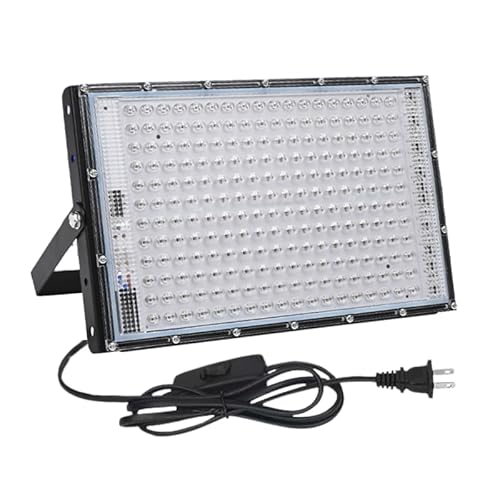
UrekaGo combines a high-intensity 50W, 395 nm UV light with a foldable stand to deliver precise exposure for cyanotypes and screen printing. Its heavy base and tilt-adjustable design provide stability without screws, enabling easy repositioning for optimal exposure. The stand also doubles as a versatile holder for accessories like smartphones or tablets, supporting hands-free operation during the exposure process.
Screen Print Direct 30W UV LED Exposure Unit

This beginner-friendly exposure unit from Screen Print Direct uses a 30W UV LED to expose emulsions efficiently, producing crisp images with clear lines. It offers a compact design suited for smaller screens and features an adjustable stand to align the plate precisely. The kit emphasizes speed, with exposure times generally completing within 8–12 minutes depending on the emulsion thickness, helping users move quickly from film to screen.
Buying Guide: Key Purchase Considerations
When selecting an exposure unit, several factors influence results and value. Consider lamp power and wavelength (395 nm is common for diazo emulsions), exposure time ranges, and how evenly the light covers the screen. A stable, adjustable stand helps maintain consistent results across different frame sizes. For larger frames, units offering dual lights or wider projection angles can reduce curing variability. Durability matters; iron or metal casings with protective coatings resist wear in busy shops. Finally, evaluate ease of use: presets, timers, and minimal assembly save time during production runs.
Exposure Time and Emulsion Type
Different emulsions require varying exposure times. Look for units that advertise typical ranges (for example, 3–5 minutes) and compatibility with standard diazo or photo emulsion formulas. A unit with adjustable exposure timers offers flexibility as you test and refine your process.
Size, Coverage, And Versatility
Screen size compatibility is crucial. Some units perform best for 10 x 14 inch frames, others handle larger 20 x 24 inch frames. If you work with multiple sizes, consider kits with two lamps or adjustable stands to cover a range without purchasing additional equipment.
Durability And Stability
Stability reduces drift in exposure, improving repeatability. Heavier bases or foldable stands with secure locking prevent unwanted movement during exposure. Build quality matters in busy shops where equipment is frequently moved or adjusted.
Ease Of Use And Maintenance
Look for user-friendly features like built-in timers, clear exposure indicators, and simple assembly. LED/UV lamps typically require low maintenance, but ensure the unit includes protective housings and safe electrical design for prolonged use.
Cost And Long-Term Value
While price is a consideration, assess long-term value: faster curing saves production time; better exposure consistency reduces waste. Compare features like dual-light configurations, stand adjustability, and warranty coverage to determine true cost of ownership.