Answering the call for precise, evenweave fabrics ideal for embroidery and counted cross stitch, these selections are best for stitchers seeking clean fabric holes and defined coverage. The top picks suit crafters who want consistent counts, clear fabric texture, and reliable needlework results across beginner to intermediate projects. Below, you’ll find brief product contrasts and reasons to choose each fabric type for your next design.
| Product | Count | Color | Best For |
|---|---|---|---|
| Aidalux Linen Evenweave 25ct Dublin Natural Raw 52 | 25 count | Natural Linen | Detail-oriented embroidery and counted cross stitch |
| Aidalux Linen Evenweave 25ct Dublin Raw 53 | 25 count | Raw Linen | Classic needlework with crisp stitch definition |
| SEWCRANE 36 Count Evenweave Cotton Natural Ecru | 36 count | Natural Ecru | Finer details and smoother blends |
| SEWCRANE 28 Count Evenweave White | 28 count | White | General embroidery and cross stitch with bright background |
| SEWCRANE 32 Count Snow White | 32 count | Snow White | Higher-detail projects with clear stitch visibility |
Linen Evenweave for Embroidery 25ct Dublin Natural Raw 52

Best for detailed counted cross stitch and traditional embroidery, this 25-count Dublin linen evenweave offers precise stitch definition. The fat quarter size around 18 inches by 27 inches suits projects that require a substantial, yet manageable fabric area. Pure linen provides a classic texture that enhances the look of fine threadwork. Choose this if you prefer a natural linen hand and strong stitch clarity for intricate designs.
Who it’s best for: stitchers wanting traditional linen texture with crisp definition for complex patterns. Limitation: linen can be more prone to fraying with rough handling; edge finishing is important.
Linen Evenweave for Embroidery 25ct Dublin Raw 53

This Raw variant mirrors the first product’s premium feel with a similar 25-count grid and fat-quarter sizing. It’s well-suited for counted cross stitch and embroidery that benefits from linen’s natural texture. The natural, traditional appearance supports designs where stitch definition is key. Best for stitchers who want the same fabric family in a slightly different linen tone.
Who it’s best for: crafters who value consistent linen texture across multiple projects. Limitation: may require careful washing and pressing to maintain weave integrity.
SEWCRANE 36 Count Evenweave Cotton Natural Ecru

Cotton 36 count provides a finer grid, delivering an elegant balance between detail and fabric visibility. The natural ecru color offers a warm, neutral backdrop—ideal for a wide palette of thread colors. This fabric is a solid choice for experienced stitchers seeking tighter stitching without sacrificing visibility. Best for: small-to-medium detailed patterns where a soft, rustic texture is desired.
Limitation: denser counts can be harder to pull for beginners; ensure proper tension to avoid puckering.
SEWCRANE 28 Count White Evenweave Cloth

At 28 count, this white cotton fabric offers a versatile option for a wide range of embroidery projects. The bright white backdrop makes color visibility pop, which helps with color planning and thread shading. It’s a practical everyday choice for crafters who want reliable performance across many patterns. Best for: general embroidery and beginners transitioning to higher counts. Limitation: lighter-colored fabrics can show dirt more quickly; handle with care.
SEWCRANE 36 Count White Evenweave Cotton
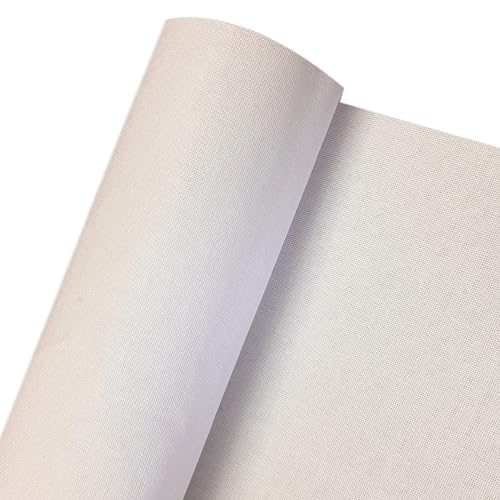
This product offers a 36-count white cotton option, delivering high detail while maintaining a crisp white backdrop for bright thread colors. It’s well-suited to detailed motifs and patterns where stitch precision matters. Best for: stitchers seeking finer detail on a clean white canvas. Limitation: higher count requires careful needle handling to avoid distortion.
SEWCRANE 32CT Snow White Evenweave

Snow White 32-count provides a higher-detail option with a crisp white surface. It’s particularly suitable for complex designs and small stitches where you want maximum clarity. Best for: advanced projects requiring tight, precise stitches. Limitation: more challenging for beginners due to the dense grid and smaller holes.
SEWCRANE 32 Count Natural Warm Color Ecru
Natural warm ecru adds a cozy background tone that can influence shading and thread color choices. With 32 holes per inch, this fabric supports detailed embroidery while maintaining a forgiving weave. Best for: projects where a warm, natural backdrop enhances color depth. Limitation: warmer background may reduce contrast for very light colors.
Buying Guide
- Count and detail level: Higher counts (e.g., 32–36) yield finer detail but are more challenging for beginners. Lower counts (25–28) are easier to manage for larger motifs.
- Fabric type: Linen offers natural texture and crisp stitch definition, while cotton provides smooth handling and easier framing. Choose based on your pattern’s look and your comfort level with fabric texture.
- Color and background: White and snow-white fabrics highlight thread colors clearly, while natural or ecru backdrops can influence perceived stitch contrast and shading.
- Size considerations: Fat quarters (about 18 x 27 inches) are common starting sizes for versatility; plan for multiple projects or larger charts.
- Care and handling: Linen and cotton fabrics may require gentle washing and pressed finishing to maintain weave, reduce fraying, and preserve stitch integrity.
FAQ
- What does “evenweave” mean for embroidery?
Evenweave fabrics have uniform thread counts per inch, providing consistent gridlines that help you place stitches accurately across the design.
- Which fabric is best for beginners?
Cotton evenweave at 28 counts offers a forgiving weave and clear holes, making it a common starting point for new embroidery and cross stitch.
- How does linen differ from cotton in embroidery?
Linen typically has a crisper weave and more pronounced texture, which can enhance stitch definition but requires careful handling to prevent fraying.
- Are higher counts harder to work with?
Yes. Higher counts (32–36) provide more detail but demand finer technique and steadier hands to keep stitches even.
- What is the advantage of using a white background?
White or snow-white fabrics maximize color visibility and contrast, helping you judge shading and color transitions more easily.
- Can I mix fabrics for a project?
Yes, but consider matching thread counts and care instructions to avoid inconsistent tension and distortion across sections.