For artists seeking low-impact, non-toxic options, eco-friendly paints offer safer ways to create while reducing environmental impact. This article highlights five top picks that combine vibrant color, performance, and sustainability. Each product delivers distinct advantages—from natural pigment packs to kid-friendly washable sets—so you can choose based on project type, clean-up needs, and age suitability. Explore options that align with responsible sourcing, safe handling, and enduring archival quality for artwork, crafts, and classrooms.
| Product | Brand | Key Feature |
|---|---|---|
| Natural Earth Pigment Sample Pack | NATURAL EARTH PAINT ECO-FRIENDLY PAINT KITS | 20 non-toxic mineral pigments for DIY paint |
| Petite Natural Earth Paint Kit | NATURAL EARTH PAINT ECO-FRIENDLY PAINT KITS | Eco-friendly, compostable packaging; six colors |
| Color More Deluxe Art Set | Color More | 175 pieces in a wooden case; diverse media |
| IJIANG Acrylic Paint Pens – 12 colors | IJIANG | Water-based, non-toxic, quick-dry |
| Crayola Washable Paint (12ct) | Crayola | Bulk, non-toxic, classroom-friendly |
Natural Earth Pigment Sample Pack

Overview: This pack contains 20 natural earth and mineral pigments ideal for DIY paint making. The pigments are non-toxic, archival, and free from fillers, additives, and petrochemicals. They’re sustainably sourced and suitable for mixing with binders to create oil, watercolor, gouache, egg tempera, or ink. Each pigment has distinct absorption and tinting properties for customized results. Safety notes emphasize dust precautions and use of a mask during mixing; once mixed with a liquid binder, pigments are safe for use.
Why it matters: For artists prioritizing natural materials, these pigments provide a wide range of earthy tones without synthetic additives. They enable experimentation with texture, opacity, and drying behavior while supporting eco-friendly sourcing and domestic production.
Key considerations:
– Pros: Purity of pigments; versatile for multiple painting media; sustainable sourcing; non-toxic.
– Cons: Requires proper handling to avoid inhalation during dry pigment use; may require additional binders and mediums for best performance.
– Best for: Artists and students exploring natural color palettes and archival-quality paint from earth minerals.
Petite Natural Earth Paint Kit

Overview: A compact, eco-friendly paint kit designed for kids and DIY projects. Includes six vibrant mineral pigments and a bamboo brush, packaged in compostable pouches to support zero-waste goals. The kit is non-toxic and made in the USA, suitable for multiple art surfaces with straightforward water-based use.
Why it matters: This kit emphasizes safety for children and households seeking minimal environmental impact. It aligns with classroom activities and at-home crafts that prioritize easy cleanup and sustainable packaging.
Key considerations:
– Pros: Kid-safe and non-toxic; compostable packaging; simple, washable paint.
– Cons: Limited color range; not designed for heavy professional use.
– Best for: Young artists, classrooms, and quick DIY projects with easy cleanup.
Color More 175 Piece Deluxe Art Set
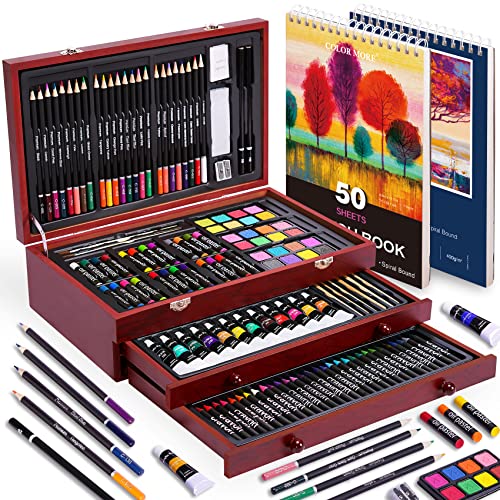
Overview: A comprehensive art set featuring 175 pieces, including crayons, acrylic paints, oil pastels, colored pencils, watercolors, brushes, and drawing pads, all housed in a durable wooden case. The set emphasizes organization and portability, with a design that appeals to students and hobbyists alike.
Why it matters: This set supports diverse media exploration, enabling artists to experiment across media types in one package. The wooden case helps keep supplies organized for on-the-go creativity and studio setups.
Key considerations:
– Pros: Broad media range; organized storage; sturdy case.
– Cons: Not marketed specifically as eco-friendly; packaging materials may vary.
– Best for: Students, families, and beginners building a versatile art kit.
IJIANG Acrylic Paint Pens – 12 Colors

Overview: Water-based acrylic paint pens designed for rock painting, crafts, and various surfaces. The set includes 12 colors with a non-toxic formula that conforms to ASTM D4236, offering waterproof, quick-drying color with strong coverage on metal, fabric, glass, wood, and more. The markers are designed for easy control with a slim body, enabling smooth lines and bold fills.
Why it matters: For artists who prefer marker-based applications with precise lines or fill work, these pens provide a safer, durable option for both indoor and outdoor projects. Their water-based formulation supports cleaner use and cleanup.
Key considerations:
– Pros: Non-toxic and water-based; strong color coverage; versatile surfaces.
– Cons: May require sealing for long-term outdoor exposure.
– Best for: Fine details, lettering, and decorative projects on multiple substrates.
Crayola Washable Paint (12ct)
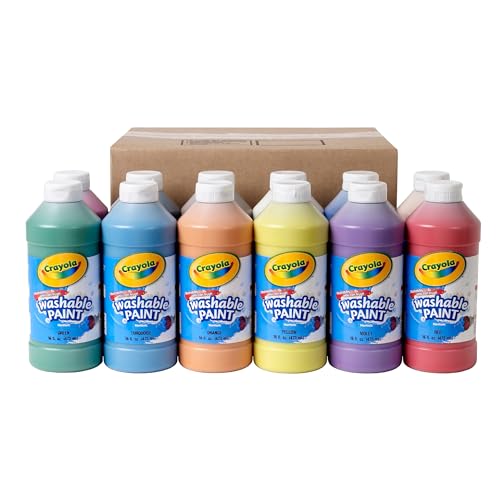
Overview: A bulk pack of 12 washable paints in 16-ounce bottles, ideal for classroom use, parties, and family crafts. The paints are non-toxic and widely used for school projects and everyday art activities, providing easy squeeze bottles and bright, approachable hues.
Why it matters: This option prioritizes safety, accessibility, and affordability for educators and households engaging in large-scale projects with kids. Washable formula simplifies cleanup after creative sessions.
Key considerations:
– Pros: Non-toxic; classroom-ready; easy cleanup.
– Cons: Not designed for professional-grade archival work.
– Best for: Classroom activities, kids’ crafts, and group art sessions.
Buying Guide: Eco-Friendly Paints for Art
- Intended use: Choose between natural pigments for archival painting, kid-friendly washable sets, or marker-based media based on your project scope and age group.
- Safety and ingredients: Look for non-toxic formulations, ASTM D4236 compliance, and minimal synthetic additives to reduce exposure and environmental impact.
- Media compatibility: Ensure the product works with your preferred binders (oil, acrylic, water-based, tempera) and surfaces (paper, wood, fabric, metal).
- Packaging and sourcing: Favor brands with sustainably sourced pigments, compostable packaging, and domestically produced components when possible.
- Color range and performance: Consider pigment purity, tinting strength, opacity, and lightfastness to meet both hobby and professional needs.
- Maintenance and cleanup: Water-based options typically offer easier cleanup, while oil-based or mineral pigment sets may require solvents or additional mediums.
- Durability and archival quality: For fine art, prioritize pigments and binders known for longevity and color stability over time.
- Budget and accessibility: Balance cost with performance; teacher-friendly bulk sets may be advantageous for classrooms, while curated premium kits may suit solo artists.