Answering buyers seeking vibrant soap colors, this guide highlights five top dye sets ideal for soap making, bath bombs, and DIY crafts. Best for crafters who want bold, skin-safe colors with easy blending. See who each product serves and why it was selected, plus a practical buying guide and quick FAQs.
| Product | Range | Best For | Notes |
|---|---|---|---|
| Vividye Soap Dye | 24 colors | High-impact color for soaps and bath bombs | Liquid, skin-safe, premium ingredients |
| Limino 12 Color Bath Bomb Dye | 12 colors | Custom color blending and long-lasting vibrancy | Water-soluble, instructions included |
| DecorRom 20 Color Bath Bomb Dye | 20 colors | Bright, varied palette for layered effects | Liquid colorant, easy to blend |
| YumCraft Soap Dye | 20 colors | Versatile for soaps, bath bombs, lotions | Skin-safe, large color range |
| SigWong Bath Bomb Dye | 36 colors | Extensive palette for neon and pastel shades | Concentrated, single-drop control |
Notes: All products listed are liquid or pigment-based colorants designed for soaps, bath bombs, and related crafts. Each entry includes safety features, blending capabilities, and best-use scenarios to help you pick the right dye set for your projects.
Vividye Soap Dye: 24 Color Set
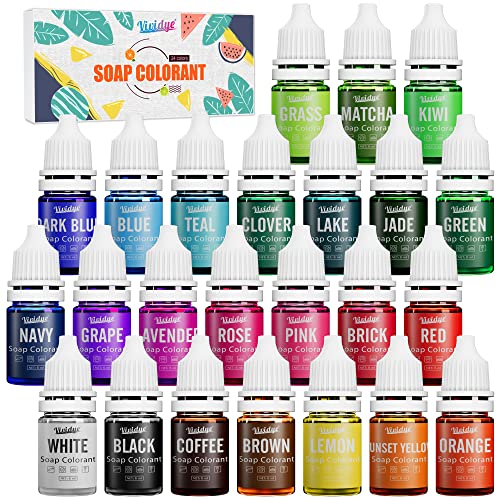
This set provides bold, high-impact colors in a concentrated liquid format. Colorants are water-based, skin-safe, and free from toxins, designed to resist separation in soaps and bath bombs. Best for crafters who want vivid, lasting hues with less product per batch.
Who it’s best for: beginners and experienced makers seeking a wide color range with strong tinting power. Why selected: broad color options, reliable vibrancy, and premium formulation support long-lasting appearance in soaps.
Limitations: as a water-based dye, care should be taken to avoid staining porous surfaces not intended for color transfer. Use with proper handling and containment to prevent accidental dye transfer.
Limino 12 Color Bath Bomb Dye

Limino offers a compact variety of 12 colors with easy dispersion and blending. The dyes are described as food-grade and skin-safe, designed to stay vibrant and clear in various bath products. Includes an e-guide with recipes and steps for use.
Who it’s best for: hobbyists building a cohesive color theme or experimenting with custom shades. Why selected: clear guidance and reliable blendability make it ideal for careful color planning.
Limitations: fewer color options than larger sets; for complex palettes or neon tones, you may want additional colors from another kit.
DecorRom 20 Color Bath Bomb Dye
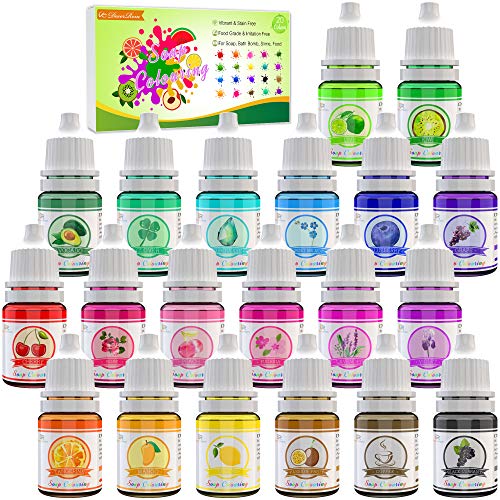
DecorRom provides 20 natural, vibrant colors designed to blend easily for soaps, bath bombs, slime, and lotions. The dyes are described as safe, stain-free, and capable of enhancing depth and brightness in formulations while remaining clear over time.
Who it’s best for: crafters who want versatile color options for layered or gradient effects. Why selected: strong compatibility with multiple products and consistent performance across uses.
Limitations: liquid colorants can bleed if combined with certain powders like mica; plan your layering strategy accordingly.
YumCraft Soap Dye: 20 Colors

YumCraft offers 20 colors with a focus on safety and long-lasting vibrancy. These skin-safe, food-grade dyes are suitable for soaps, bath bombs, lotions, and slime, allowing for bright results without harsh chemicals.
Who it’s best for: makers prioritizing skin safety and ease of use with broad project compatibility. Why selected: consistent color payoff and a practical range for varied projects.
Limitations: as with many liquid colorants, pure white or very light bases may require multiple drops to achieve bright outcomes on darker bases.
SigWong Bath Bomb Dye: 36 Colors
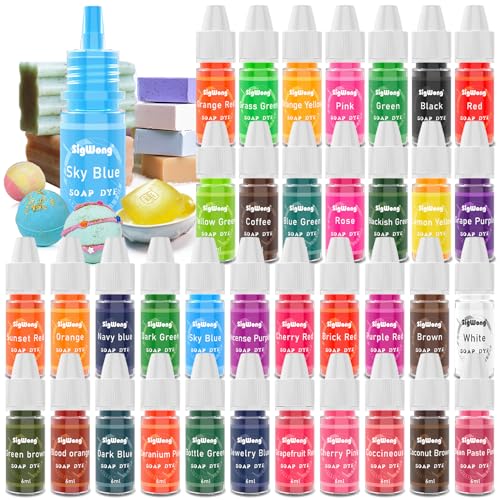
This set expands the palette to 36 colors, including neon and pastel shades. It emphasizes a highly concentrated formula with single-drop control for precise shade creation and easy mixing. Suitable for a wide range of bath products.
Who it’s best for: color-curious makers who want extensive customization and bold neon options. Why selected: large color library supports complex projects and gradient designs.
Limitations: managing such a broad color range may require careful organization to prevent color overlap or muddiness in final products.
Buying Guide: Key Purchase Considerations
What to look for when choosing soap colorants
- Safety and ingredients: choose water-based, skin-safe, toxin-free formulas when making products that contact skin.
- Concentration and drop control: highly concentrated sets let you control shade with small amounts, reducing waste.
- Color range versus project needs: a larger palette is ideal for gradient or layered effects; smaller sets are good for cohesive color themes.
- Compatibility: verify that the dye works with soaps, bath bombs, lotions, and any other planned products.
- Stability and clarity: select dyes that resist bleeding and maintain vibrant color over time in your base formulation.
How to blend and test colors
- Prepare a small test batch to observe color development on your chosen base (soap, bath bomb, slime).
- Document color ratios for future consistency and repeatability.
- Layer colors gradually; start with lighter shades and build to darker tones.
Storage and safety tips
- Store colorants in a cool, dry place away from direct sunlight to preserve vibrancy.
- Keep dyes in tightly sealed containers and label each color clearly.
- Avoid skin contact with concentrated dyes; use gloves when handling.
FAQ
- Are soap colorants safe for skin? Yes, choose dyes labeled as skin-safe and food-grade, and follow usage guidelines.
- Can I mix color sets from different brands? Yes, but test a small batch first to ensure color compatibility and stability.
- Will these dyes stain surfaces? Some dyes can stain porous surfaces; use a protective work area and clean spills promptly.
- How many drops are needed per batch? Start with 1–3 drops for small batches and adjust as needed for depth and shade.
- Do these dyes affect the scent or texture of products? The colorants described are designed to minimize impact on scent and texture, though some formulas may slightly alter appearance.