Quilting design walls help crafters visualize layouts, preview fabric combinations, and keep projects organized from concept to final stitch. This guide highlights top design walls and boards that fit a range of quilting styles, from small crafts to large exhibits. Each pick emphasizes ease of use, material quality, and versatility for various fabrics. Explore options that install easily, provide strong fabric hold, and support portable use for classes, retreats, and shows.
| Product | Size / Scale | Material | Best For |
|---|---|---|---|
| Buryeah Quilt Design Wall (White) 72″ x 60″ | ~60.24 x 72.05 in | Polyester, double-sided fur | Large projects and display-ready layouts |
| Buryeah Design Wall Board Set – 12 Panels | 16″ x 12″ each; 8 sq ft total | Polyester fiber, strong adsorption | Modular, portable wall for retreats and classes |
| Buryeah Quilt Design Wall (Gray) 72″ x 60″ | ~60.24 x 72.05 in | Polyester, double-sided fur | Similar size option with neutral look |
| BXI Thick Flannel Design Wall – 6 Panels | 16″ x 12″ x 0.5″ each | Flannel, felt board | Compact, sturdy modular wall for blocks |
| DECORITA 12 Pack Felt Tiles with Tabs | 11.8″ square tiles | Felt with adhesive tabs | Adhesive-ready surface for quick setups |
Below you’ll find detailed sections for each recommended product, followed by a buying guide to help compare options based on space, workflow, and budget considerations.
Buryeah Quilt Design Wall White 72″ X 60″

The Buryeah 72 by 60-inch design wall is described as a versatile, large-format option suitable for a wide range of quilting fabrics, from medium-weight canvas to silk. The product uses a double-sided fur surface on polyester for a plush presentation and accommodates vertical viewing to enhance layout previews. It ships as a single panel with a generous size, and the design wall can be mounted on a wall using adhesive or double-sided tape. It functions well as a display surface for small to mid-sized to large quilting projects and is suitable for classrooms or craft rooms.
Buryeah 12 Pack Quilt Design Wall Boards
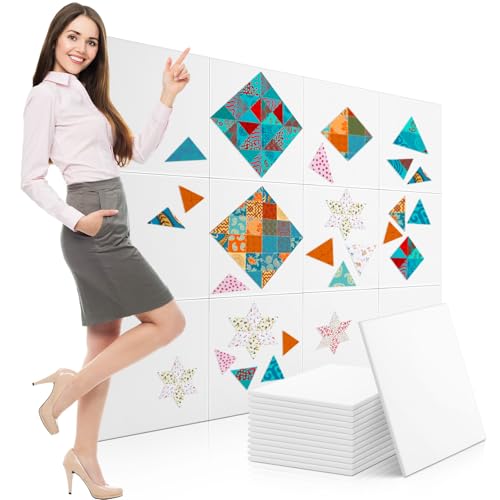
This bundle includes 12 lightweight panels, each 16 by 12 inches, totaling about 8 square feet of wall space. Made from polyester fiber with strong adsorption, they support a variety of fabrics, including canvas, linen, silk, and polyester. Panels can be arranged on a wall or used on tables or stands. The listing notes that if you plan to adhere the boards to a wall, you’ll need double-sided tape. This modular setup is ideal for quilting retreats, classes, and shows where flexible arrangement is beneficial.
Buryeah Gray Quilt Design Wall 72″ X 60″

This Buryeah option mirrors the white design wall in size and purpose but offers a gray aesthetic for projects where a neutral backdrop improves fabric color accuracy and contrast during layout planning. The wall is described as easy to mount with adhesive or tape and supports vertical viewing to improve presentation. It’s suitable for a wide range of fabrics and can support both small and large quilter projects, making it a versatile choice for studios seeking a color-neutral backdrop.
BXI Thick Flannel Quilt Design Wall – 6 Panels

The BXI package provides six panels, each 16 by 12 inches and about 0.5 inches thick, totaling 8 square feet. The panels use felt flannel surfaces designed to hold blocks firmly, accommodating mid-weight fabrics and heavier materials without pins. They can be mounted on a wall or used on tables or stands, making them suitable for studio work, quilting classes, and retreats. The panels are lightweight, portable, and easy to configure into custom shapes or sizes.
DECORITA Quilting Design Wall Panels, 12 Pack

DECORITA offers a 12-pack of ivory felt tiles, each 11.8 inches square, with 48 double-sided acrylic adhesive tabs. The tiles provide a simple, adhesive-based setup for quick layouts and are easily customized to fit large spaces, ideal for quilt blocks or decorative wall displays. Customer tips suggest roughening felt slightly for better fabric grip, and using pins as an option when adhesives aren’t preferred. This system prioritizes ease of installation and modularity for flexible project designs.
Buying Guide: Key Purchase Considerations
Choosing a quilting design wall depends on space, project scale, and workflow preferences. Consider these factors:
- Project Size and Space: Large quilts benefit from single, expansive walls like the 72″ x 60″ Buryeah option, while small to medium projects work well with modular panels (16″ x 12″ or 11.8″ tiles).
- Material and Fabric Compatibility: Polyester-based and flannel surfaces hold most fabrics, including canvas, linen, silk, and heavier materials. Choose a surface that matches your typical fabric weight for consistent grip.
- Mounting Method: Wall adhesive, double-sided tape, or freestanding stands influence placement flexibility. Panels that can be split across multiple panels allow versatile configurations for classrooms and shows.
- Portability and Storage: Lightweight panels are easy to transport for retreats or demos. A modular system can compress into a smaller footprint when not in use.
- Durability and Reusability: Look for durable flannel or fur surfaces that resist thinning from frequent pinning or fabric pressing. Reusable adhesive tabs reduce ongoing costs.
- Aesthetics and Backdrop: Neutral colors (gray or ivory) reduce color distortion when previewing fabrics, while white surfaces offer high contrast for bright fabrics.
- Installation Requirements: Some products require additional accessories (like double-sided tape) for wall mounting—plan for these in your budget and setup time.
- Cost-Effectiveness: Compare per-square-foot coverage, panel counts, and reusability to determine the most economical setup for your typical quilting projects and classroom activities.
Additional Perspectives
For clubs or classrooms, a modular approach—combining several 16″ x 12″ boards—can mirror large wall spaces while keeping transportability in mind. Surface variety (flannel vs. fur) affects fiber grip and fabric compatibility; if you frequently pin, sturdier panels with thicker felt or flannel reduce the risk of fabric slippage. When space is a constraint, adhesive-based tile systems or foldable curtains can offer quick previews without committing to a full wall installation. Finally, blended setups—combining a single large wall with smaller panels—enable both big-picture planning and detailed block testing.