The best clay that turns into metal for jewelry is precious-metal clay designed to be shaped while soft and fired or sintered into a solid metal form. Nitto’s clay is the clearest choice for makers seeking stated 99.9% pure silver; OSK’s starter kit is better for beginners who want tools and instructions, while larger packs suit broader projects. Check each product’s material and firing directions: some listings describe silver-colored clay without confirming its final metal composition.
| Product | Best for | Standout detail |
|---|---|---|
| Nitto Silver Metal Clay, 5g | Fine-silver jewelry | States 99.9% silver after sintering |
| OSK Starter Kit, 10g | Beginners | Tools, DVD, and project guide included |
| Art Clay Silver Paste, 20g | Coating and low-fire projects | Paste format; specifies 650°C/1200°F |
| Art Clay Silver, 7g | Small projects | Compact amount of clay |
| OSK Moldable Metal Clay, 20g | Larger designs | More material for accessories and jewelry |
Nitto Morin Silver Metal Clay
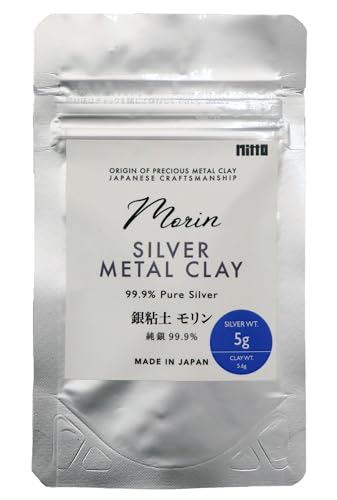
Nitto’s 5g clay is best for jewelry makers who specifically want a product described as becoming 99.9% silver after sintering. The listing says the material combines tiny silver particles with an organic binder that burns away during the process. It can be rolled, cut, molded, or sculpted into pieces such as rings, beads, earrings, pendants, and bracelets.
Why it stands out: The stated final composition makes this a more clearly specified choice than products described only as silver-colored metal clay. The listing gives 5g of silver weight and 5.6g of clay weight.
Consideration: The 5g clay amount is intended for smaller-scale work. Follow the product’s firing instructions; the supplied details do not specify a firing temperature or equipment.
OSK Silver Metal Clay Starter Kit

This 10g set is best for beginners who want a clay product and introductory materials together. According to the listing, the kit includes moldable metal clay, essential tools, an instructional DVD, and a project recipe guide. That bundled format can help new crafters get started without sourcing every basic tool separately.
Why it stands out: Among the listed options, this is the clearest pick for buyers seeking instructions and tools alongside a small quantity of clay. The clay is described as suitable for small jewelry and accessory projects.
Consideration: The listing calls the material silver metal clay but does not provide a specific final silver purity or firing details. Confirm the material and firing requirements before choosing it for a project that requires a particular metal composition.
Art Clay Silver Paste, 20g

This 20g paste is best for makers who want to coat or paint an existing surface rather than shape a conventional lump of clay. The product information describes it for use on organic materials, ceramic, glass, porcelain, and more. It also specifies low-fire projects at 650°C (1200°F), making the stated firing temperature an important selection detail.
Why it stands out: Its paste format offers a different way to apply silver material than the moldable clays in this list. Choose it if your design involves coating or painting a surface.
Consideration: This is paste-type material, so it may not suit projects that require hand-forming a solid clay shape. Check that the intended base material and firing process match the product directions.
Art Clay Silver, 7g

This 7g pack is best for small jewelry designs or makers who want a compact quantity of Art Clay Silver. The listed material is described as fine grains of sterling silver, water, and binder. Its small size can be a practical fit for testing a design or making a limited number of small pieces.
Why it stands out: It provides a distinct option for buyers comparing a smaller clay amount with the 20g products. The listed package dimensions are approximately 4.5 by 3.3 by 0.4 inches.
Consideration: The product details do not state firing temperature, final metal purity, or the number of finished pieces it will make. Those results depend on project size and process, so check the manufacturer’s instructions.
OSK Moldable Metal Clay, 20g

This 20g pack is best for crafters who want more material than a small practice-size portion. The listing describes a soft, moldable texture that can be shaped by hand or with basic craft tools. It identifies pendants, charms, rings, and small handmade accessories as possible project types.
Why it stands out: It offers more clay than the OSK 10g option for buyers planning larger or multiple small designs. Choose this if the project needs extra material and you already know how you plan to shape and fire it.
Consideration: The listing does not specify the final metal purity or firing temperature. Do not assume that “silver metal clay” means 99.9% silver; verify the material details for your intended use.
Buying Guide
Does the clay become solid metal?
Metal clay generally combines metal particles with a binder. The binder is removed during the appropriate firing or sintering process, leaving a metal piece. Confirm that the product is intended for this process and follow its instructions. Epoxy sculpting clay and ordinary self-hardening clay are different materials: they harden but are not described here as converting into metal.
Which format fits the project?
Choose moldable clay for hand-shaped forms such as charms or small jewelry components. Choose paste when the goal is to coat or paint a surface. The Art Clay Silver paste listing specifically describes coating materials and low-fire projects, while the other selected products are presented as moldable clay.
How much clay should you buy?
Compare the listed amounts with the scale of the design. The 5g, 7g, and 10g options are smaller packs; the 20g options provide more material. The amount needed depends on the dimensions and shape of each piece, and the listings do not establish a fixed number of finished items.
What should you verify before purchasing?
Check the stated metal composition, firing temperature, firing method, and required tools. These details vary, and not every product listing supplies them. If a project requires a precise silver purity, select a product that clearly states that composition rather than relying on a silver-colored description.
Frequently Asked Questions
What is clay that turns into metal called?
It is commonly called metal clay or precious-metal clay. It contains metal particles and a binder, which is removed during an appropriate firing or sintering process.
Does every silver metal clay become pure silver?
No. Check the specific product’s stated composition. Nitto’s listing states 99.9% silver after sintering, while some other listings do not specify a final purity.
Can metal clay be used for jewelry?
Yes. The selected moldable products are described for jewelry projects such as rings, pendants, beads, earrings, charms, and accessories.
Is silver clay paste the same as moldable clay?
No. The listed Art Clay Silver paste is intended for coating or painting surfaces, while moldable clay is described for shaping by hand or with tools.
Can regular epoxy sculpting clay turn into metal?
No such conversion is stated for the Seocam epoxy putty. Its listing describes a room-temperature hardening repair and sculpting compound, not metal clay.