Answering buyers who want reliable binders for oil painting, this guide highlights five well-rounded products that improve mixing, drying, and glide while staying true to pigment color. Ideal for students learning medium chemistry, hobbyists refining technique, and professionals seeking staple binders, each option serves a distinct painting style. The table below compares core features to help you pick the right binder for your workflow.
| Product | Best For | Main Benefit | Note |
|---|---|---|---|
| Gamblin Galkyd 8.5 oz. | All-around artists | Speeds drying, adds binder | Oil-based alkyd resin |
| Natural Earth Paints Refined Walnut Oil – 8 oz. | Eco-conscious painters | Non-yellowing, smooth texture | Natural walnut oil |
| Gamblin Stand Linseed Oil 8 Oz | Traditional oil painters | Heavy oil, enamel-like finish | Heat-bodied stand oil |
| Gamblin 8.5 Oz Refined Linseed Oil | Traditional oil painters | Light, pure drying oil | Flaxseed origin |
| Grumbacher Linseed Oil Medium 2-1/2 Oz | Glazing and coloring | Glossy, fluid consistency | Purified alkali-refined linseed oil |
Gamblin Galkyd 8.5 Oz

Best for improving flow and increasing binder content in traditional oil mixes, Gamblin Galkyd is an alkyd resin medium designed to accelerate drying while enhancing the binding properties of oil colors. It is particularly suitable for painters who want brighter color development and faster turnover without sacrificing glaze clarity. This option is ideal for students and professionals who work with thick impasto or layered glazes and need reliable drying times. A potential limitation is that alkyds can alter the traditional oil feel, so use modest amounts to maintain brushwork control.
Natural Earth Paints Refined Walnut Oil
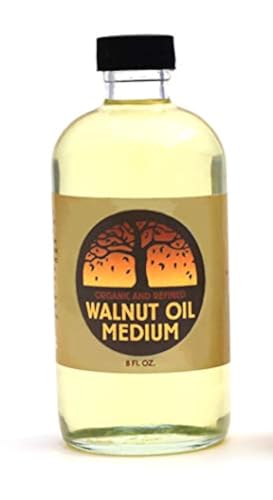
Best for eco-conscious artists seeking a non-yellowing binder with a buttery texture, this refined walnut oil serves as a versatile medium for oil painting. It improves smoothness and extends working time, while maintaining color depth. This option is well-suited for artists prioritizing natural materials, low odor, and archival stability. A caveat is that walnut oil dries slower than standard linseed-based mediums, so plan longer drying periods for complex compositions.
Gamblin Stand Linseed Oil 8 Oz

Best for traditional oil painting setups that favor body and enamel-like finishes, Gamblin Stand Linseed Oil is a heat-bodied, heavy oil that increases glaze clarity and depth. It is a strong choice when a painting requires more body in the paint film, especially in slow-drying environments. The main limitation is faster film formation can require tighter control over brushwork and drying times in humid or warm studios.
Gamblin 8.5 Oz Refined Linseed Oil

Best for traditional mediums, this refined linseed oil is a light, pure drying oil drawn from American flax seeds. It’s suitable for thinning oils, glazing, and combining with pigments to create classic painting mediums. Choose this if you want a predictable, minimal-additive binder that stays close to traditional oil painting chemistry. A limitation is that it dries relatively slowly compared to alkyd-based binders, requiring longer sessions for large works.
Grumbacher Linseed Oil Medium
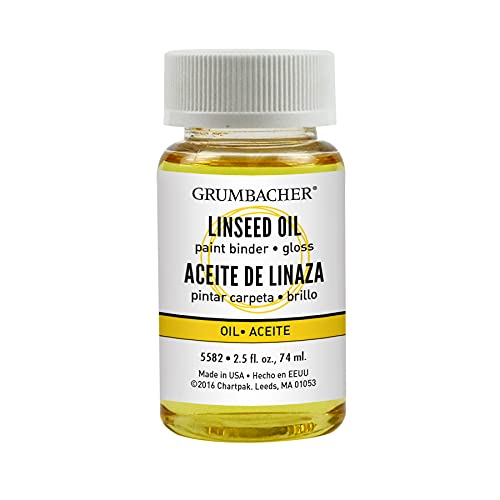
Best for glazing and color mixing, this medium is made from purified alkali-refined linseed oil and can be added directly to oil paints to improve gloss and flow. It also serves as a binder ingredient when powders are mixed to compose custom colors. This option is advantageous for painters who want a dependable, traditional oil binder with straightforward compatibility. It’s best avoided if you need ultra-fast drying times in warm studios.
Buying Guide
What should I consider when choosing an oil painting binder?
Think about drying time, finish, and desired texture. Alkyd-based binders dry faster and often add gloss, while pure linseed and walnut oils preserve traditional painterly qualities and color fidelity. If you glaze heavily or work in layers, a slower-drying binder can be beneficial. For beginners, start with a small amount of a versatile medium like Galkyd or a neutral linseed oil to learn how it affects color and flow.
How does binder type affect painting technique?
Alkyd binders improve drying speed and durability, making work flow more quickly and reducing long studio waiting times. Linseed oil-based binders enhance penetration, yield richer texture, and preserve the warmth of the oil. Walnut oil provides a non-yellowing option with a smoother feel in blends but dries slower. Consider your typical brushwork, glazing, and thick-to-thin transitions when choosing.
What about eco-friendly or non-toxic options?
Natural walnut oil and other plant-based mediums offer eco-friendly profiles with lower odor. They can be preferable for sensitive environments and long painting sessions. However, note that drying times and finish characteristics may differ from traditional linseed or alkyd binders, so plan your schedule accordingly.
How should I store and mix these binders?
Store in a cool, dry place away from direct sunlight. Use clean containers and measure cautiously to avoid over-thinning. When mixing, start with small test blends on a sample swatch to observe drying time, gloss, and color truth before applying to a final work.
Combination strategy: how to blend binders?
Many artists blend a faster-drying alkyd with a traditional oil or a slow-drying oil to tune drying times and surface characteristics. For glazing, a higher proportion of slow-drying oil preserves depth while a touch of alkyd can help capture desired highlights sooner. Always document your ratios for repeatable results.
FAQ
- What binder speeds up drying without compromising color? – Alkyd-based mediums like Galkyd accelerate drying and add binder, making them suitable for faster workflows and thicker applications.
- Which binder is best for eco-friendly painting? – Refined walnut oil from Natural Earth Paints offers an earth-friendly option with non-yellowing properties, though it dries slower than many linseed-based binders.
- Can I mix binders with traditional linseed oil? – Yes. Many artists blend alkyd-based binders with linseed oil to balance drying time and paint film characteristics. Start with small test mixes.
- Which binder is ideal for glazing? – Grumbacher Linseed Oil Medium and refined linseed oil are common choices for glazing due to their gloss and flow, with slower drying times.
- Is stand oil suitable for beginners? – Stand linseed oil adds body and enamel-like finish, which can be challenging for beginners who rely on quick brushwork. Use cautiously.
- What should I avoid when choosing a binder? – Avoid binders that drastically alter drying time or color depth unless your technique specifically requires them. Always test on swatches first.