Looking for a kid-friendly art portfolio that safely stores drawings, paintings, and school projects? This guide highlights five durable options ideal for young artists, classroom use, or home storage. Each choice is evaluated for size, portability, and protection, helping you pick the best fit for different ages and art sizes. The top picks are best for students, hobby artists, teachers organizing classwork, and parents who want easy, portable storage for ongoing creations.
| Product | Size | Pockets / Pages | |
|---|---|---|---|
| CRAFTALENT 11×17 Zip Portfolio (Pink) | 11×17 inches | 13 pockets | Young artists needing portable, zip-close protection |
| Opret 2 Pack 19×25 Art Portfolio Bags | 19×25 inches | Two bags, large capacity | Art on the go, larger works, classroom storage |
| Sooez 9×12 40-Pocket Portfolio | 9×12 inches | 40 top-loading pockets | Showcase many small pieces with easy labeling |
| AIHSUMC 11×17 Art Portfolios (2 Pack) | 11×17 inches | 13 pockets per portfolio | Budget-friendly, for families with multiple kids |
| TreochtFUN 15×18 Art Portfolio Bag | 15×18 inches | Open layout with storage divider | Lightweight, versatile bag for larger projects |
CRAFTALENT 11×17 Zip Portfolio Pink

Best for younger children who need a compact yet protective 11×17 portfolio with a zipper. The Oxford cloth edging and durable PP material create a sturdy carrying option for classroom use and at-home art sessions. The built-in handle aids portability, making it convenient to transport artwork to galleries or school displays. Best for kids who create standard 11×17 or A3-sized pieces and want a light, grab-and-go solution.
Limitations: The zipper closure favors simple closures; very loose contents may shift without a sturdier internal divider. Consider adding an external label or divider if you have multiple art projects in one bag.
Opret 2 Pack 19×25 Inch Art Portfolio Bags

Better for larger works and on-the-go art storage. The 19×25 inch size accommodates bigger posters or bulkier pieces, and the waterproof plastic mesh helps shield artwork from rain and dust. Dual shoulder straps enhance carrying comfort, ideal for students with multiple projects or artists traveling between classrooms and studios.
Caution: The product note specifies that art supplies are not included, and the bag is folded in packaging, which may require gentle unfolding before first use.
Sooez 9×12 40-Pocket Portfolio
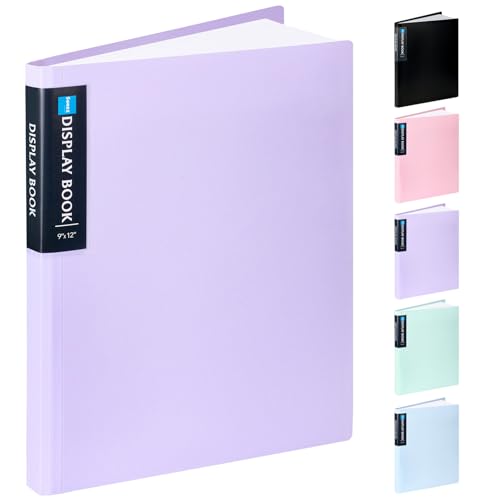
Best for showcasing multiple small artworks with clear visibility. The portfolio includes 40 top-loading sheet protectors that allow presentation of 80 pages of 9×12″ or smaller works. A customizable spine title helps identify contents at a glance, and the binder lies flat when open for easy viewing and filing. Suitable for students and teachers organizing class portfolios or art shows.
Limitations: Smaller size means it’s not ideal for larger drawings, paintings, or framed artwork.
AIHSUMC 11×17 Art Portfolios (2 Pack)

Best for families seeking a pair of portfolios with good protection. The 11×17 size is engineered for A3-sized artwork, with reinforced Oxford cloth edging and durable PP construction to withstand daily use. Handles make transport easy between classroom, home, and exhibitions. Choose this if you want a balanced option with strong durability and value for two portfolios.
Limitation: Designed for 11×17 works; assess available artwork sizes to ensure compatibility with unusually large or irregular formats.
TreochtFUN Art Portfolio Bag 15×18
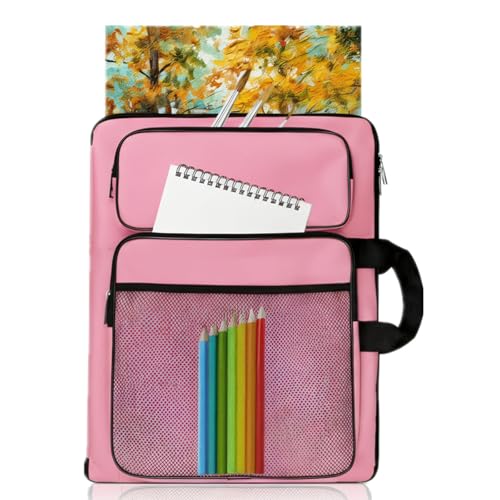
Best for larger, lay-flat projects and a lightweight carry option. This art portfolio bag measures 15×18 inches and features upgraded fabric with reinforced lining and comfortable straps. Its design supports easy organization with a divider, making it suitable for students who work on multi-piece projects or need a temporary studio-to-classroom transport solution.
Limitation: It is a bag rather than a rigid portfolio; fragile or highly delicate works may benefit from additional protective sleeves inside.
Buying Guide: Key Considerations for Choosing Kid Art Portfolios
- Size and compatibility: Match the portfolio to the typical artwork size your child creates (9×12, 11×17, 15×18, or larger).
- Protection level: Look for sturdy materials (Oxford cloth, PP sleeves) and secure closures (zipper or robust flaps) to prevent bending or water damage.
- Portability: Consider handles, shoulder straps, or backpack-style options for school and travel between home and art activities.
- Organization features: Pockets, sheet protectors, or spine labels help categorize artwork by date, project, or subject.
- Durability vs. flexibility: Rigid portfolios are great for flat, delicate pieces, while soft bags are lighter and easier to carry for larger, less-fragile works.
- Quantity: If you have multiple kids or large volumes of art, options with multiple packs or larger capacity can be more cost-efficient and organized.
Frequently Asked Questions
- What size is best for standard school projects?
11×17 inches is a common standard for many schools and makes a good balance between capacity and portability.
- Should I choose a portfolio with pockets or a sleeve-based binder?
Pockets are quicker for displaying multiple pieces; sleeves protect individual works for long-term storage.
- Are fabric portfolios durable for daily classroom use?
Yes, models with Oxford cloth edging and reinforced stitching are designed for repeated handling and transport.
- Is a two-pack portfolio more cost-effective for families?
Two-pack options offer additional copies for siblings or class projects and can be more economical per item stored.
- Can larger bags replace a binder?
Yes for large posters or bulky artworks, but consider a smaller, organized option for daily sketchbooks and smaller pieces.
- What should I label inside a portfolio?
Use a reversible spine label or an external tag to indicate student name, class, date range, and project titles.